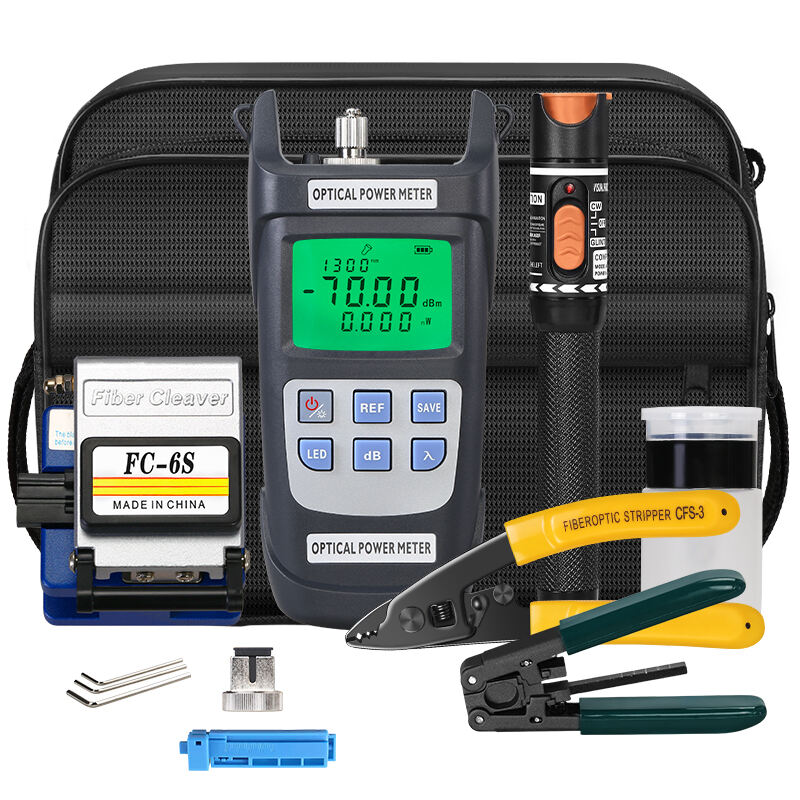
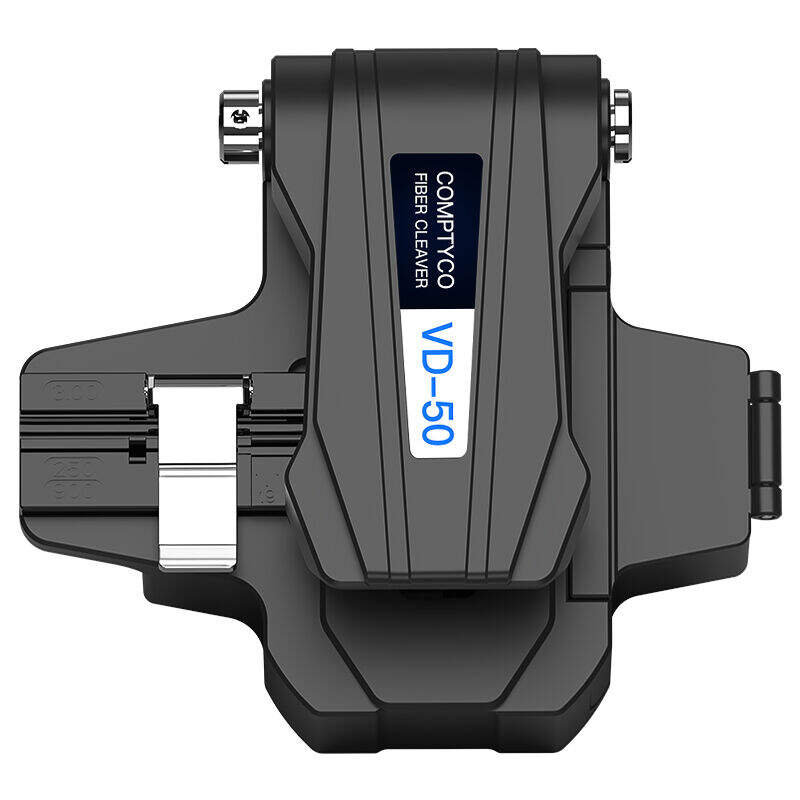
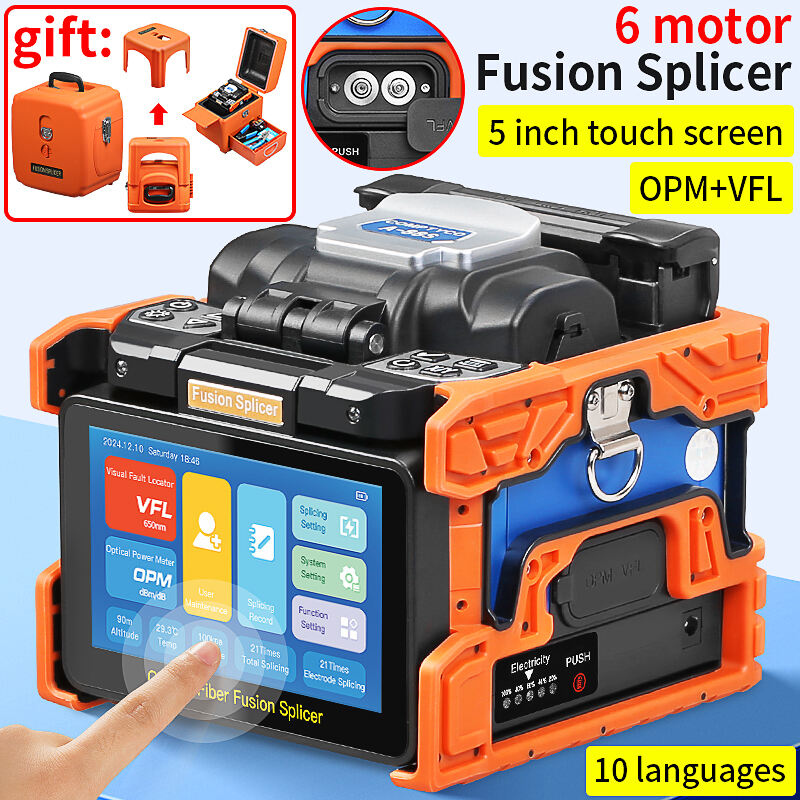
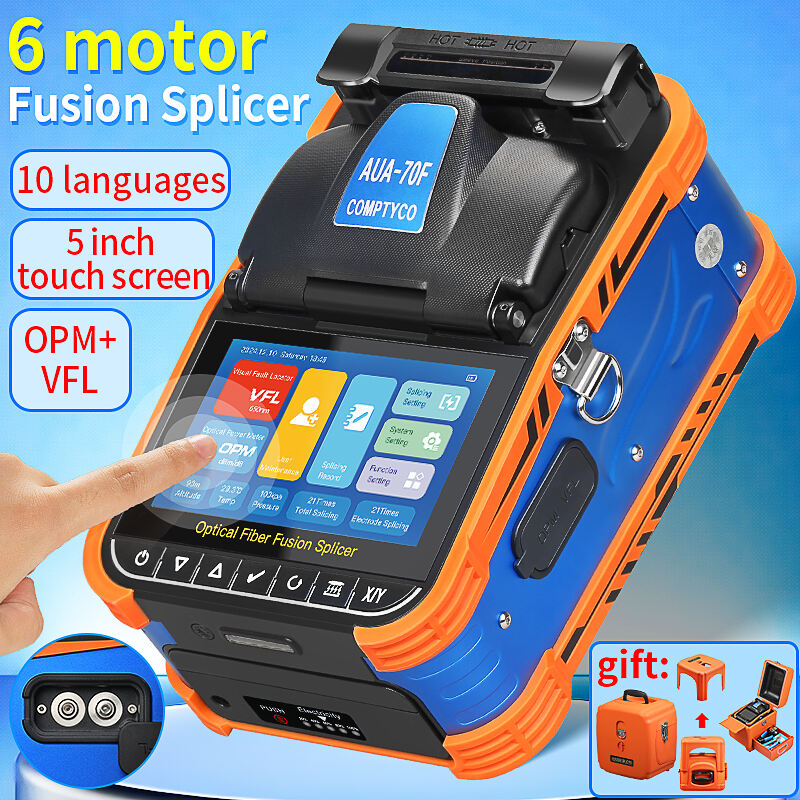
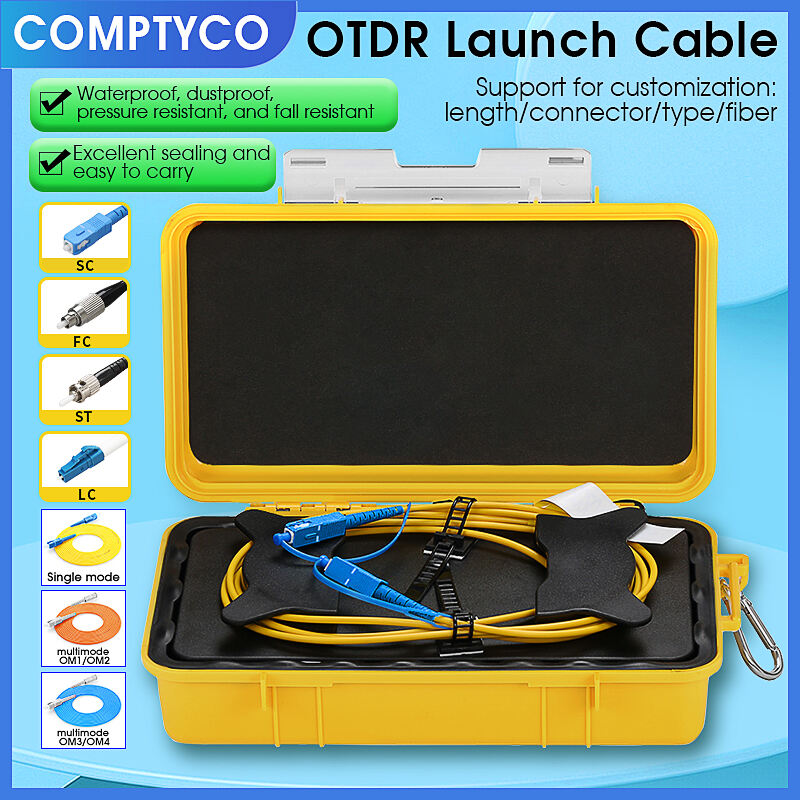
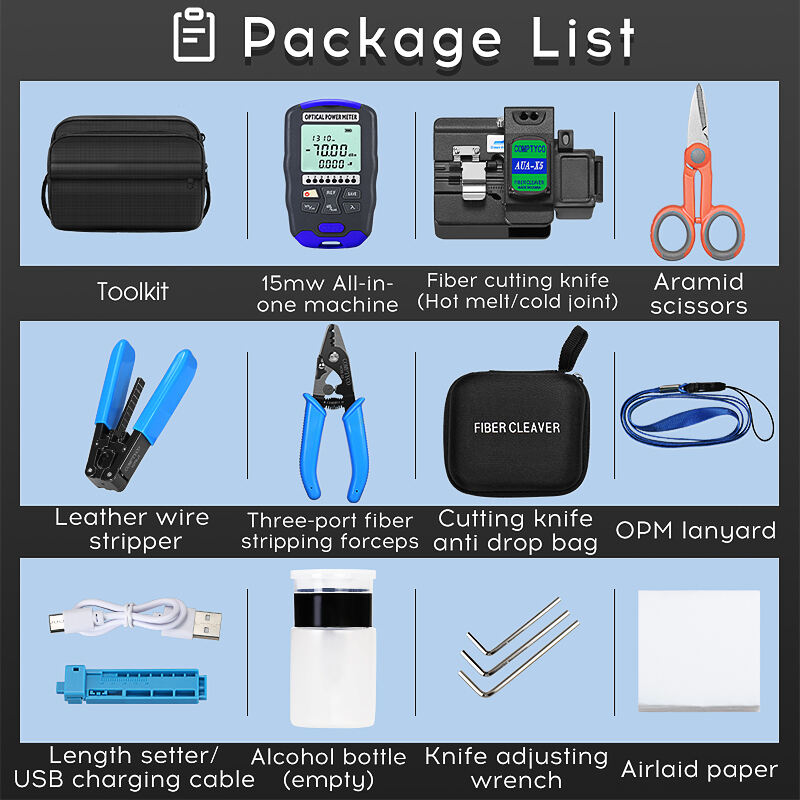
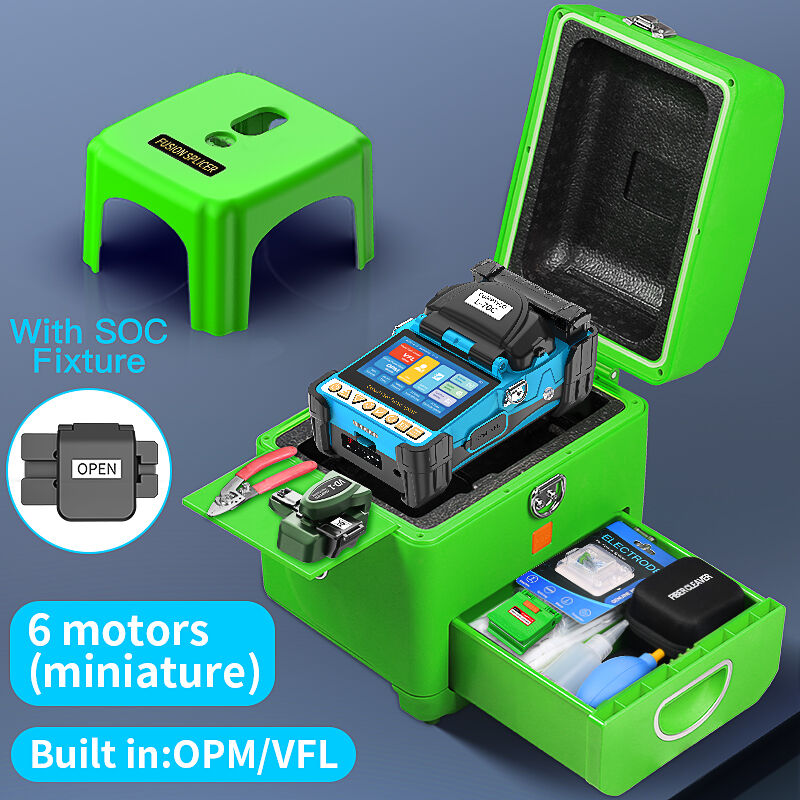
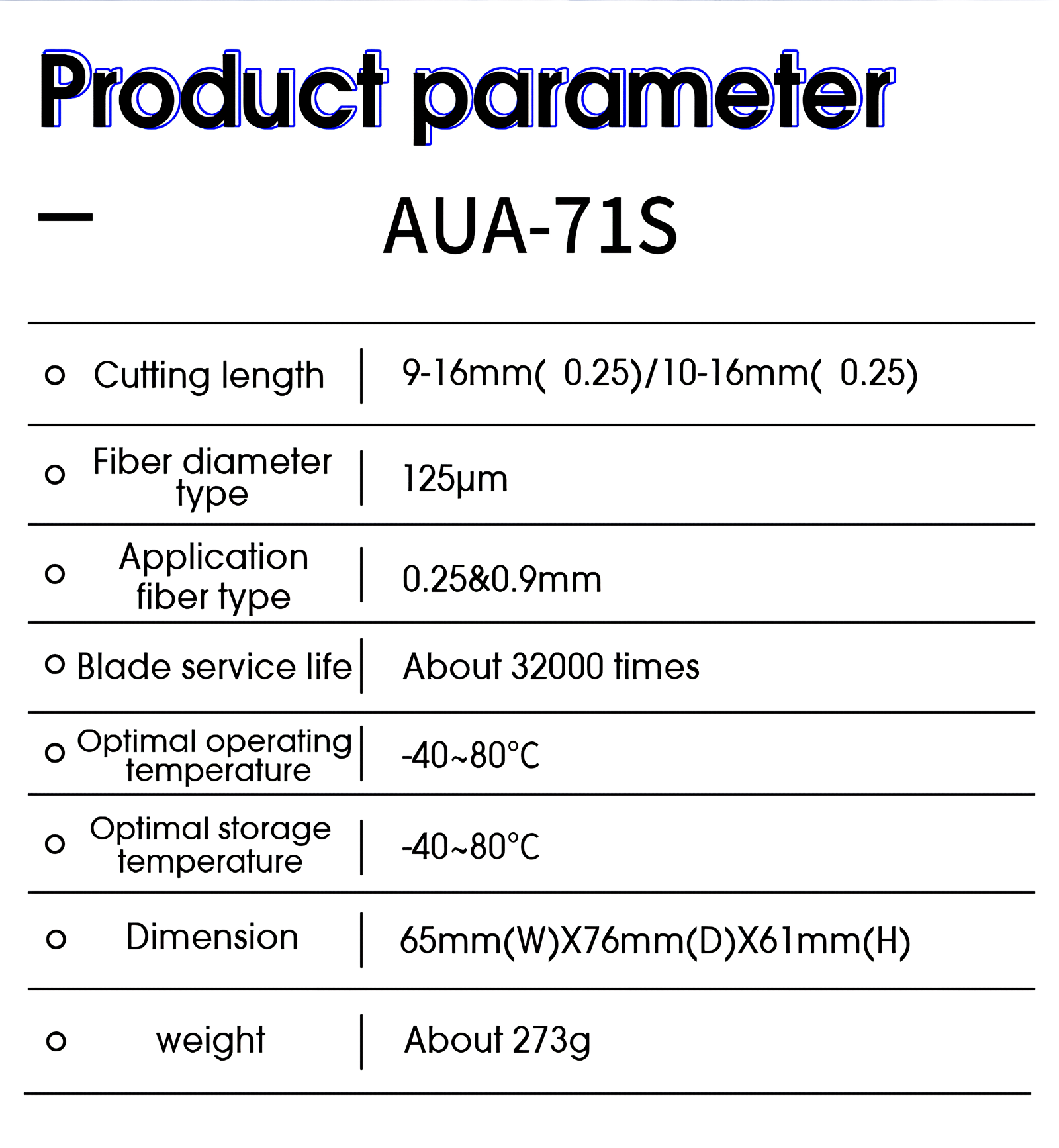
Professional Visible Fault Locator - Advanced Fiber Optic Testing Solutions

All Categories

visible fault locator

A visible fault locator represents an essential diagnostic instrument designed to identify breaks, bends, and connection issues within fiber optic cables through the emission of visible red laser light. This sophisticated testing device operates by transmitting a bright red laser beam directly into optical fibers, allowing technicians to visually trace the light path and quickly pinpoint problem areas where signal transmission may be compromised. The visible fault locator serves as a fundamental tool for fiber optic network maintenance, installation verification, and troubleshooting procedures across telecommunications, data centers, and enterprise networking environments. Modern visible fault locators typically feature adjustable power output settings, enabling users to select appropriate laser intensity levels based on fiber types and testing requirements. These instruments incorporate safety mechanisms including automatic shut-off features and power indicators to ensure operator protection during extended testing sessions. The technology behind visible fault locators relies on laser diodes that produce coherent light at wavelengths around 650 nanometers, creating the characteristic red glow that makes fault detection possible through visual inspection. Professional-grade visible fault locators offer multiple connector compatibility options, supporting various fiber optic connector types including SC, LC, ST, and FC interfaces. Advanced models include additional features such as continuous wave and pulsed output modes, battery level indicators, and rugged housing designs suitable for field deployment. The portability of these devices makes them invaluable for on-site troubleshooting where quick fault identification can significantly reduce network downtime and maintenance costs. Integration capabilities allow visible fault locators to complement other fiber testing equipment, creating comprehensive testing solutions for complex network installations and routine maintenance protocols.


New Products

The visible fault locator delivers immediate visual confirmation of fiber continuity and fault locations, eliminating guesswork and reducing diagnostic time from hours to minutes. Unlike traditional testing methods that require complex interpretation of electronic readings, the visible fault locator provides instant visual feedback that any technician can easily understand and act upon. This straightforward approach significantly reduces training requirements and enables faster problem resolution across diverse technical skill levels. Cost-effectiveness represents another major advantage, as the visible fault locator offers exceptional value compared to expensive optical time domain reflectometers while handling the majority of common fiber optic troubleshooting scenarios. The device eliminates the need for costly service calls by empowering in-house technical teams to quickly identify and resolve connectivity issues without external assistance. Battery-powered operation ensures complete independence from external power sources, making the visible fault locator ideal for remote installations and emergency repairs where power availability may be limited. The lightweight, portable design allows technicians to carry the device easily during field work, reducing equipment burden while maintaining full diagnostic capabilities. Versatility stands as a key strength, with modern visible fault locators supporting multiple fiber types including single-mode and multimode configurations across various connector interfaces. This universal compatibility eliminates the need for multiple specialized tools, streamlining equipment inventory and reducing overall testing costs. The visible fault locator excels in scenarios where traditional testing equipment proves impractical, such as tight spaces, overhead installations, and areas with limited access to complex testing apparatus. Real-time fault detection capabilities enable technicians to observe signal transmission issues as they occur, facilitating dynamic troubleshooting and system optimization procedures. Safety features built into quality visible fault locators protect both operators and fiber optic equipment from damage, ensuring reliable long-term performance and reducing replacement costs. The simplicity of operation means reduced margin for human error during testing procedures, leading to more accurate diagnostics and improved overall network reliability.

Latest News

Fiber Cleaver Selection Guide: Achieving Clean and Accurate Fiber Cuts

26

Jan

Fiber Cleaver Selection Guide: Achieving Clean and Accurate Fiber Cuts

In fiber optic splicing and termination, the quality of the fiber end face is paramount. A clean, perpendicular cleave is the foundation for low-loss connections, directly impacting network performance and reliability. Choosing the right fiber cleave...
View More
What to Look for When Choosing an Industrial-Grade Fusion Splicer?

26

Mar

What to Look for When Choosing an Industrial-Grade Fusion Splicer?

Selecting the right industrial-grade fusion splicer requires careful evaluation of multiple technical specifications and operational factors that directly impact splice quality, field efficiency, and long-term reliability. Industrial environments dem...
View More
The Role of a Robust Fusion Splicer in 5G Network Deployment.

26

Mar

The Role of a Robust Fusion Splicer in 5G Network Deployment.

The deployment of 5G networks represents one of the most significant technological transformations in telecommunications history, demanding unprecedented precision in fiber optic connectivity. At the heart of this infrastructure revolution lies a cri...
View More
Choosing the Right OTDR for Your Network Maintenance and Troubleshooting.

26

Mar

Choosing the Right OTDR for Your Network Maintenance and Troubleshooting.

Selecting the appropriate OTDR for your network infrastructure requires understanding your specific maintenance requirements, network complexity, and troubleshooting objectives. The decision impacts everything from fault detection accuracy to operati...
View More

Get a Free Quote

Our representative will contact you soon.
Email
Name
Company Name
Message
0/1000

visible fault locator

Instant Visual Fault Detection Technology

Instant Visual Fault Detection Technology

The visible fault locator revolutionizes fiber optic troubleshooting through its innovative instant visual detection capability, transforming complex network diagnostics into a straightforward visual process that anyone can master. This breakthrough technology employs precisely calibrated laser diodes that emit bright red light at optimal wavelengths, creating a visible glow that travels through fiber optic cables and clearly illuminates problem areas where signal degradation occurs. When fiber breaks, excessive bends, or poor connections interrupt the light path, the visible fault locator immediately reveals these issues through bright red light emanating from the fault location, eliminating the need for time-consuming signal analysis or complex equipment interpretation. The instant feedback mechanism enables technicians to trace fiber paths visually, verify connections in real-time, and identify multiple fault points simultaneously during a single testing session. This visual approach proves particularly valuable in dense cable environments where traditional testing methods struggle to isolate specific problem fibers among hundreds of parallel connections. The technology works effectively across various installation scenarios, from simple point-to-point connections to complex multi-fiber trunk cables, providing consistent visual confirmation regardless of network complexity. Advanced visible fault locators incorporate adjustable power settings that optimize light intensity for different fiber types and lengths, ensuring maximum visibility while maintaining safety standards and preventing equipment damage. The visual detection system operates independently of network protocols or signal formats, making it universally compatible with any fiber optic installation regardless of the data transmission standards employed. This versatility extends the useful life of the visible fault locator across multiple technology generations and network upgrades, providing excellent long-term value for organizations investing in fiber optic infrastructure maintenance capabilities.
Universal Connector Compatibility System

Universal Connector Compatibility System

The comprehensive universal connector compatibility system built into modern visible fault locators eliminates compatibility concerns and equipment limitations that traditionally plague fiber optic testing procedures. This advanced compatibility framework supports all major fiber optic connector types including SC, LC, ST, FC, MU, and proprietary connector configurations, ensuring seamless integration with existing network infrastructure without requiring additional adapters or specialized equipment. The universal system incorporates precision-engineered connector interfaces that maintain optimal optical coupling efficiency across different connector geometries, guaranteeing consistent light transmission and accurate fault detection regardless of the specific connector type encountered in field applications. Professional-grade visible fault locators feature interchangeable connector tips that allow rapid switching between different fiber types and connector standards during testing procedures, eliminating downtime associated with equipment changes and enabling continuous workflow efficiency. The compatibility system extends beyond basic connector support to include comprehensive fiber type compatibility, supporting both single-mode and multimode fiber configurations across standard core diameters including 9/125, 50/125, and 62.5/125 micron specifications. This broad compatibility ensures that technicians can rely on a single visible fault locator for diverse testing scenarios without concerns about equipment limitations or performance degradation. Advanced models incorporate intelligent connector recognition systems that automatically adjust power output and pulse characteristics based on detected fiber types, optimizing performance while preventing accidental damage to sensitive fiber optic components. The universal compatibility approach significantly reduces equipment inventory requirements, as organizations can standardize on fewer testing tools while maintaining comprehensive diagnostic capabilities across their entire fiber optic infrastructure. Quality assurance protocols ensure that connector interfaces maintain precise alignment tolerances and consistent performance characteristics throughout extended use periods, providing reliable long-term service in demanding field environments where equipment durability directly impacts operational efficiency and maintenance costs.
Enhanced Safety and User Protection Features

Enhanced Safety and User Protection Features

Comprehensive safety and user protection features integrated into professional visible fault locators ensure operator well-being and equipment longevity while maintaining optimal diagnostic performance across all testing scenarios. These advanced safety systems incorporate multiple layers of protection including automatic laser shut-off mechanisms that activate after predetermined exposure periods, preventing accidental extended exposure and ensuring compliance with international laser safety standards. Built-in power monitoring systems continuously track laser output levels and provide visual indicators when power levels approach safety thresholds, enabling proactive safety management during extended testing sessions. The safety framework includes specialized optical filters and beam shaping technologies that optimize light distribution while minimizing potential hazards associated with direct laser exposure, creating a safer working environment for technicians performing routine maintenance procedures. Advanced models feature intelligent safety interlocks that automatically disable laser output when connector interfaces are not properly seated, preventing accidental exposure and ensuring consistent safety protocols regardless of operator experience levels. Ergonomic design considerations reduce physical strain during extended use periods, incorporating comfortable grip surfaces and balanced weight distribution that minimize hand fatigue and improve overall user experience during lengthy troubleshooting sessions. Environmental protection systems shield internal components from dust, moisture, and temperature extremes commonly encountered in field environments, ensuring reliable performance and extended operational life even under challenging conditions. Battery management systems incorporate multiple safety features including overcharge protection, thermal monitoring, and low-voltage cutoffs that prevent battery damage and potential safety hazards associated with lithium-ion power sources. User interface elements include clear safety warnings, intuitive control layouts, and color-coded indicators that promote safe operation practices while reducing the likelihood of operational errors that could compromise safety or testing accuracy. Professional visible fault locators undergo rigorous safety certification processes including compliance testing for international standards such as IEC 60825 laser safety requirements, ensuring reliable protection for operators working in diverse geographical regions with varying safety regulations and workplace requirements.
Professional Visible Fault Locator - Advanced Fiber Optic Testing Solutions Professional Visible Fault Locator - Advanced Fiber Optic Testing Solutions Professional Visible Fault Locator - Advanced Fiber Optic Testing Solutions Professional Visible Fault Locator - Advanced Fiber Optic Testing Solutions
Professional Visible Fault Locator - Advanced Fiber Optic Testing Solutions