vfl visual fault locator
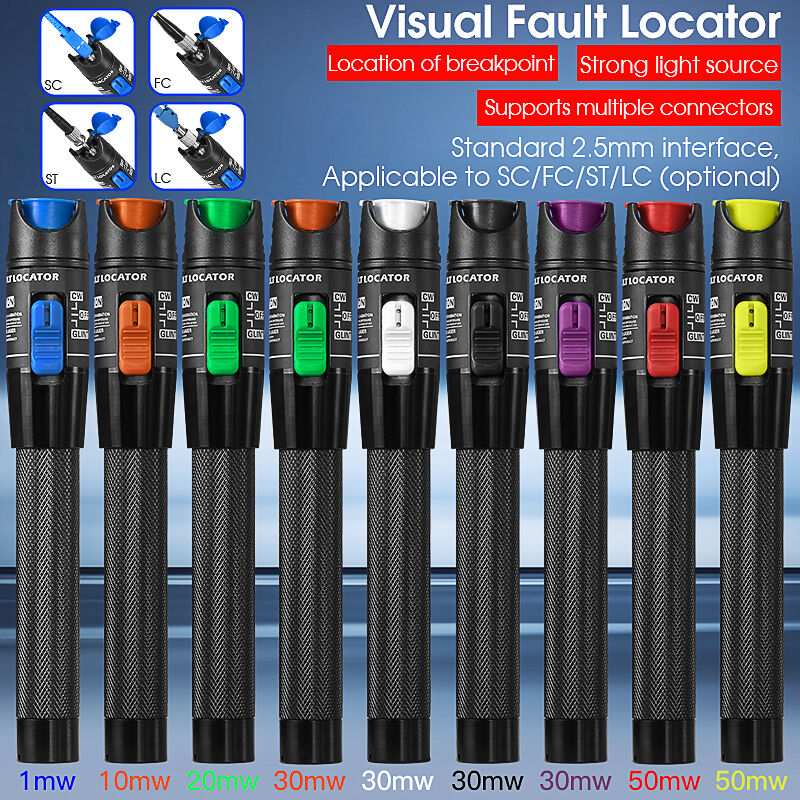
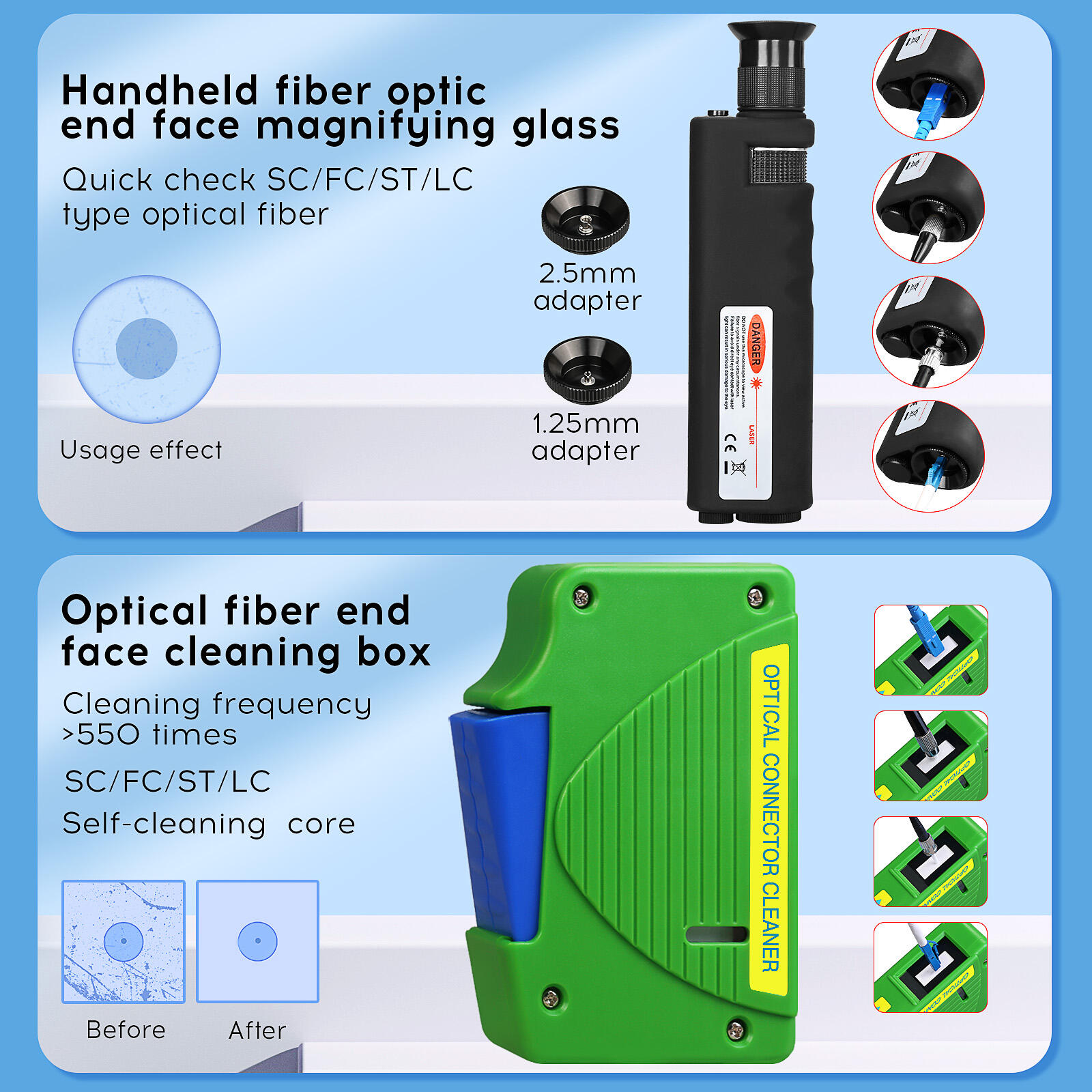
The VFL visual fault locator represents a revolutionary advancement in fiber optic network troubleshooting technology, designed to streamline the identification and resolution of connectivity issues within optical fiber systems. This sophisticated diagnostic instrument utilizes high-intensity laser light sources to illuminate fiber optic cables, enabling technicians to visually detect breaks, bends, and other physical impairments that compromise signal transmission quality. The VFL visual fault locator operates by injecting visible red laser light directly into the fiber core, creating a bright illumination that becomes visible through the cable jacket at points where the fiber experiences damage or excessive stress. Modern VFL visual fault locator units incorporate advanced laser diode technology that generates consistent, powerful light output while maintaining safety standards for operator protection. The device features multiple power output levels, allowing users to adjust intensity based on specific testing requirements and cable characteristics. Contemporary VFL visual fault locator models include both continuous wave and pulsed light modes, with the pulsed function providing enhanced visibility in bright ambient lighting conditions. The technological architecture of the VFL visual fault locator encompasses precision optical components, including collimating lenses and beam shaping elements that ensure optimal light coupling efficiency into various fiber types. These units support both single-mode and multimode fiber applications, accommodating standard connector interfaces such as FC, SC, ST, and LC configurations. The VFL visual fault locator proves invaluable across telecommunications infrastructure maintenance, data center operations, enterprise network management, and fiber-to-the-home installations. Installation technicians rely on the VFL visual fault locator during cable routing verification, ensuring proper fiber placement and identifying potential stress points before network activation. The instrument excels in troubleshooting scenarios where traditional optical power meters and reflectometers may prove insufficient for rapid fault identification, particularly when dealing with macro-bend losses and visible fiber damage.

 EN
EN