visual fiber optic fault locator
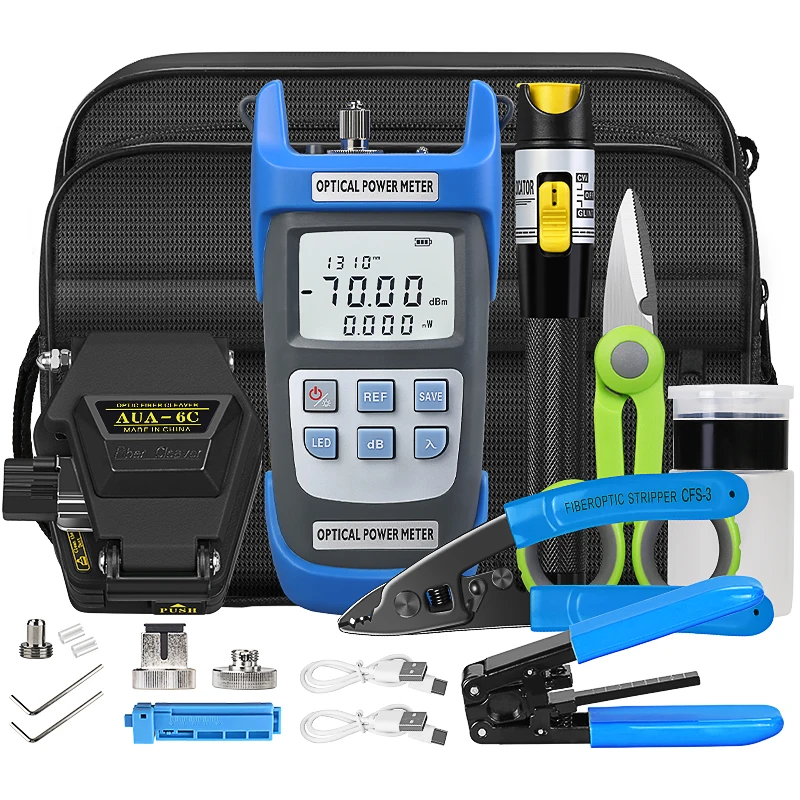
A visual fiber optic fault locator serves as an essential diagnostic instrument that enables technicians to identify and pinpoint problems within fiber optic networks efficiently. This sophisticated device operates by transmitting visible light through optical fibers, allowing operators to visually trace the path of light and detect breaks, bends, or other discontinuities that may disrupt signal transmission. The visual fiber optic fault locator represents a critical advancement in network maintenance technology, providing immediate visual confirmation of fiber integrity and fault locations. Modern visual fiber optic fault locators incorporate laser diode technology that produces bright, visible red light typically operating at wavelengths of 650 nanometers. This specific wavelength choice ensures optimal visibility while maintaining safety standards for operator use. The device connects directly to fiber optic cables through standard connectors, injecting light into the core and enabling real-time observation of light transmission patterns. When light encounters a fault such as a break or sharp bend, it escapes from the fiber core, creating a visible glow that precisely indicates the problem location. The technological features of these instruments include adjustable output power levels, multiple connector compatibility, and battery-powered portability for field operations. Advanced models incorporate continuous wave and modulated output modes, allowing technicians to differentiate between multiple fibers in dense installations. The visual fiber optic fault locator proves invaluable across numerous applications including telecommunications infrastructure maintenance, data center operations, security system installations, and industrial network deployments. Installation teams rely on these devices during initial fiber routing to verify proper connections and identify installation errors before system activation. Maintenance personnel use them for rapid troubleshooting when network performance degrades or complete signal loss occurs. The device's ability to provide immediate visual feedback significantly reduces diagnostic time compared to traditional testing methods that require complex measurements and calculations.

 EN
EN