
 EN
EN

The telecommunications industry continues to evolve rapidly, demanding increasingly sophisticated equipment for fiber optic network installation and maintenance. Professional technicians and network engineers require reliable tools that deliver precise splicing results while maintaining operational efficiency across diverse field conditions. Modern fusion splicing technology has advanced significantly, offering enhanced automation features, improved splice quality metrics, and streamlined workflow capabilities that directly impact project timelines and installation costs.
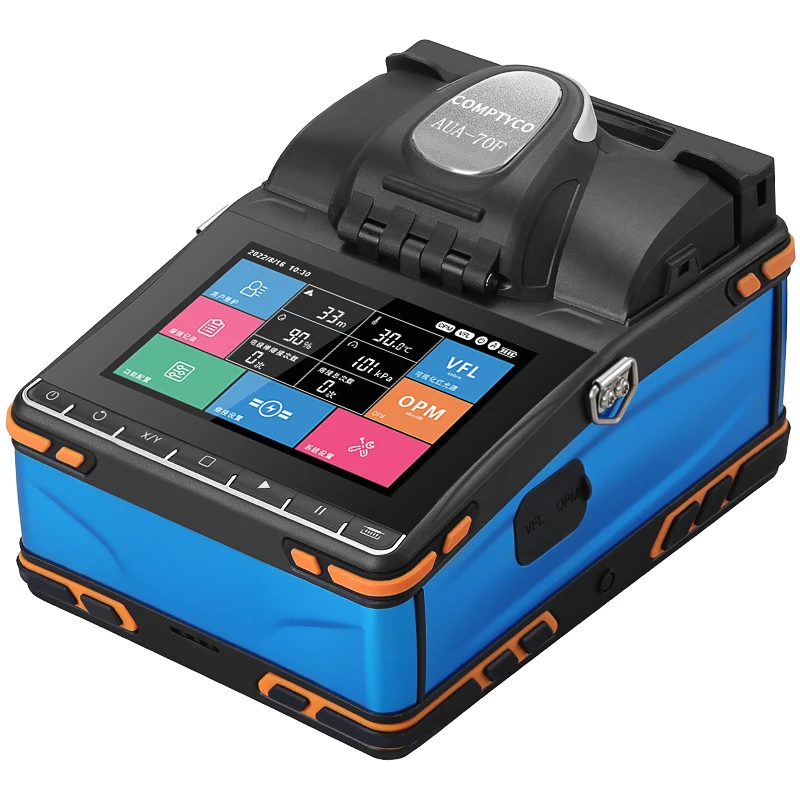
Selecting the optimal splicing equipment requires careful consideration of multiple technical specifications, operational requirements, and budget constraints. Industry professionals must evaluate factors including splice loss performance, heating time efficiency, environmental durability ratings, and maintenance requirements when making purchasing decisions. Understanding these critical parameters ensures maximum return on investment while supporting long-term operational reliability in demanding field environments.
Essential Technical Specifications for Professional Applications
Splice Loss Performance Standards
Professional-grade equipment must consistently achieve splice loss values below 0.02 dB for single-mode applications and 0.01 dB for multimode configurations. These stringent performance requirements ensure network signal integrity across extended fiber runs while minimizing cumulative loss effects in complex network architectures. Advanced arc calibration systems automatically adjust fusion parameters based on fiber type recognition, delivering consistent results regardless of manufacturer specifications or environmental conditions.
Modern splicing systems incorporate sophisticated loss estimation algorithms that provide real-time feedback during the fusion process. These predictive capabilities allow technicians to identify potential issues before completion, reducing rework requirements and improving overall installation quality. High-resolution imaging systems enable precise fiber alignment verification, ensuring optimal core-to-core positioning throughout the fusion cycle.
Heating and Cycle Time Optimization
Operational efficiency directly correlates with heating time performance and overall cycle duration from fiber preparation through splice protection application. Leading manufacturers have reduced typical heating times to under 30 seconds while maintaining consistent protection sleeve shrinkage quality. These improvements significantly impact daily productivity rates, particularly in high-volume installation environments where time savings translate directly to cost reduction.
Advanced heating chamber designs utilize precisely controlled airflow patterns and temperature distribution systems to ensure uniform protection sleeve processing. Intelligent heating algorithms automatically adjust parameters based on sleeve type and environmental conditions, eliminating guesswork and reducing the potential for inadequate protection or overheating damage.
Advanced Features and Automation Capabilities
Intelligent Fiber Recognition Systems
Contemporary fusion splicer models incorporate sophisticated fiber identification technology that automatically recognizes fiber types, core diameters, and manufacturer specifications without manual input. This automation eliminates human error while ensuring optimal fusion parameters for each specific fiber combination. Advanced pattern recognition algorithms analyze fiber geometry and optical properties to determine appropriate splicing protocols automatically.
Machine learning capabilities enable these systems to continuously improve recognition accuracy based on historical splice data and performance outcomes. This adaptive functionality becomes particularly valuable when working with specialized or non-standard fiber types that may require unique fusion parameters for optimal results.
Environmental Adaptation Technology
Professional installation environments often present challenging conditions including temperature variations, humidity fluctuations, and atmospheric pressure changes that can significantly impact splice quality. Modern equipment incorporates environmental compensation algorithms that automatically adjust arc power, duration, and positioning parameters based on real-time atmospheric readings.
Ruggedized housing designs protect sensitive optical and electronic components while maintaining operational accuracy across extended temperature ranges. Anti-vibration mounting systems ensure stable operation in mobile installation vehicles or temporary field locations where mechanical stability may be compromised.
Productivity Enhancement Features
Workflow Integration Capabilities
Contemporary splicing equipment offers comprehensive connectivity options including WiFi, Bluetooth, and cellular communication capabilities that enable seamless integration with project management systems and documentation platforms. Real-time data transmission allows supervisors to monitor installation progress, quality metrics, and technician productivity from remote locations.
Cloud-based data storage ensures splice records, quality measurements, and equipment performance logs remain accessible across multiple devices and locations. This centralized approach simplifies compliance reporting, warranty documentation, and performance analysis while reducing administrative overhead typically associated with manual record-keeping processes.
Battery Performance and Power Management
Extended field operations require reliable power systems capable of supporting full-day installation activities without external charging opportunities. Leading manufacturers now provide high-capacity lithium battery systems delivering 200-300 splice cycles per charge while maintaining consistent performance throughout the discharge cycle.
Intelligent power management systems optimize energy consumption by automatically reducing non-essential functions during low-battery conditions while preserving critical splicing capabilities. Fast-charging technology enables rapid battery replenishment during brief work breaks, minimizing downtime and maintaining installation schedule adherence.
Quality Assurance and Testing Integration
Built-in OTDR Functionality
Integrated optical time-domain reflectometer capabilities eliminate the need for separate testing equipment while providing comprehensive splice verification immediately following completion. This real-time quality assessment enables immediate rework when necessary, reducing costly return visits and ensuring consistent network performance standards.
Advanced OTDR algorithms automatically identify splice locations, measure insertion loss values, and generate detailed test reports that comply with industry documentation standards. Automated pass/fail criteria eliminate subjective quality assessments while ensuring consistent adherence to project specifications.
Comprehensive Documentation Systems
Professional installations require detailed documentation for warranty compliance, maintenance scheduling, and network troubleshooting purposes. Modern fusion splicer systems automatically capture splice images, loss measurements, environmental conditions, and technician identification data for each completed connection.
Customizable report templates accommodate various customer requirements and industry standards while maintaining consistent formatting and data presentation. Automated report generation eliminates manual documentation errors while ensuring complete record-keeping compliance across all project phases.
Cost Analysis and Return on Investment
Total Cost of Ownership Considerations
Initial equipment purchase price represents only one component of comprehensive ownership costs that must include consumable expenses, maintenance requirements, training costs, and productivity impacts over the equipment lifecycle. Professional-grade systems typically demonstrate superior long-term value through reduced maintenance frequency, extended electrode life, and improved splice consistency that minimizes rework expenses.
Electrode replacement intervals directly impact operational costs, with premium systems often achieving 3000-4000 splice cycles between replacements compared to 2000 cycles for basic models. This extended electrode life translates to significant cost savings in high-volume installation environments while reducing inventory management requirements.
Productivity Impact Assessment
Operational efficiency improvements achieved through advanced automation, reduced cycle times, and integrated testing capabilities often justify premium equipment pricing through increased daily splice counts and reduced labor costs. Comprehensive productivity analysis should include setup time reduction, splice cycle optimization, and integrated documentation benefits.
Training time reduction represents another significant cost factor, as intuitive user interfaces and automated operation modes enable faster technician certification and reduced supervision requirements. These operational benefits become particularly valuable when expanding installation teams or entering new market segments.
Maintenance and Service Considerations
Preventive Maintenance Requirements
Consistent equipment performance depends on adherence to manufacturer-specified maintenance schedules that typically include electrode inspection, optical system cleaning, and calibration verification procedures. Advanced diagnostic systems provide automated maintenance reminders and performance monitoring that identifies potential issues before they impact splice quality.
Self-diagnostic capabilities continuously monitor critical system parameters including arc stability, fiber positioning accuracy, and heating chamber performance. These proactive monitoring systems alert technicians to developing issues that could affect splice quality or equipment reliability if left unaddressed.
Technical Support and Training Resources
Comprehensive manufacturer support includes initial equipment training, ongoing technical assistance, and access to updated software and calibration procedures. Effective support programs provide multiple communication channels including phone support, remote diagnostic capabilities, and on-site service options for complex technical issues.
Regular software updates ensure compatibility with new fiber types, enhanced automation features, and improved user interface functionality. Manufacturers offering lifetime software support typically provide superior long-term value compared to those with limited update policies or subscription-based software models.
FAQ
What splice loss performance should I expect from professional fusion splicer equipment
Professional-grade fusion splicer models consistently achieve splice loss values below 0.02 dB for single-mode applications and 0.01 dB for multimode configurations under optimal conditions. Advanced systems with automated fiber recognition and environmental compensation can maintain these performance levels across varying field conditions while providing real-time loss estimation during the splicing process.
How many splices can I complete per battery charge with modern equipment
Contemporary high-capacity battery systems typically support 200-300 splice cycles per full charge, depending on heating requirements, environmental conditions, and equipment configuration. Fast-charging capabilities enable rapid battery replenishment during work breaks, with most systems reaching 80% capacity within 30-45 minutes of charging time.
What environmental conditions can fusion splicer equipment withstand during field operations
Professional-grade equipment operates reliably across temperature ranges from -10°C to +50°C with humidity tolerance up to 95% non-condensing. Ruggedized housing designs protect internal components from dust, moisture, and mechanical shock while maintaining splice accuracy and optical system alignment under challenging field conditions.
How frequently do electrodes require replacement in typical installation environments
Electrode replacement intervals vary significantly based on equipment quality and usage patterns, with premium systems achieving 3000-4000 splice cycles between replacements compared to 2000 cycles for basic models. Regular electrode inspection and proper cleaning procedures can extend service life while maintaining consistent arc quality and splice performance throughout the replacement interval.
Table of Contents
- Essential Technical Specifications for Professional Applications
- Advanced Features and Automation Capabilities
- Productivity Enhancement Features
- Quality Assurance and Testing Integration
- Cost Analysis and Return on Investment
- Maintenance and Service Considerations
-
FAQ
- What splice loss performance should I expect from professional fusion splicer equipment
- How many splices can I complete per battery charge with modern equipment
- What environmental conditions can fusion splicer equipment withstand during field operations
- How frequently do electrodes require replacement in typical installation environments