
 EN
EN
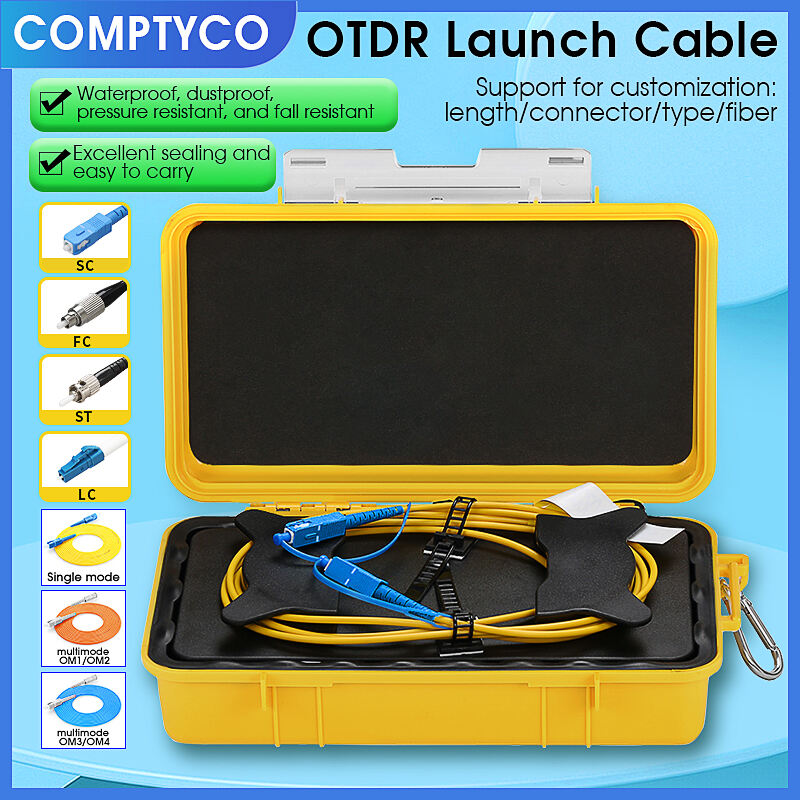
Selecting the appropriate OTDR for your network infrastructure requires understanding your specific maintenance requirements, network complexity, and troubleshooting objectives. The decision impacts everything from fault detection accuracy to operational efficiency, making it crucial to evaluate each OTDR's capabilities against your actual field conditions and technical specifications.
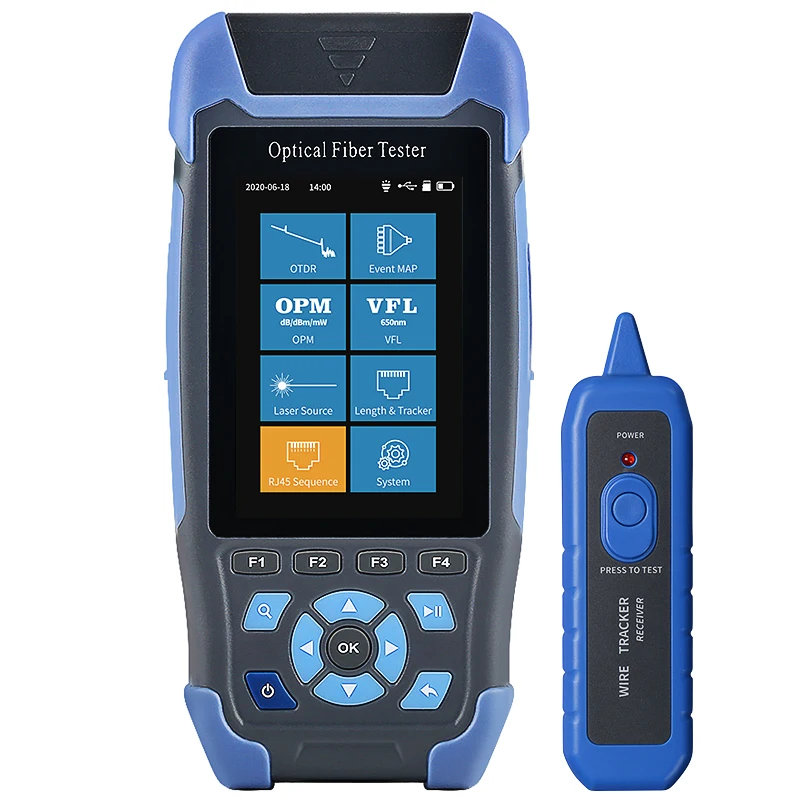
Network professionals face numerous challenges when maintaining fiber optic systems, from identifying splice losses to locating cable breaks across extensive infrastructures. An OTDR serves as the primary diagnostic tool for these tasks, but choosing the wrong model can lead to missed faults, inaccurate measurements, and costly network downtime that affects business operations and service quality.
Understanding OTDR Performance Parameters for Network Applications
Dynamic Range Requirements for Different Network Types
The dynamic range of an OTDR determines its ability to detect faults and measure losses across long fiber spans. For metropolitan networks spanning 20-40 kilometers, an OTDR with 35-40 dB dynamic range typically provides sufficient performance for comprehensive troubleshooting. Enterprise networks with shorter distances may operate effectively with 30-35 dB range, while long-haul networks require 40+ dB capability to maintain measurement accuracy.
Dynamic range directly affects the maximum distance an OTDR can analyze and the minimum loss it can detect. Higher dynamic range enables detection of smaller reflective events and provides better resolution in noisy environments. Network technicians must match this parameter to their longest fiber spans to ensure complete network visibility during maintenance operations.
The relationship between dynamic range and pulse width also influences measurement quality. Wider pulse widths increase dynamic range but reduce resolution, creating a trade-off that affects fault location accuracy. Understanding this balance helps in selecting an otdr that matches specific network testing requirements without compromising measurement precision.
Wavelength Considerations for Multi-Mode and Single-Mode Networks
Single-mode networks typically require OTDR testing at both 1310nm and 1550nm wavelengths to identify wavelength-dependent losses and ensure comprehensive fault analysis. The 1310nm wavelength provides better resolution for shorter distances and splice analysis, while 1550nm offers superior performance for long-distance measurements and overall link characterization in single-mode applications.
Multi-mode networks commonly use 850nm and 1300nm wavelengths, with 850nm being standard for shorter distances and 1300nm for longer multi-mode spans. The choice between these wavelengths affects measurement accuracy and fault detection capability, particularly when dealing with bend losses and connector problems that may appear differently at various wavelengths.
Dual-wavelength OTDR capability becomes essential for networks carrying multiple services or using wavelength division multiplexing. This functionality allows technicians to perform comprehensive testing without changing equipment, improving efficiency during maintenance windows and ensuring consistent measurement standards across different network segments.
Resolution Specifications and Their Impact on Fault Detection
Dead zone specifications significantly impact an OTDR's ability to measure closely spaced events such as connector pairs or splice enclosures. Event dead zone typically ranges from 0.5 to 5 meters, while attenuation dead zone can extend from 2 to 20 meters depending on the OTDR design and pulse width settings used during testing.
Sampling resolution determines the minimum distance between measurable points along the fiber trace. Higher sampling resolution improves fault location accuracy but increases measurement time and data storage requirements. For routine maintenance, 0.08-0.16 meter resolution provides adequate precision, while specialized troubleshooting may require finer resolution capabilities.
The relationship between pulse width and resolution creates operational considerations for different testing scenarios. Short pulse widths provide better resolution but reduce dynamic range, making them suitable for short-distance detailed analysis. Longer pulse widths sacrifice resolution for extended reach, making them appropriate for initial fault location in long-distance networks.
Evaluating Operational Features for Field Maintenance Efficiency
Battery Life and Portability Requirements
Field maintenance operations demand OTDR units with sufficient battery capacity to complete full testing cycles without interruption. Modern OTDR devices typically provide 8-12 hours of continuous operation, but actual battery life depends on display brightness, measurement frequency, and environmental conditions encountered during field work.
Weight and size considerations become critical for technicians working in confined spaces, aerial installations, or extensive underground networks. Compact OTDR designs weighing less than 2 kilograms offer better portability without sacrificing essential measurement capabilities, improving technician productivity during extended maintenance sessions.
Environmental ratings ensure OTDR reliability in harsh conditions including temperature extremes, humidity, and mechanical shock. IP54 or higher ratings provide adequate protection for most field environments, while specialized applications may require more robust environmental specifications to maintain measurement accuracy and equipment longevity.
Data Management and Documentation Capabilities
Comprehensive data storage allows technicians to maintain historical records of network performance and track degradation trends over time. OTDR units with expandable memory or cloud connectivity enable long-term data retention and analysis, supporting proactive maintenance strategies and network optimization efforts.
Report generation capabilities streamline documentation requirements for maintenance activities and regulatory compliance. Automated report formats reduce administrative overhead while ensuring consistent documentation standards across different technicians and maintenance teams working on the same network infrastructure.
Integration with network management systems enhances operational efficiency by enabling automatic upload of test results and maintenance records. This connectivity supports centralized tracking of network health and facilitates coordination between field maintenance teams and network operations centers.
User Interface and Measurement Automation Features
Intuitive user interfaces reduce training requirements and minimize measurement errors during field operations. Touch screen displays with clear trace visualization help technicians quickly identify fault locations and assess fiber condition without extensive manual interpretation of complex measurement data.
Automated measurement modes optimize OTDR settings based on fiber type and expected distance, reducing setup time and ensuring consistent measurement quality across different technicians. These features particularly benefit organizations with varying skill levels among maintenance personnel or high technician turnover rates.
Pass/fail analysis capabilities enable rapid assessment of fiber condition against predefined standards, supporting efficient maintenance workflows and consistent quality control. Automated threshold comparison reduces interpretation variability and helps identify networks requiring immediate attention versus routine monitoring.
Matching OTDR Capabilities to Specific Network Maintenance Scenarios
Routine Maintenance and Preventive Testing Requirements
Preventive maintenance programs require OTDR capabilities that support rapid network assessment and trend analysis over time. Basic measurement accuracy and consistent baseline establishment become more important than maximum dynamic range or specialized features, making mid-range OTDR units suitable for most routine maintenance applications.
Scheduled maintenance windows often limit testing time, making measurement speed and automated analysis essential for comprehensive network coverage. OTDR units with fast trace acquisition and automatic event detection help maximize network coverage during limited maintenance windows while maintaining measurement quality and documentation requirements.
Comparative analysis capabilities enable identification of gradual network degradation by comparing current measurements against historical baselines. This functionality supports proactive maintenance strategies and helps prioritize repair activities based on actual network condition rather than arbitrary schedules or reactive fault response.
Emergency Troubleshooting and Fault Location Scenarios
Emergency fault location demands OTDR units with maximum dynamic range and resolution to quickly identify fault locations in compromised networks. High-performance OTDR capabilities become essential when network redundancy is reduced and rapid fault isolation directly impacts service restoration times and customer satisfaction.
Fault location accuracy requirements vary based on network topology and access infrastructure. Urban networks with frequent access points may tolerate 5-10 meter location accuracy, while rural or submarine networks require sub-meter precision to minimize excavation or recovery costs during repair operations.
Multi-wavelength testing capabilities help distinguish between wavelength-specific issues and physical fiber damage during emergency response. This diagnostic capability reduces troubleshooting time and ensures appropriate repair strategies, particularly in networks using wavelength division multiplexing or carrying multiple service types.
Network Installation and Acceptance Testing Applications
New network installations require comprehensive OTDR testing to verify compliance with design specifications and establish baseline performance records. Installation testing typically demands higher measurement accuracy and more detailed documentation than routine maintenance, influencing OTDR selection toward units with enhanced measurement capabilities and reporting features.
Acceptance testing protocols often specify particular measurement standards and documentation requirements that affect OTDR selection. Compliance with industry standards such as IEC 61746 or TIA-526-7 may require specific OTDR capabilities or calibration certifications that influence equipment selection and procurement decisions.
Bi-directional testing capabilities become important for comprehensive network characterization during installation acceptance. This testing approach identifies directional losses and ensures accurate loss budgets, particularly important for networks with tight loss margins or specialized applications requiring precise performance verification.
Cost-Benefit Analysis for OTDR Selection
Initial Investment Versus Long-Term Operational Benefits
OTDR acquisition costs must be evaluated against long-term operational benefits including reduced troubleshooting time, improved network reliability, and decreased maintenance costs. Higher-capability units may justify their premium through faster fault resolution and more accurate preventive maintenance, reducing total cost of network ownership over time.
Training and certification costs associated with different OTDR platforms affect total implementation expenses beyond initial equipment purchase. Standardizing on specific OTDR families can reduce training requirements and improve technician proficiency, while diverse equipment types may increase operational complexity and training overhead.
Calibration and maintenance costs for OTDR equipment vary significantly based on manufacturer support policies and local service availability. These ongoing expenses should be factored into total cost calculations, particularly for organizations operating in remote locations or requiring specialized calibration services.
Scalability and Future Network Growth Considerations
Network expansion plans influence OTDR selection by determining whether current capabilities will remain adequate as network scope and complexity increase. Investing in higher-performance units may provide better long-term value when network growth is expected to exceed current OTDR capabilities within typical equipment lifecycles.
Technology evolution in fiber optic networks affects OTDR relevance over time, with factors such as increased fiber counts, longer distances, and new fiber types potentially requiring enhanced capabilities. Selecting OTDR units with upgrade potential or modular capabilities helps maintain relevance as network technology advances.
Standardization across multiple network sites reduces complexity and improves operational efficiency through common training, spare parts inventory, and maintenance procedures. This standardization benefit may justify premium pricing for OTDR units that provide consistent capabilities across diverse network environments and operational requirements.
Return on Investment Through Improved Network Reliability
Accurate fault detection and rapid troubleshooting directly impact network availability and service quality, creating measurable returns through reduced downtime costs and improved customer satisfaction. OTDR capabilities that enable faster fault resolution can justify higher acquisition costs through quantifiable improvements in network reliability metrics.
Preventive maintenance enabled by comprehensive OTDR testing helps avoid catastrophic failures and their associated costs including emergency repair expenses, service credits, and reputation damage. The ability to identify and address gradual network degradation before service impact provides substantial long-term value.
Documentation and trend analysis capabilities support regulatory compliance and insurance requirements while providing data for network optimization and capacity planning decisions. These secondary benefits contribute to OTDR value beyond direct maintenance applications and should be considered in investment analysis.
FAQ
What minimum dynamic range should an OTDR have for enterprise network maintenance?
For typical enterprise networks spanning 5-15 kilometers, an OTDR with 30-35 dB dynamic range provides adequate performance for routine maintenance and troubleshooting. This range enables detection of common faults including connector losses, splice problems, and fiber breaks while maintaining reasonable measurement times and equipment costs.
How important is dual-wavelength capability for network troubleshooting?
Dual-wavelength OTDR capability is essential for comprehensive single-mode network analysis, as different wavelengths can reveal wavelength-dependent losses and provide more complete fault characterization. This capability becomes particularly important for networks using wavelength division multiplexing or when troubleshooting bend-sensitive losses that may not appear at all wavelengths.
What factors determine the required measurement resolution for an OTDR?
Required OTDR resolution depends on network topology and fault location accuracy requirements. Networks with closely spaced events such as patch panels or splice enclosures need finer resolution capabilities, while long-distance networks may prioritize dynamic range over resolution. Most maintenance applications are adequately served by 0.08-0.16 meter sampling resolution.
How does OTDR battery life affect field maintenance operations?
Battery life directly impacts field productivity and measurement completion rates during maintenance activities. Units providing 8-12 hours of continuous operation enable completion of full testing cycles without interruption, while shorter battery life may require backup power sources or limit testing scope during extended maintenance sessions in remote locations.