high quality vfl
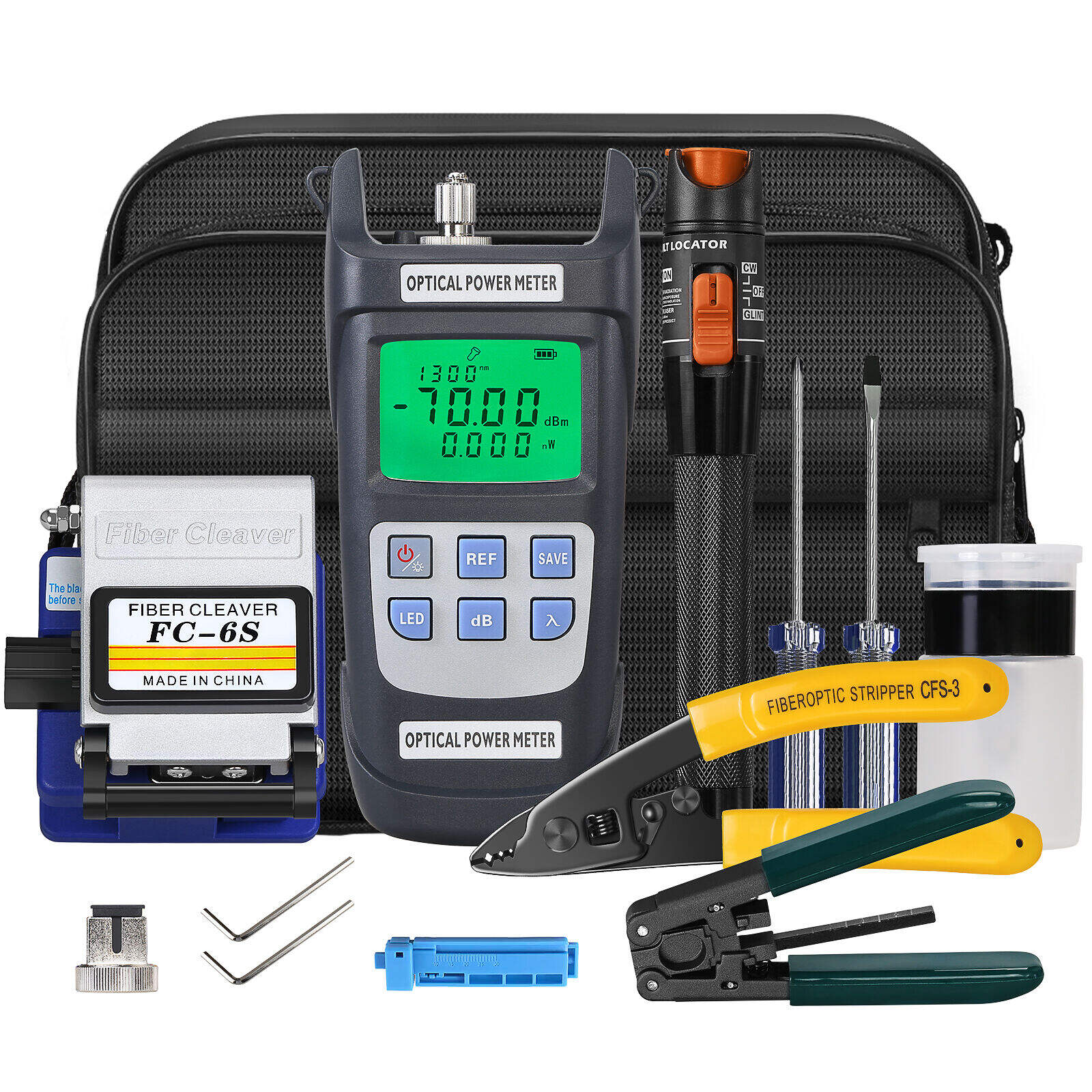
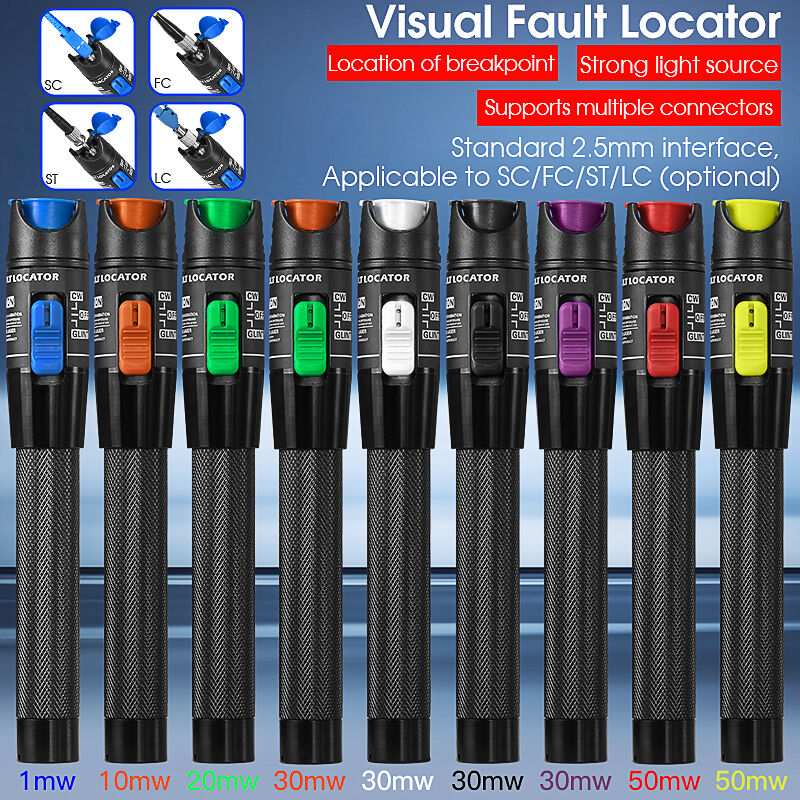
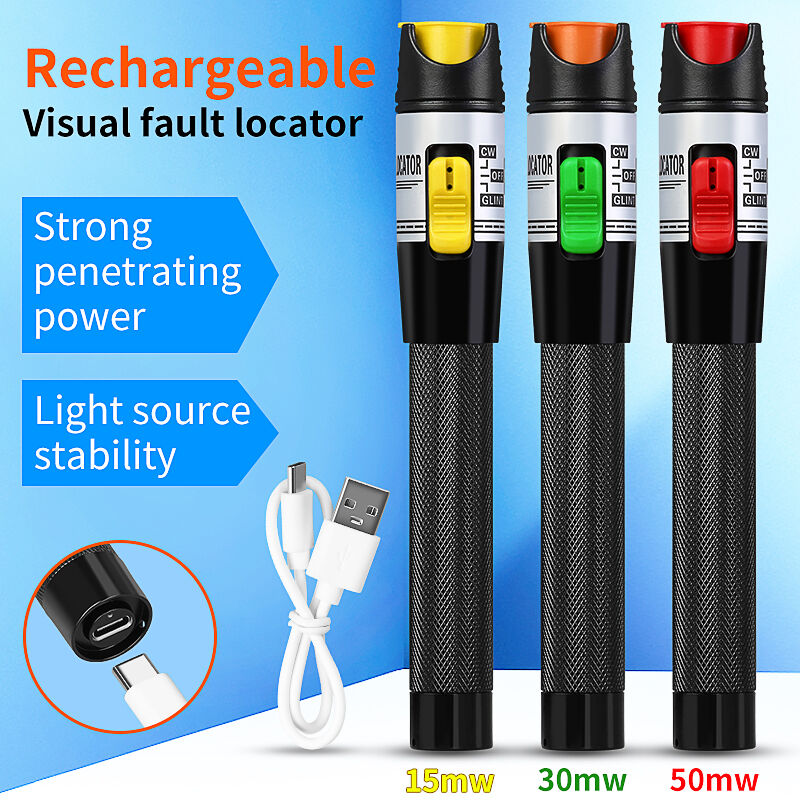
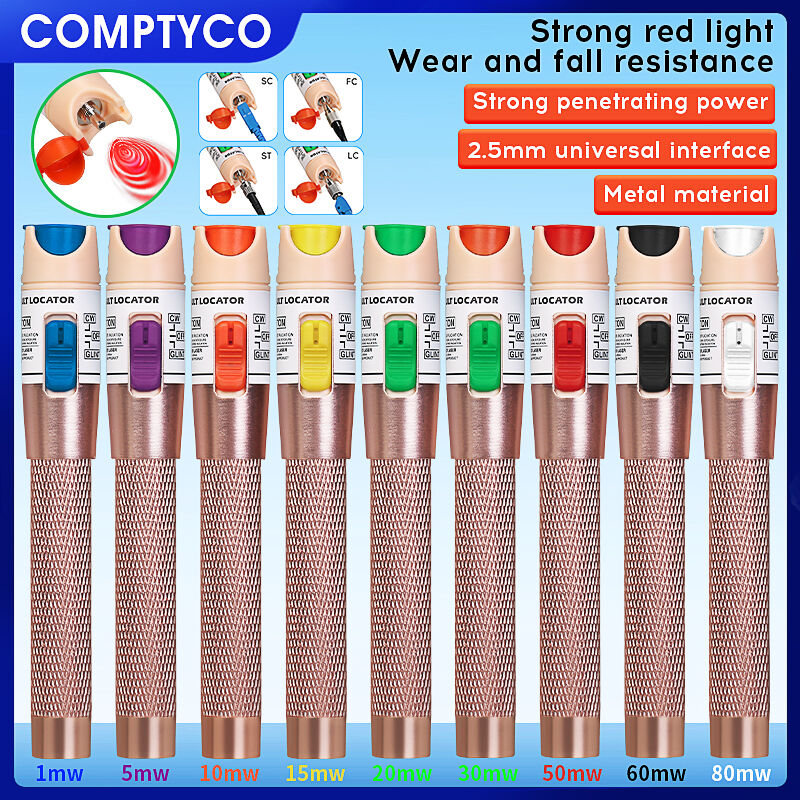
A high quality VFL (Visual Fault Locator) represents cutting-edge fiber optic testing technology designed to identify breaks, bends, and connection issues in optical fiber networks. This sophisticated diagnostic instrument utilizes visible laser light, typically red at 650nm wavelength, to illuminate fiber optic cables and pinpoint fault locations with remarkable precision. The high quality VFL serves as an indispensable tool for telecommunications technicians, network installers, and maintenance professionals who require reliable fault detection capabilities. Modern high quality VFL devices incorporate advanced laser diode technology that generates consistent, powerful light output suitable for testing both single-mode and multimode fiber optic cables. The device operates by injecting visible light into the fiber core, allowing technicians to visually trace the light path and identify discontinuities where light escapes due to breaks, sharp bends, or poor connections. Contemporary high quality VFL units feature adjustable output power settings, enabling users to customize the light intensity based on specific testing requirements and safety considerations. These instruments typically offer both continuous wave and modulated output modes, with the modulated option providing easier identification of the light source when multiple fibers are being tested simultaneously. The high quality VFL construction emphasizes durability and portability, featuring ruggedized housings that withstand harsh field conditions while maintaining precise optical performance. Battery-powered operation ensures field mobility, with extended operational time and convenient charging options. The technological sophistication of a high quality VFL extends to its user interface, incorporating intuitive controls, clear power indicators, and ergonomic design elements that facilitate efficient operation in various working environments. Applications span across telecommunications infrastructure deployment, data center installations, campus network maintenance, and industrial automation systems where fiber optic reliability is critical.

 EN
EN