visual fault locator for fiber
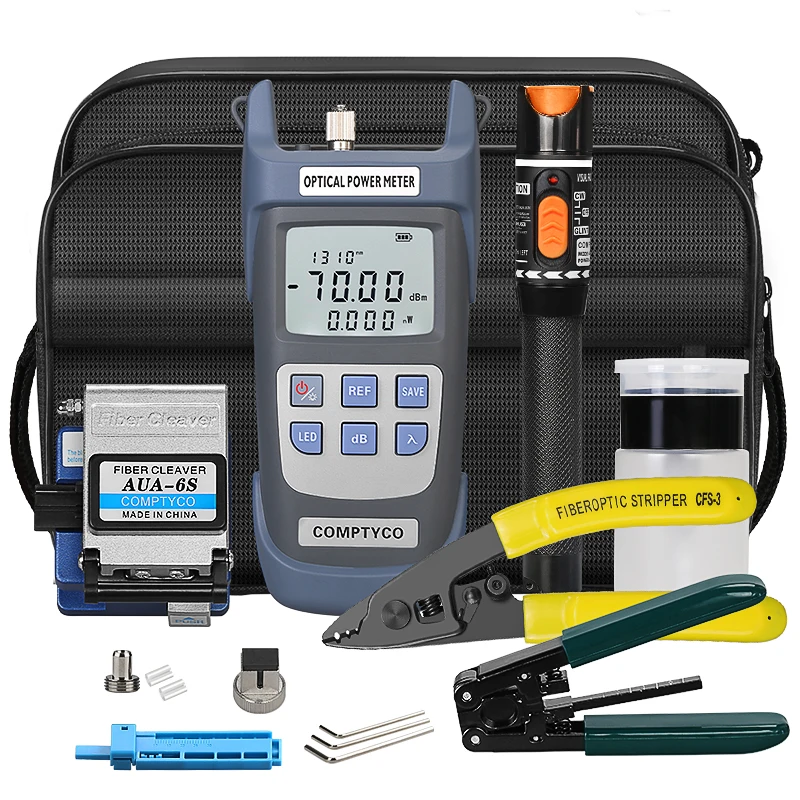
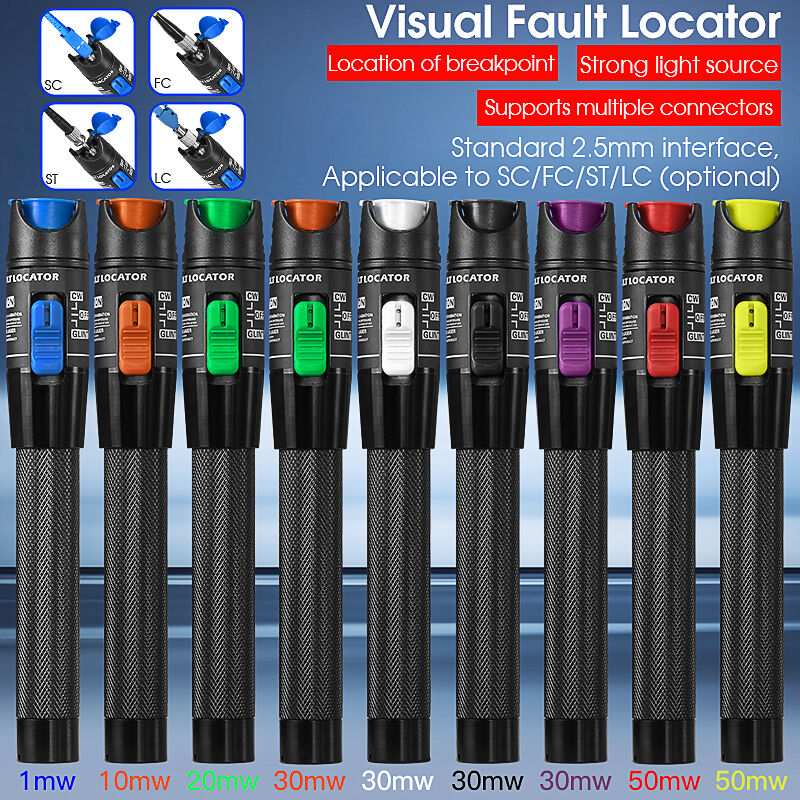
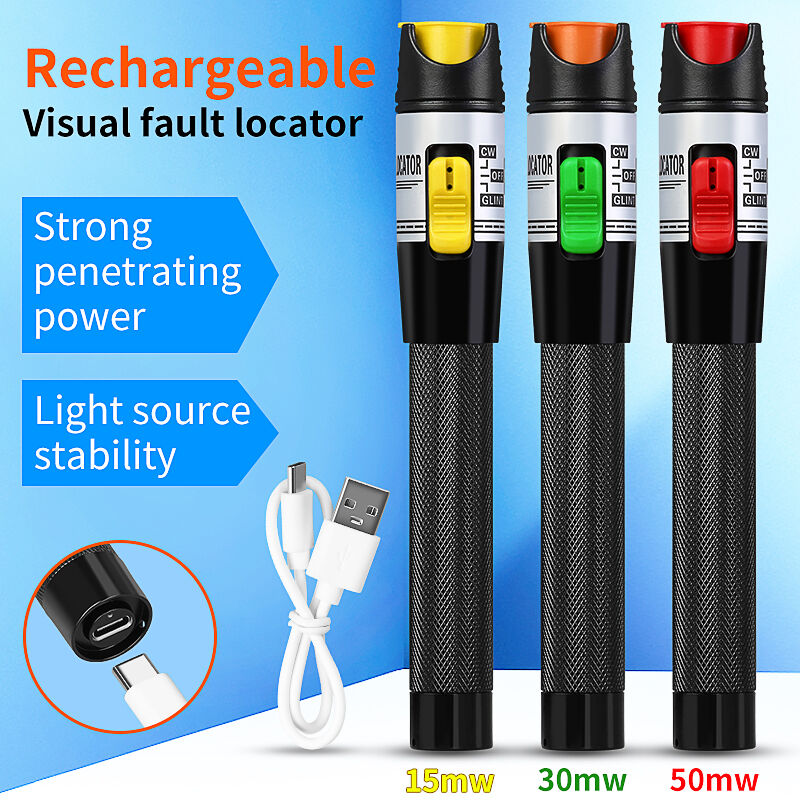
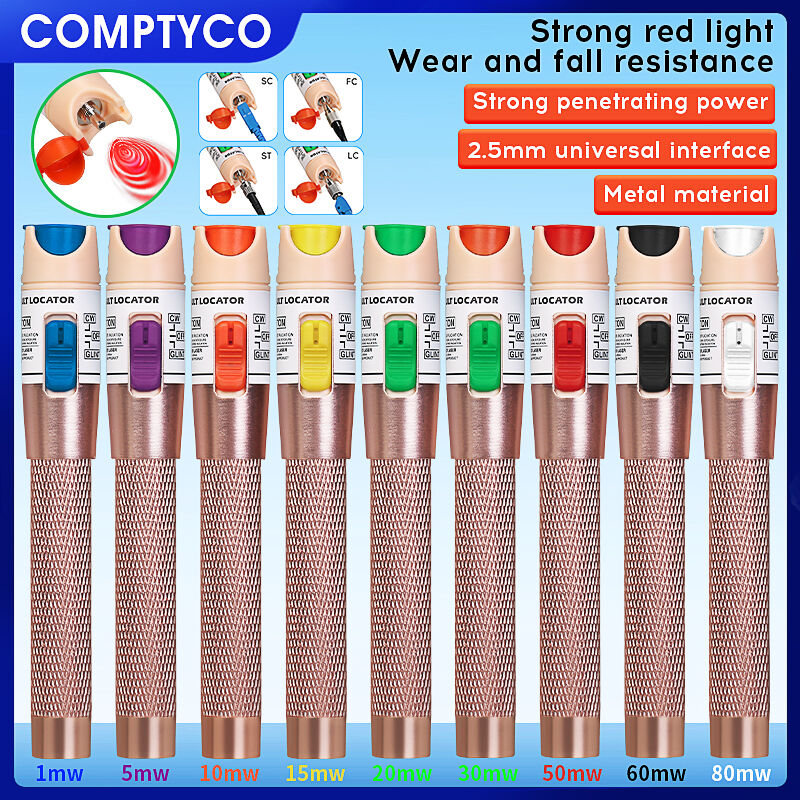
A visual fault locator for fiber is an essential diagnostic instrument designed to identify breaks, bends, and faults in optical fiber cables through visible light transmission. This compact testing device operates by emitting a bright red laser light, typically at 650nm wavelength, directly into fiber optic cables to pinpoint problem areas quickly and efficiently. The visual fault locator for fiber serves as a frontline troubleshooting tool for network technicians, telecommunications engineers, and fiber optic installers who need immediate fault detection capabilities. The device functions by launching continuous or pulsed visible light through single-mode and multimode fiber cables, making breaks and connection issues visible to the naked eye. When light escapes from damaged fiber sections, it creates bright red spots that clearly indicate fault locations, enabling precise repair targeting. Modern visual fault locator for fiber units feature adjustable output power levels, allowing users to select appropriate intensity based on cable length and testing requirements. These instruments typically offer power ranges from 1mW to 30mW, providing flexibility for various fiber testing scenarios. The technological foundation of visual fault locator for fiber equipment relies on solid-state laser diodes that generate stable, coherent light output suitable for fiber penetration. Advanced models incorporate protective features like automatic power reduction and safety shutoffs to prevent eye damage during operation. Battery-powered designs ensure portability and field readiness, while ergonomic housings facilitate comfortable handheld operation during extended testing sessions. The visual fault locator for fiber represents cost-effective preliminary testing before deploying more sophisticated OTDR equipment, making it invaluable for quick fault screening and routine maintenance procedures in fiber optic networks.

 EN
EN