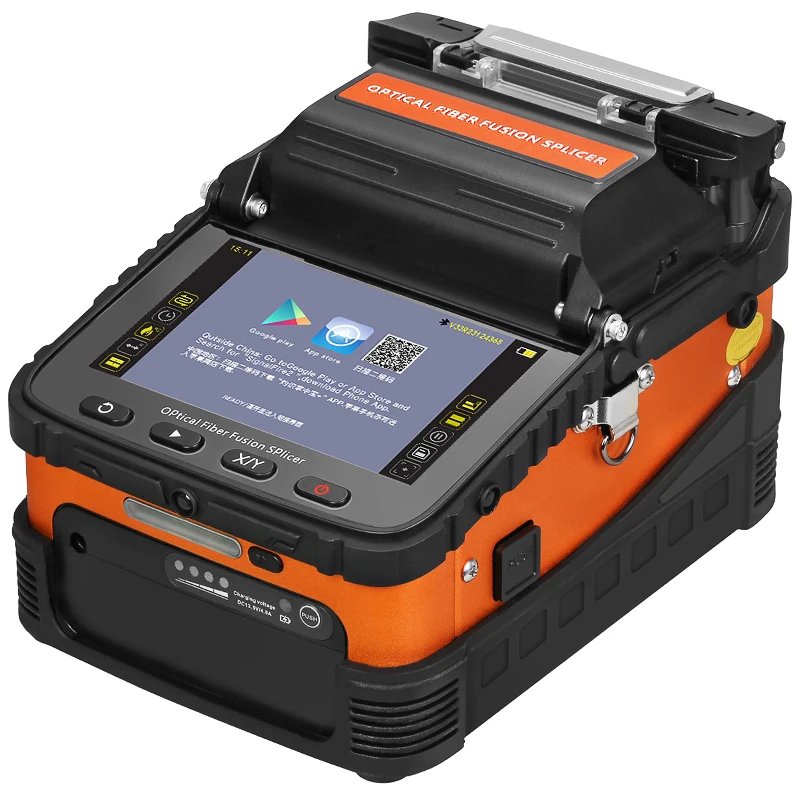
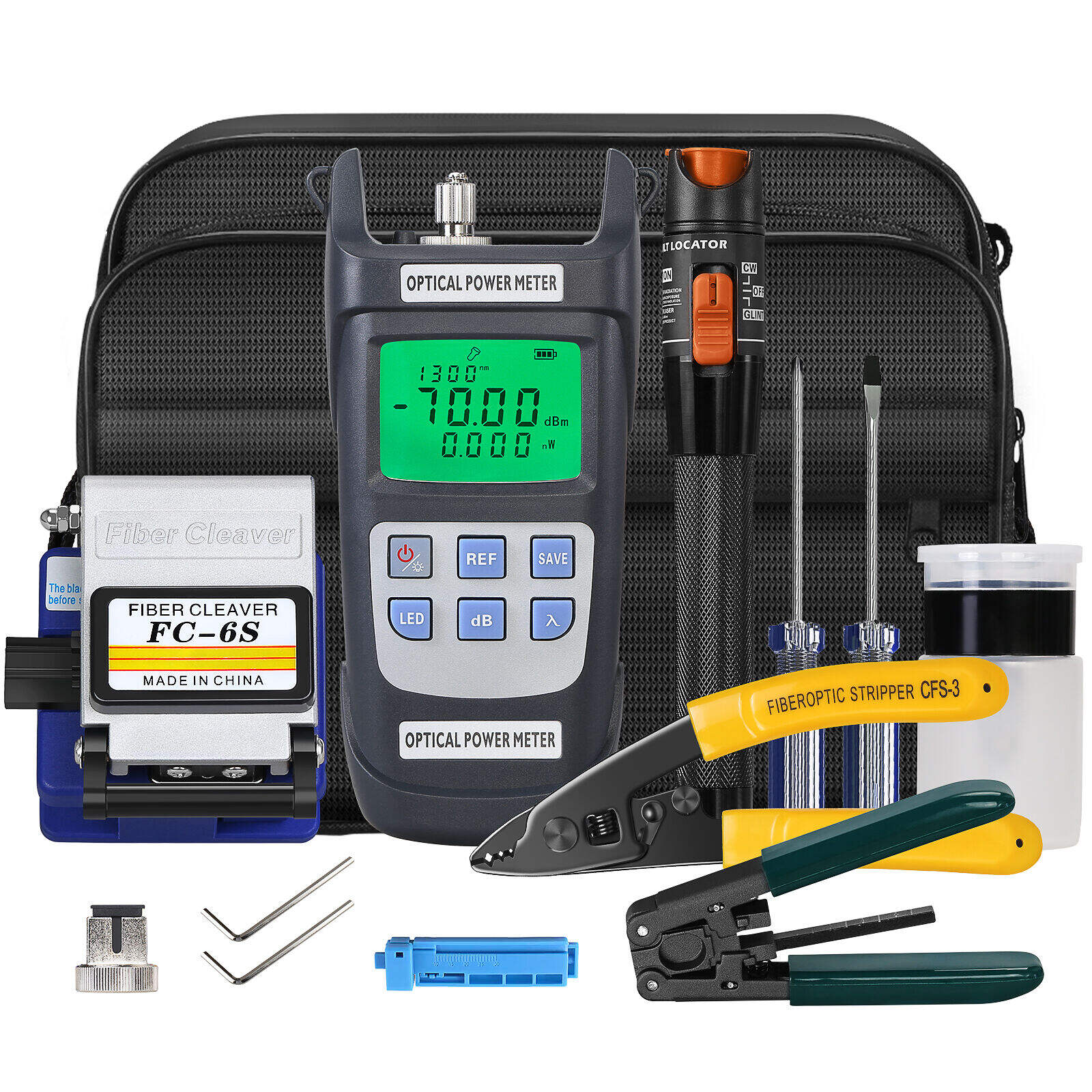
opm telecom equipment
OPM telecom equipment represents a cutting-edge solution in the telecommunications industry, designed to deliver exceptional performance and reliability for modern communication networks. This advanced technology serves as a cornerstone for businesses and service providers seeking to enhance their infrastructure capabilities. The primary functions of OPM telecom equipment encompass signal processing, data transmission optimization, network monitoring, and comprehensive connectivity management. These systems integrate sophisticated algorithms and hardware components to ensure seamless communication across various platforms and protocols. The equipment supports multiple communication standards, including fiber optic networks, wireless systems, and traditional copper-based connections. Key technological features include adaptive signal enhancement, real-time performance analytics, automated fault detection, and scalable architecture that accommodates growing network demands. The modular design allows for easy expansion and customization based on specific organizational requirements. OPM telecom equipment incorporates advanced error correction mechanisms, ensuring data integrity during transmission processes. The system features intelligent bandwidth allocation, prioritizing critical communications while maintaining overall network efficiency. Applications span across diverse sectors, including corporate enterprises, government facilities, educational institutions, healthcare organizations, and telecommunications service providers. The equipment excels in environments requiring high-speed data transfer, minimal latency, and maximum uptime reliability. Industrial applications benefit from ruggedized components designed to withstand harsh environmental conditions while maintaining consistent performance levels. The equipment supports cloud integration, enabling remote management and monitoring capabilities that reduce operational costs and improve response times. Security features include encryption protocols, access control mechanisms, and intrusion detection systems that protect sensitive communications. The user-friendly interface simplifies installation, configuration, and ongoing maintenance procedures, reducing the need for specialized technical expertise.

 EN
EN