Professional Fusion Splicing in Optical Fiber - Superior Performance & Reliability

All Categories

fusion splicing in optical fiber

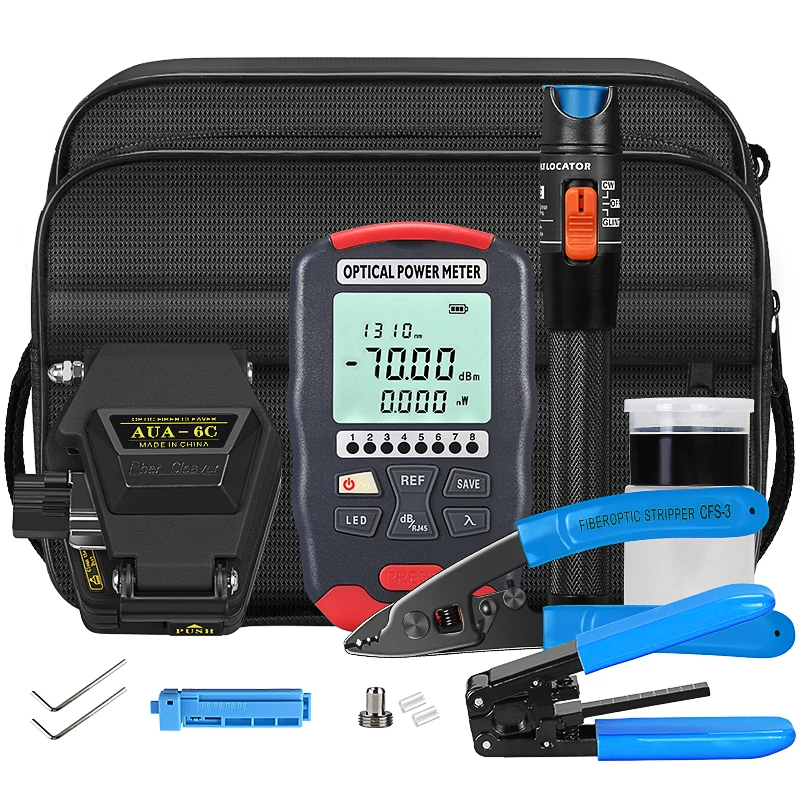
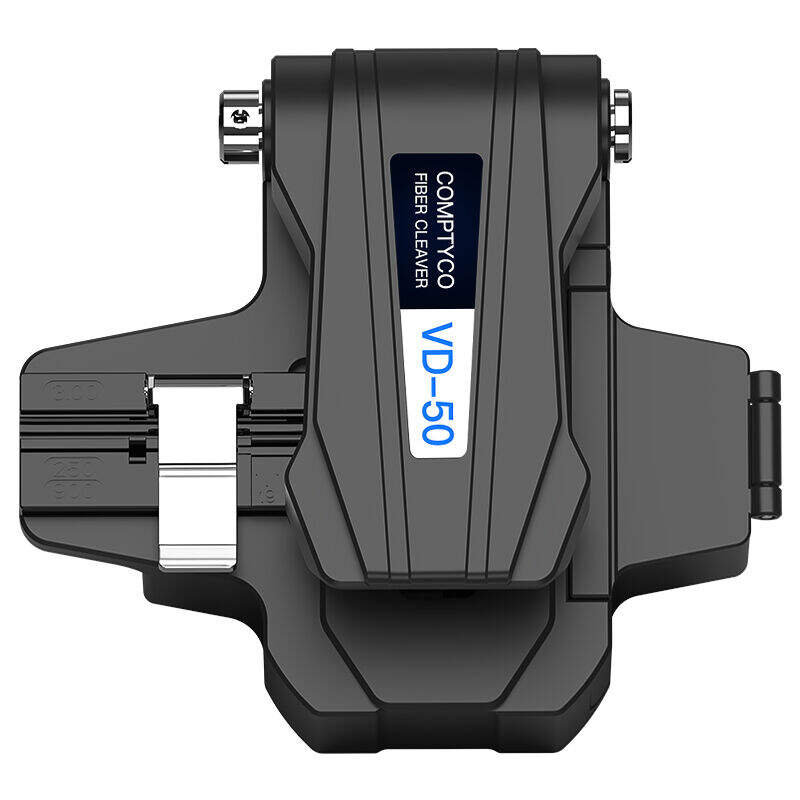
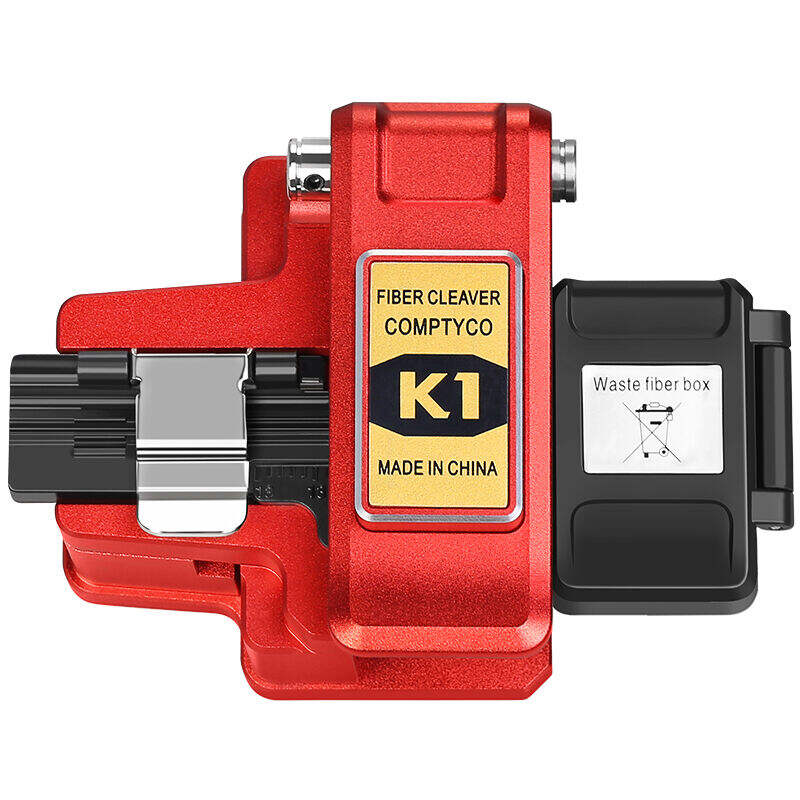
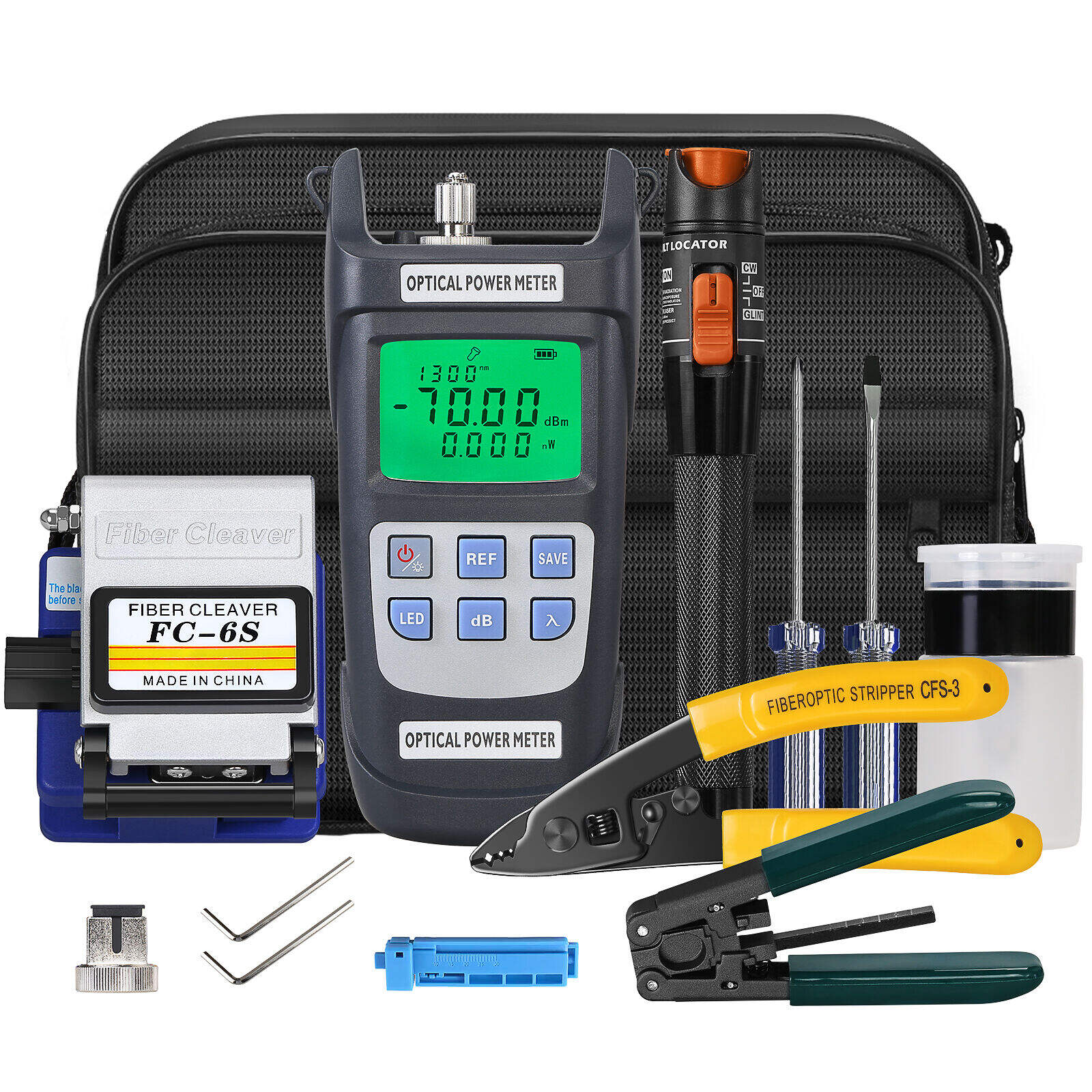
Fusion splicing in optical fiber represents a sophisticated joining technique that permanently connects two optical fiber cables through precise heating and melting processes. This advanced method utilizes an electric arc or laser to create seamless connections between fiber optic strands, ensuring minimal signal loss and maximum transmission efficiency. The fusion splicing process involves stripping the protective coating from fiber ends, cleaving them with precision tools, and aligning the cores perfectly before applying controlled heat to fuse the glass materials together. Modern fusion splicing equipment incorporates automated alignment systems, real-time monitoring capabilities, and programmable settings to accommodate various fiber types and specifications. The technology features sophisticated imaging systems that capture microscopic details of fiber alignment, enabling operators to achieve optimal splice quality consistently. Key technological components include precision motors for fiber positioning, high-resolution cameras for visual inspection, arc electrodes for controlled heating, and protective enclosures to shield the splice zone from environmental contaminants. The fusion splicing process typically completes within seconds, creating permanent joints that maintain the original fiber's optical and mechanical properties. Advanced fusion splicers offer multiple splice modes, including single fiber, ribbon fiber, and specialty fiber configurations, making them versatile solutions for diverse installation requirements. The equipment provides comprehensive splice analysis through automated loss estimation, real-time arc monitoring, and post-splice evaluation features. Applications span telecommunications infrastructure, data center installations, fiber-to-the-home networks, submarine cable systems, and industrial automation environments where reliable optical connections are critical for operational success.


Popular Products

Fusion splicing in optical fiber delivers exceptional connection reliability that surpasses mechanical splicing alternatives through permanent molecular bonds between glass fibers. This process creates seamless joints with insertion losses typically below 0.02 dB, ensuring maximum signal transmission efficiency across network infrastructures. The permanent nature of fusion splices eliminates connection degradation over time, providing long-term stability that mechanical connections cannot match. Temperature variations, humidity changes, and physical vibrations have minimal impact on fusion splice performance, making them ideal for demanding environmental conditions. Cost-effectiveness emerges as a significant advantage when considering lifecycle expenses, as fusion splices require no ongoing maintenance or replacement unlike mechanical connectors that may loosen or deteriorate. The one-time installation cost provides decades of reliable service without additional intervention or component replacement needs. Fusion splicing accommodates various fiber types including single-mode, multimode, and specialty fibers with consistent results across different applications. The process maintains original fiber specifications including numerical aperture, core diameter, and refractive index profiles, preserving signal quality throughout the transmission path. Modern fusion splicing equipment offers user-friendly operation with automated features that reduce operator skill requirements while maintaining professional-grade results. Built-in quality control systems provide real-time feedback and documentation capabilities that support network certification and troubleshooting activities. The compact splice protection sleeves shield completed joints from physical damage and environmental exposure, extending operational lifespan significantly. Fusion splicing enables high-density installations where space constraints limit mechanical connector usage, supporting efficient rack mounting and cable management strategies. The technology supports rapid deployment schedules through quick splice cycles and minimal preparation requirements compared to alternative joining methods. Quality assurance features include automated loss estimation, splice strength testing, and comprehensive documentation that supports warranty requirements and network performance validation.

Latest News

Fiber Cleaver Selection Guide: Achieving Clean and Accurate Fiber Cuts

26

Jan

Fiber Cleaver Selection Guide: Achieving Clean and Accurate Fiber Cuts

In fiber optic splicing and termination, the quality of the fiber end face is paramount. A clean, perpendicular cleave is the foundation for low-loss connections, directly impacting network performance and reliability. Choosing the right fiber cleave...
View More
Top Fiber Cleaver Features That Improve Splicing Quality and Efficiency

26

Jan

Top Fiber Cleaver Features That Improve Splicing Quality and Efficiency

In the intricate world of fiber optic splicing, the cleaver is a foundational tool whose performance dictates the ceiling of success for every subsequent connection. A flawless, mirror-smooth fiber end face is the non-negotiable starting point for ac...
View More
What a Fiber Tool Kit Should Include for Professional Field Technicians

26

Jan

What a Fiber Tool Kit Should Include for Professional Field Technicians

For professional field technicians, a well-stocked fiber optic tool kit is more than just a collection of instruments—it's a mobile workshop and a guarantee of success. Every job, whether it's a new Fiber-to-the-Home (FTTH) installation or an u...
View More
What to Look for When Choosing an Industrial-Grade Fusion Splicer?

26

Mar

What to Look for When Choosing an Industrial-Grade Fusion Splicer?

Selecting the right industrial-grade fusion splicer requires careful evaluation of multiple technical specifications and operational factors that directly impact splice quality, field efficiency, and long-term reliability. Industrial environments dem...
View More

Get a Free Quote

Our representative will contact you soon.
Email
Name
Company Name
Message
0/1000

fusion splicing in optical fiber

Superior Signal Integrity and Low Loss Performance

Superior Signal Integrity and Low Loss Performance

Fusion splicing in optical fiber achieves unmatched signal integrity through molecular-level glass bonding that creates virtually seamless transmission paths. The process eliminates air gaps, index matching gel requirements, and physical interfaces that contribute to signal attenuation in mechanical connections. Advanced fusion splicers utilize precision core alignment technology that positions fiber cores within micrometers of perfect alignment, ensuring optimal light transmission across the splice joint. The resulting connections typically exhibit insertion losses below 0.02 dB, significantly outperforming mechanical splices that average 0.1 to 0.3 dB losses per connection. This superior performance translates directly into extended transmission distances, reduced signal amplification requirements, and improved overall network efficiency. The permanent molecular bond created during fusion splicing maintains consistent optical properties over decades of operation, eliminating performance degradation associated with mechanical wear, contamination, or environmental stress. Reflection losses remain minimal due to the continuous glass structure that prevents back-reflection issues common in connector-based systems. The splice joint maintains the original fiber's numerical aperture and mode field characteristics, preserving signal quality throughout complex network architectures. Quality control systems integrated into modern fusion splicers provide real-time loss estimation and splice evaluation, enabling immediate verification of performance standards. Post-splice testing capabilities allow comprehensive characterization of joint performance including bidirectional loss measurements and return loss analysis. The consistent low-loss performance of fusion splicing supports high-bandwidth applications including 100G, 400G, and emerging terabit transmission systems where every decibel of loss impacts system reach and performance. Network designers can confidently specify longer cable runs and fewer regeneration points when utilizing fusion splicing technology, reducing overall infrastructure costs and complexity while improving system reliability and maintainability.
Permanent Reliability in Harsh Environmental Conditions

Permanent Reliability in Harsh Environmental Conditions

Fusion splicing in optical fiber provides uncompromising reliability across extreme environmental conditions where mechanical connections fail to maintain performance standards. The permanent glass-to-glass bond withstands temperature fluctuations from -40°C to +85°C without performance degradation, making it suitable for outdoor installations, industrial environments, and demanding applications. Humidity variations have no impact on fusion splice performance since the sealed glass structure prevents moisture ingress that can compromise mechanical connections over time. Mechanical stress resistance exceeds industry standards through the continuous glass structure that distributes forces evenly across the splice zone, preventing fracture points that plague connector-based systems. Vibration immunity becomes critical in mobile applications, transportation systems, and industrial machinery where constant movement challenges connection integrity. The fusion splice creates a monolithic structure that moves as a single unit, eliminating micro-movement issues that cause signal fluctuations in mechanical joints. Chemical resistance properties protect against corrosive environments including saltwater exposure, industrial chemicals, and atmospheric pollutants that can degrade connector materials and housing components. The protective splice sleeve system provides additional environmental sealing while maintaining the splice joint's mechanical flexibility and optical properties. Long-term stability testing demonstrates consistent performance over 25-year operational lifespans without measurable degradation in optical or mechanical characteristics. Thermal cycling tests confirm splice integrity through thousands of temperature transitions without cracking, separation, or performance loss. UV radiation resistance prevents degradation in outdoor installations where prolonged sunlight exposure can compromise plastic connector components. The hermetically sealed nature of fusion splices eliminates contamination pathways that can introduce particles or moisture into the optical path. Field deployment success rates exceed 99.9% for properly executed fusion splices, compared to significantly higher failure rates for mechanical connections in similar environments. Maintenance requirements remain virtually zero throughout the operational lifetime, reducing ongoing service costs and network downtime risks.
Versatile Technology Supporting Multiple Fiber Types and Applications

Versatile Technology Supporting Multiple Fiber Types and Applications

Fusion splicing in optical fiber demonstrates remarkable versatility through compatibility with diverse fiber specifications and application requirements across telecommunications, data center, and specialty networking environments. Modern fusion splicers accommodate single-mode fibers ranging from standard G.652 to advanced G.657 bend-insensitive variants, ensuring optimal performance across different network architectures. Multimode fiber support includes OM1 through OM5 specifications with automatic mode field matching that preserves bandwidth capabilities in high-speed data applications. Specialty fiber compatibility extends to polarization-maintaining fibers, dispersion-shifted variants, and custom-designed fibers for scientific and industrial applications. The automated fiber recognition systems built into advanced splicers identify fiber types and automatically adjust splice parameters for optimal results without manual intervention. Ribbon fiber splicing capabilities enable mass fusion operations with 12, 24, or 48 fibers spliced simultaneously, dramatically reducing installation time for high-density applications. The technology supports both loose tube and tight buffer cable constructions, accommodating different installation methods and environmental requirements. Dissimilar fiber splicing enables network upgrades and transitions between different fiber generations while maintaining acceptable loss performance. Core diameter variations from 4 to 1000 micrometers can be accommodated through adjustable splice programs that optimize parameters for each fiber combination. Cladding diameter differences are automatically compensated through advanced alignment algorithms that ensure proper core positioning regardless of outer diameter variations. The fusion splicing process maintains polarization alignment in PM fibers through specialized holding fixtures and alignment procedures that preserve signal integrity in coherent transmission systems. Bend-insensitive fiber splicing preserves the enhanced macro-bend performance characteristics that enable compact installation geometries and simplified cable management. Field-installable splice-on connectors combine fusion splicing advantages with connector convenience for applications requiring frequent connections and disconnections. Quality assurance features provide comprehensive documentation for each splice including loss measurements, splice images, and parameter settings that support network certification and troubleshooting requirements.
Professional Fusion Splicing in Optical Fiber - Superior Performance & Reliability Professional Fusion Splicing in Optical Fiber - Superior Performance & Reliability Professional Fusion Splicing in Optical Fiber - Superior Performance & Reliability Professional Fusion Splicing in Optical Fiber - Superior Performance & Reliability
Professional Fusion Splicing in Optical Fiber - Superior Performance & Reliability