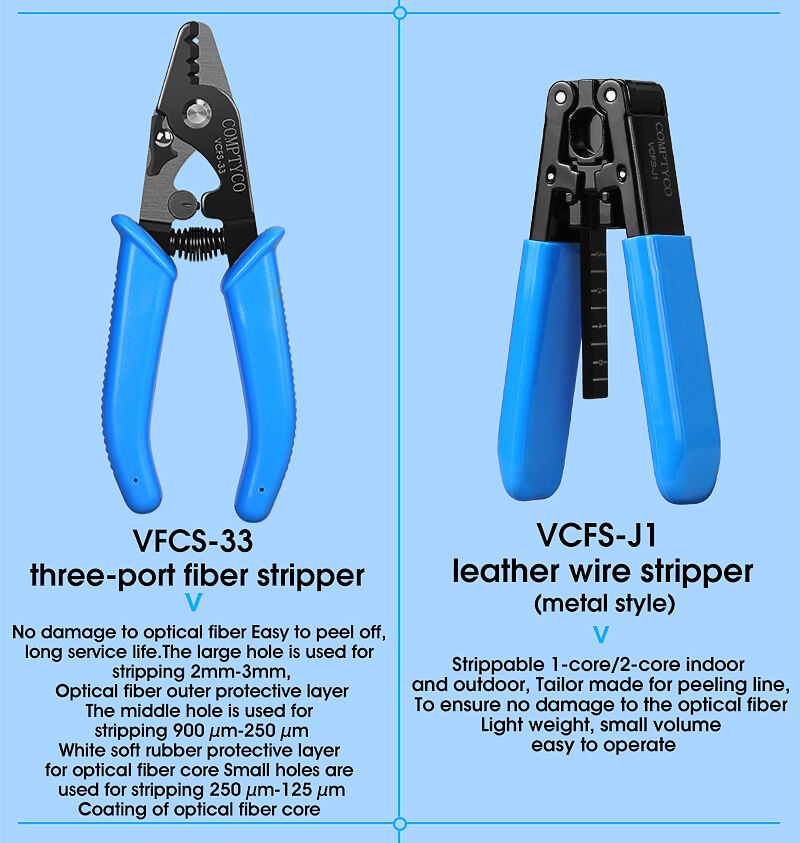
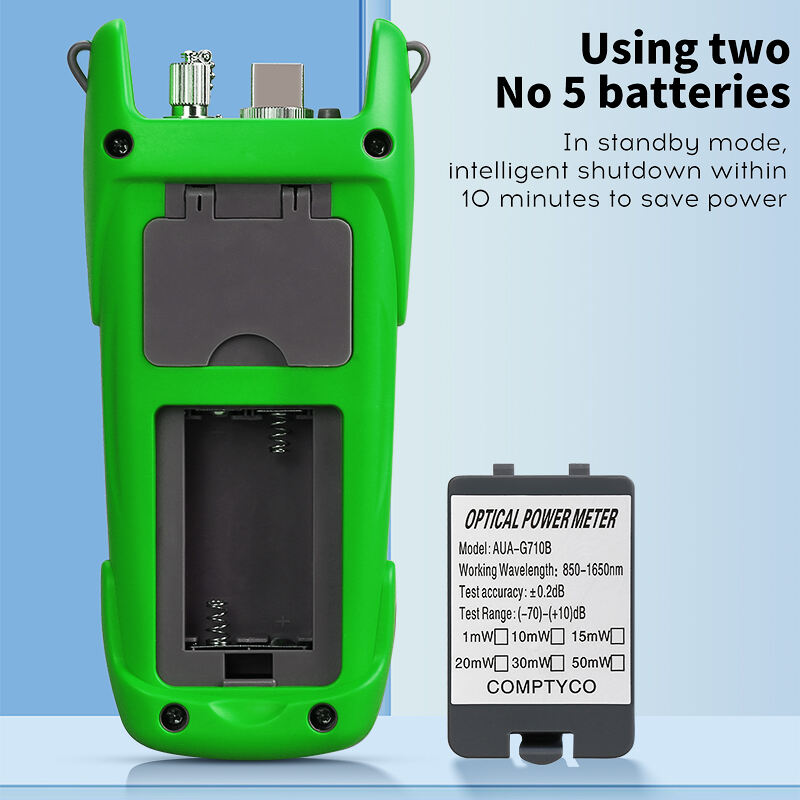
fiber optic jumper
A fiber optic jumper serves as a critical connecting component in modern telecommunications infrastructure, functioning as a short optical cable that links different network devices, equipment, or cable segments. These precision-engineered cables feature connectorized fiber optic assemblies on both ends, enabling seamless data transmission through light signals across networks. The fiber optic jumper operates by converting electrical signals into optical signals, transmitting them through ultra-pure glass or plastic fibers, then converting them back to electrical signals at the destination point. This technology leverages the principle of total internal reflection, where light waves travel through the fiber core while being contained by the cladding layer. The core technological features include single-mode and multimode configurations, with single-mode fibers supporting longer transmission distances up to several kilometers, while multimode fibers excel in shorter-distance applications within buildings or campuses. Modern fiber optic jumpers incorporate advanced connector types such as LC, SC, ST, and MTP/MPO interfaces, each designed for specific application requirements and space constraints. The cables feature protective outer jackets made from materials like PVC, LSZH, or plenum-rated compounds, ensuring durability and safety compliance across various installation environments. Applications span telecommunications networks, data centers, enterprise networking, broadcast systems, medical equipment, industrial automation, and military communications. In data centers, these jumpers facilitate high-density connections between servers, switches, and storage systems, while in telecommunications, they connect central office equipment, fiber distribution panels, and customer premises equipment. The precision manufacturing process ensures consistent optical performance with minimal insertion loss, typically ranging from 0.1 to 0.3 decibels, and excellent return loss characteristics exceeding 50 decibels for optimal signal integrity.

 EN
EN