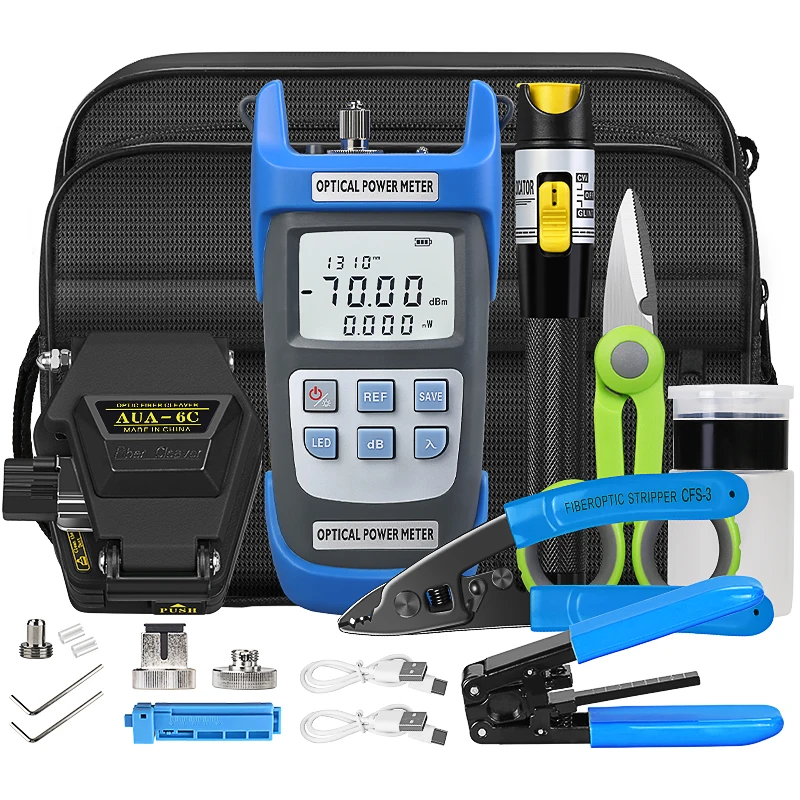
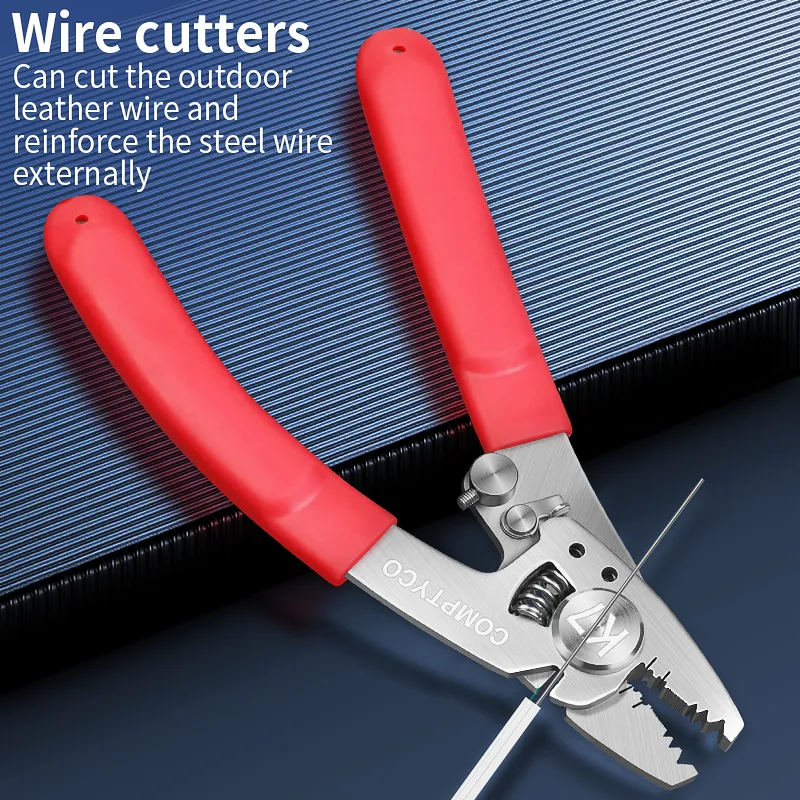
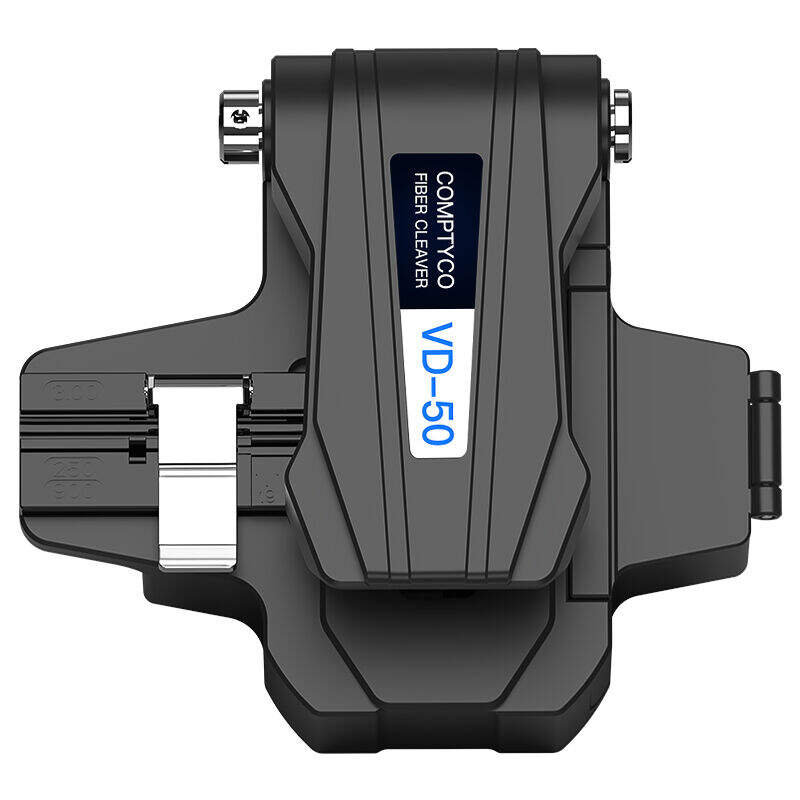
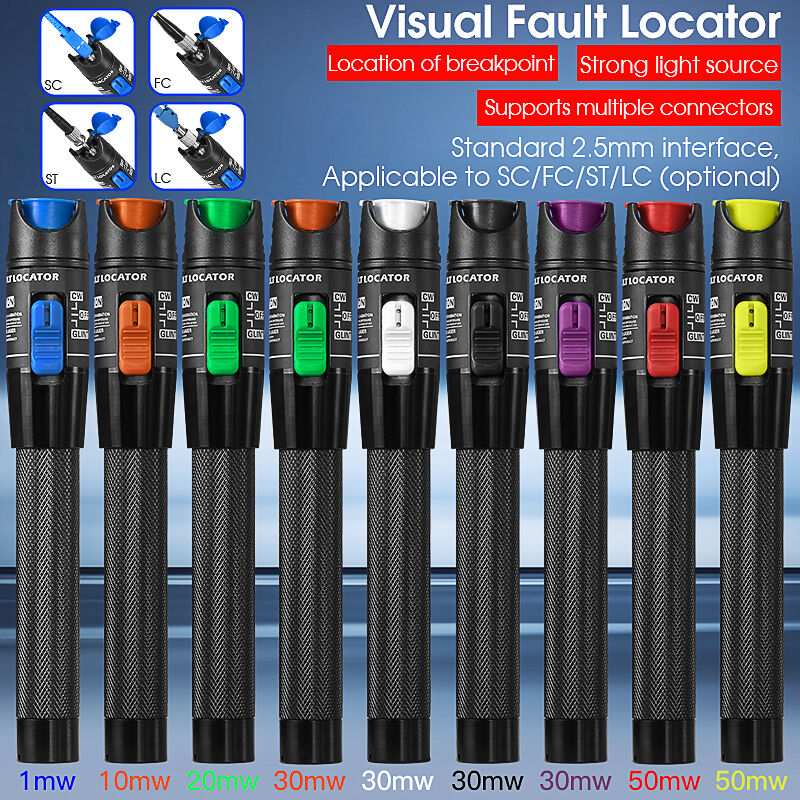
Professional Fiber Optic Cleaner Systems - Advanced Cleaning Solutions for Network Infrastructure

All Categories

fiber optic cleaner

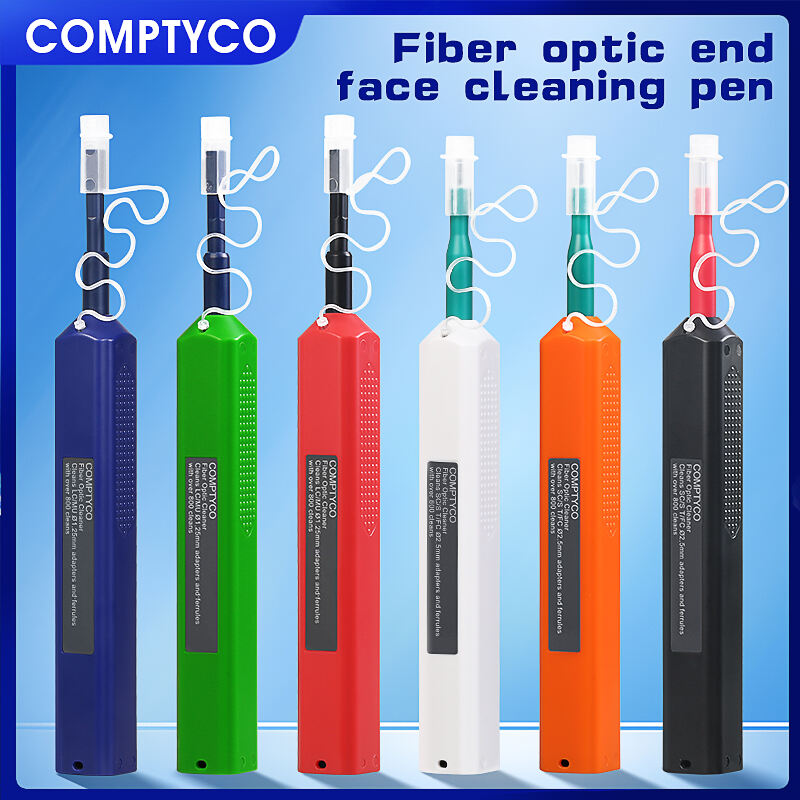
A fiber optic cleaner represents an essential tool in modern telecommunications and network infrastructure maintenance. This specialized device removes contaminants, dust particles, and residual materials from fiber optic connectors and cables to ensure optimal signal transmission performance. The primary function of a fiber optic cleaner involves eliminating microscopic debris that can significantly impact data transmission quality and network reliability. These cleaning systems utilize advanced technology to maintain the pristine condition of optical surfaces, preventing signal loss and maintaining network integrity. The technological features of modern fiber optic cleaner units include precision cleaning mechanisms that target specific contaminant types without damaging delicate optical components. Many systems incorporate automated cleaning cycles that reduce human error and ensure consistent results across multiple cleaning operations. Advanced fiber optic cleaner models feature multiple cleaning stages, including dry cleaning for loose particles and wet cleaning for stubborn residues. The cleaning process typically involves specialized solvents and lint-free materials designed specifically for optical applications. Temperature and humidity controls within these systems ensure optimal cleaning conditions regardless of environmental factors. Applications for fiber optic cleaner technology span across telecommunications companies, data centers, internet service providers, and enterprise networks. These devices prove invaluable in maintaining network infrastructure, supporting high-speed internet connections, and ensuring reliable communication systems. Military and aerospace applications also rely on fiber optic cleaner technology to maintain critical communication links. Research facilities and medical equipment manufacturers utilize these cleaning systems to maintain precision optical instruments. The versatility of fiber optic cleaner applications extends to manufacturing environments where optical components require regular maintenance. Installation technicians and network engineers depend on portable fiber optic cleaner units for field maintenance and troubleshooting operations.

New Product Recommendations

The primary advantage of using a fiber optic cleaner lies in its ability to dramatically improve network performance by eliminating signal degradation caused by contaminated connectors. Clean optical surfaces ensure maximum light transmission efficiency, resulting in faster data transfer speeds and reduced error rates across network connections. This improved performance directly translates to enhanced user experience and increased productivity for businesses relying on high-speed internet connectivity. Cost savings represent another significant benefit of regular fiber optic cleaner usage. Preventive maintenance through systematic cleaning reduces the need for expensive component replacements and minimizes network downtime that can cost organizations thousands of dollars per hour. The investment in a quality fiber optic cleaner pays for itself through extended equipment lifespan and reduced maintenance costs over time. Organizations experience fewer service calls and technical support incidents when maintaining clean optical connections. Time efficiency becomes apparent when comparing manual cleaning methods to automated fiber optic cleaner systems. These devices complete thorough cleaning cycles in minutes rather than hours, allowing technicians to focus on other critical tasks. Standardized cleaning procedures ensure consistent results regardless of operator skill level, reducing training requirements and improving overall maintenance quality. The reliability improvements achieved through proper fiber optic cleaner usage cannot be overstated. Clean connections maintain stable signal quality over extended periods, reducing intermittent connectivity issues that plague poorly maintained networks. This reliability proves crucial for mission-critical applications where network failures can have serious consequences. Compliance with industry standards becomes easier when using certified fiber optic cleaner equipment that meets telecommunications industry requirements. Many organizations must adhere to strict maintenance protocols, and documented cleaning procedures using professional-grade equipment help satisfy these regulatory requirements. Environmental benefits emerge from extended equipment lifespan and reduced electronic waste generation. Regular cleaning with appropriate fiber optic cleaner systems prevents premature component failure, supporting sustainability initiatives while maintaining operational excellence. The precision cleaning capabilities of modern systems ensure thorough contaminant removal without damaging sensitive optical surfaces, preserving expensive infrastructure investments.

Practical Tips

2025 Best Fusion Splicer Models: Expert Buying Guide

13

Jan

2025 Best Fusion Splicer Models: Expert Buying Guide

The telecommunications industry continues to evolve rapidly, demanding increasingly sophisticated equipment for fiber optic network installation and maintenance. Professional technicians and network engineers require reliable tools that deliver preci...
View More
How to Choose the Right Fiber Stripper for High-Precision Cable Work

26

Jan

How to Choose the Right Fiber Stripper for High-Precision Cable Work

High-precision cable work demands tools that combine accuracy, durability, and efficiency. As fiber optic networks expand into increasingly complex environments, the importance of proper cable preparation cannot be overstated. The right fiber strippe...
View More
Fiber Cleaver Selection Guide: Achieving Clean and Accurate Fiber Cuts

26

Jan

Fiber Cleaver Selection Guide: Achieving Clean and Accurate Fiber Cuts

In fiber optic splicing and termination, the quality of the fiber end face is paramount. A clean, perpendicular cleave is the foundation for low-loss connections, directly impacting network performance and reliability. Choosing the right fiber cleave...
View More
How a VFL Saves Time in Finding Fiber Breaks and Bends.

26

Mar

How a VFL Saves Time in Finding Fiber Breaks and Bends.

Network technicians face constant pressure to quickly identify and resolve fiber optic issues that can cripple business operations. When fiber breaks or excessive bends occur in optical networks, traditional troubleshooting methods often require exte...
View More

Get a Free Quote

Our representative will contact you soon.
Email
Name
Company Name
Message
0/1000

fiber optic cleaner

Advanced Multi-Stage Cleaning Technology

Advanced Multi-Stage Cleaning Technology

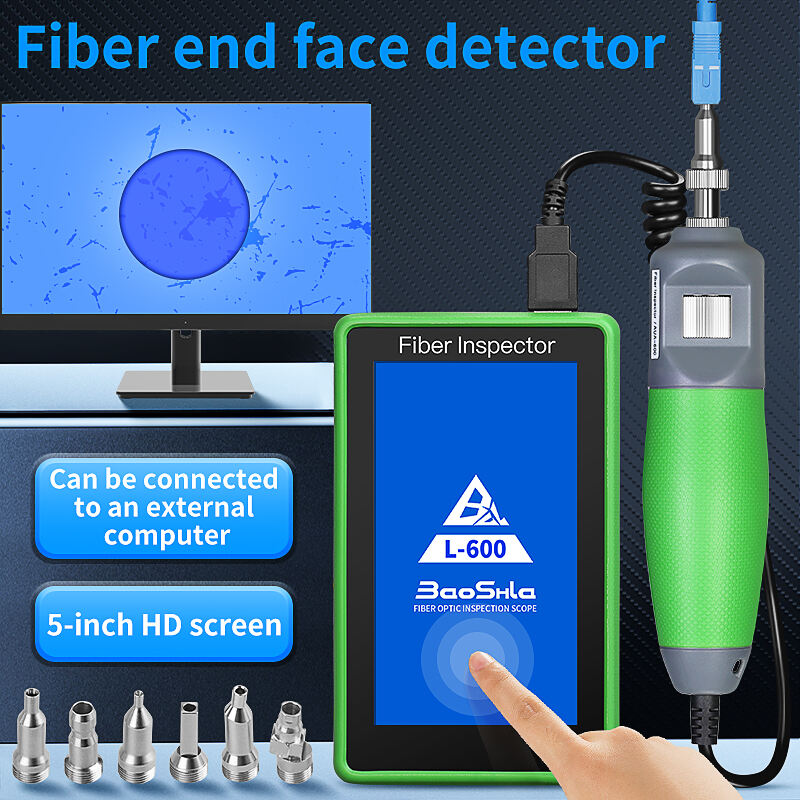
The revolutionary multi-stage cleaning technology integrated into modern fiber optic cleaner systems represents a breakthrough in optical maintenance capabilities. This sophisticated approach combines multiple cleaning methodologies to address various contamination types that commonly affect fiber optic connections. The first stage utilizes dry cleaning techniques specifically designed to remove loose particles, dust, and surface debris without introducing moisture that could potentially damage sensitive optical components. Advanced air filtration systems within the fiber optic cleaner ensure that the cleaning environment remains free from airborne contaminants that could recontaminate surfaces during the cleaning process. The second stage incorporates precision wet cleaning using specially formulated solvents that dissolve stubborn residues, oils, and organic contaminants that dry cleaning cannot effectively remove. These solvents undergo rigorous testing to ensure compatibility with various connector materials and coatings commonly used in telecommunications equipment. The wet cleaning stage features controlled application mechanisms that deliver precise solvent quantities, preventing oversaturation while ensuring complete contaminant dissolution. Temperature regulation systems maintain optimal cleaning conditions throughout the process, as temperature variations can significantly impact cleaning effectiveness and component integrity. The final stage involves thorough drying and inspection procedures that verify cleaning completeness before components return to service. Integrated microscopic inspection capabilities allow technicians to visually confirm that all contaminants have been successfully removed from optical surfaces. This multi-stage approach addresses the complex nature of fiber optic contamination, where different contaminant types require specific removal techniques. The automated sequencing of these stages ensures consistent results while minimizing operator intervention and potential human error. Quality control systems monitor each stage progression, providing real-time feedback on cleaning effectiveness and identifying any anomalies that require attention. This comprehensive cleaning methodology significantly extends connector lifespan while maintaining optimal signal transmission characteristics, making it an invaluable investment for organizations dependent on reliable optical communications.
Portable Design for Field Operations

Portable Design for Field Operations

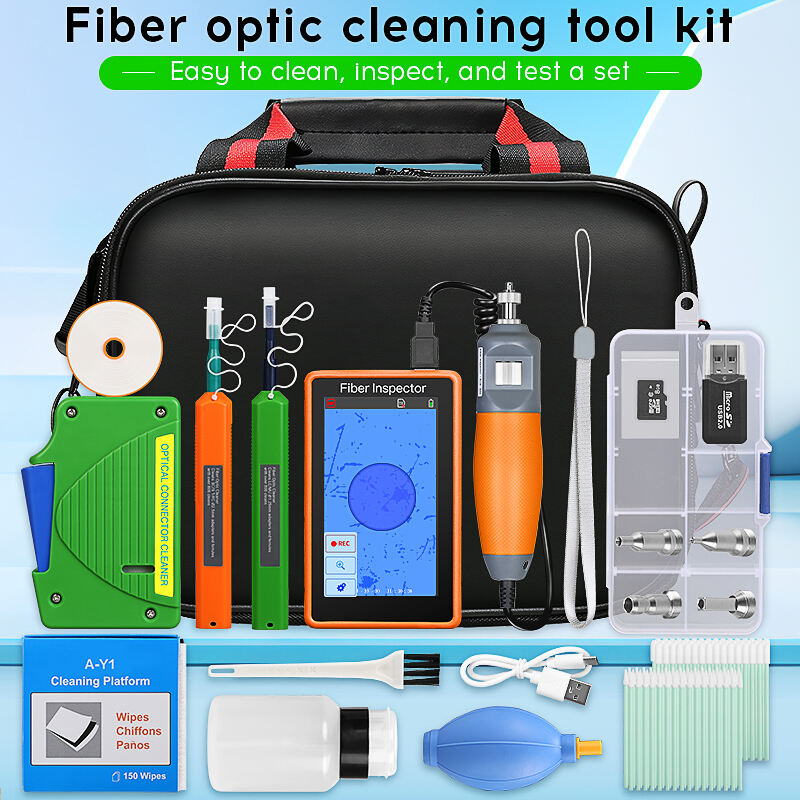
The portable design innovation in modern fiber optic cleaner systems addresses the critical need for on-site maintenance capabilities in today's distributed network infrastructure. This compact engineering approach enables technicians to perform professional-grade cleaning operations at remote locations without compromising cleaning quality or efficiency. The portable fiber optic cleaner units feature ruggedized construction that withstands harsh environmental conditions commonly encountered during field operations, including temperature extremes, humidity variations, and mechanical vibrations. Advanced battery management systems provide extended operational time, allowing technicians to complete multiple cleaning cycles without requiring external power sources. The lightweight design reduces operator fatigue during extended maintenance sessions while maintaining the robust construction necessary for demanding field conditions. Integrated carrying systems and protective cases ensure safe transportation between job sites while protecting sensitive internal components from damage during transit. The user-friendly interface design accommodates operation while wearing protective equipment, recognizing the safety requirements often present in telecommunications and industrial environments. Quick-connect capabilities enable rapid setup and deployment, minimizing service interruption time during critical network maintenance operations. The portable fiber optic cleaner systems incorporate self-diagnostic features that verify proper operation before beginning cleaning cycles, ensuring reliable performance regardless of location or environmental conditions. Storage compartments for cleaning supplies and accessories keep all necessary materials organized and readily accessible during field operations. The modular design approach allows technicians to customize equipment configurations based on specific job requirements while maintaining portability advantages. Emergency cleaning capabilities enable rapid response to network failures, helping restore service quickly in critical situations. GPS integration and digital logging features document cleaning locations and procedures, supporting compliance requirements and maintenance scheduling systems. The portable design philosophy extends to maintenance requirements, with user-replaceable components and simplified servicing procedures that can be performed in field conditions. This field-ready approach ensures that network maintenance quality remains consistent regardless of location, supporting the reliability requirements of modern distributed communications infrastructure.
Automated Quality Control and Documentation

Automated Quality Control and Documentation

The automated quality control and documentation capabilities integrated into advanced fiber optic cleaner systems represent a paradigm shift in maintenance accountability and process standardization. This intelligent monitoring technology continuously evaluates cleaning effectiveness while generating comprehensive documentation that supports regulatory compliance and maintenance optimization efforts. The automated quality control system utilizes precision sensors and optical inspection technology to verify that cleaning operations meet established industry standards before declaring components ready for service. Real-time monitoring capabilities track critical parameters throughout the cleaning process, including cleaning duration, solvent application rates, temperature conditions, and environmental factors that could impact cleaning effectiveness. The fiber optic cleaner system automatically adjusts cleaning parameters based on contamination levels detected during initial inspection, ensuring optimal cleaning results regardless of initial component condition. Machine learning algorithms analyze cleaning patterns and outcomes to continuously improve cleaning protocols and predict maintenance requirements for individual components. The comprehensive documentation system generates detailed reports for each cleaning operation, including before and after images, cleaning parameters used, and verification test results. These reports integrate seamlessly with enterprise maintenance management systems, supporting predictive maintenance strategies and regulatory compliance requirements. Automated scheduling capabilities remind technicians of recommended cleaning intervals based on usage patterns and environmental conditions, helping maintain consistent network performance. The quality control system identifies components that may require additional attention or replacement, preventing potential failures before they impact network operations. Digital signature capabilities ensure accountability and traceability for all maintenance operations performed using the fiber optic cleaner system. Statistical analysis features identify trends in contamination patterns and cleaning effectiveness, supporting continuous improvement initiatives and equipment optimization efforts. The automated documentation system maintains historical records that support warranty claims and equipment lifecycle management decisions. Integration with network monitoring systems enables correlation between cleaning activities and network performance metrics, demonstrating the value of proper maintenance procedures. Cloud connectivity options enable remote monitoring and analysis of cleaning operations across multiple locations, supporting centralized maintenance management strategies. This automated approach eliminates human error in documentation while providing unprecedented visibility into maintenance operations, ultimately supporting higher network reliability and operational efficiency.

Professional Fiber Optic Cleaner Systems - Advanced Cleaning Solutions for Network Infrastructure Professional Fiber Optic Cleaner Systems - Advanced Cleaning Solutions for Network Infrastructure Professional Fiber Optic Cleaner Systems - Advanced Cleaning Solutions for Network Infrastructure Professional Fiber Optic Cleaner Systems - Advanced Cleaning Solutions for Network Infrastructure
Professional Fiber Optic Cleaner Systems - Advanced Cleaning Solutions for Network Infrastructure