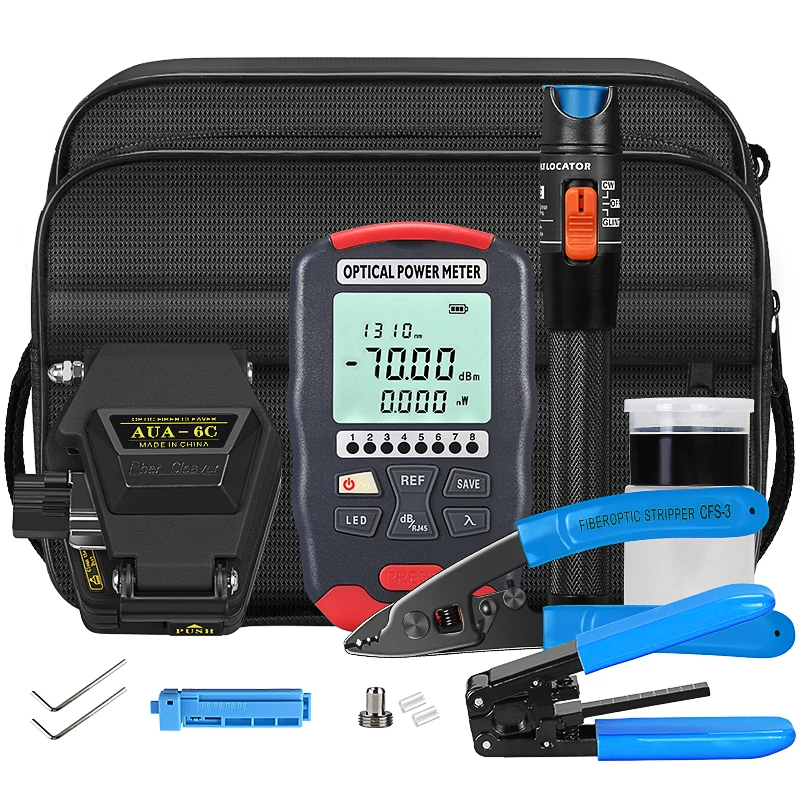
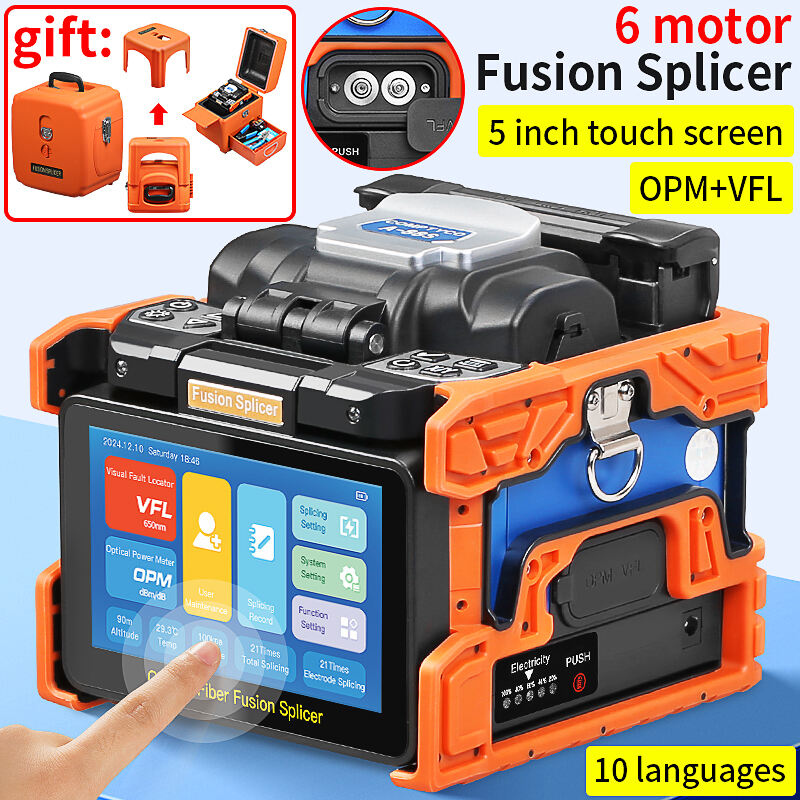
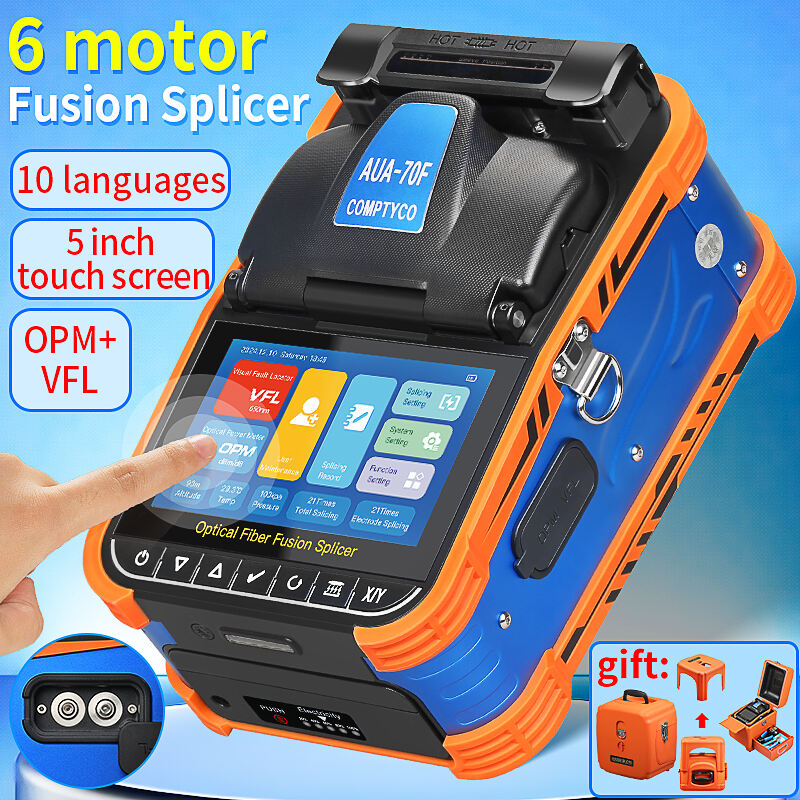
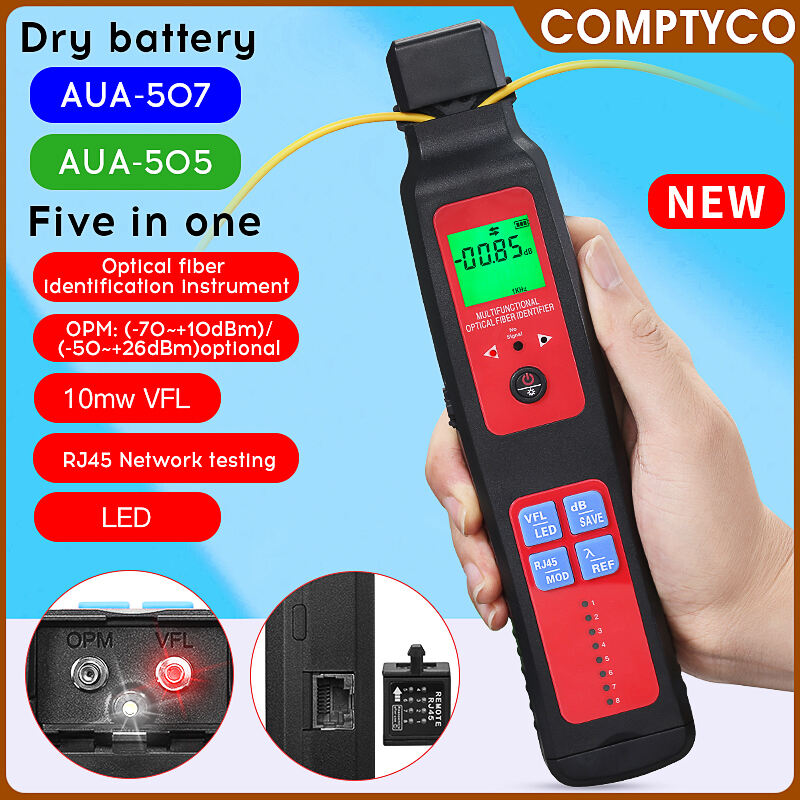
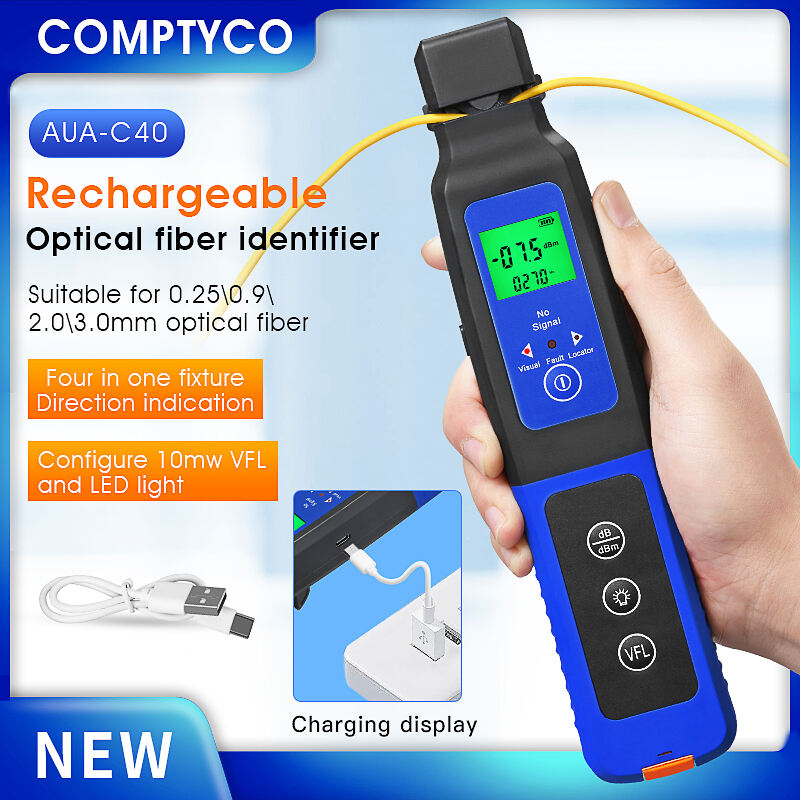
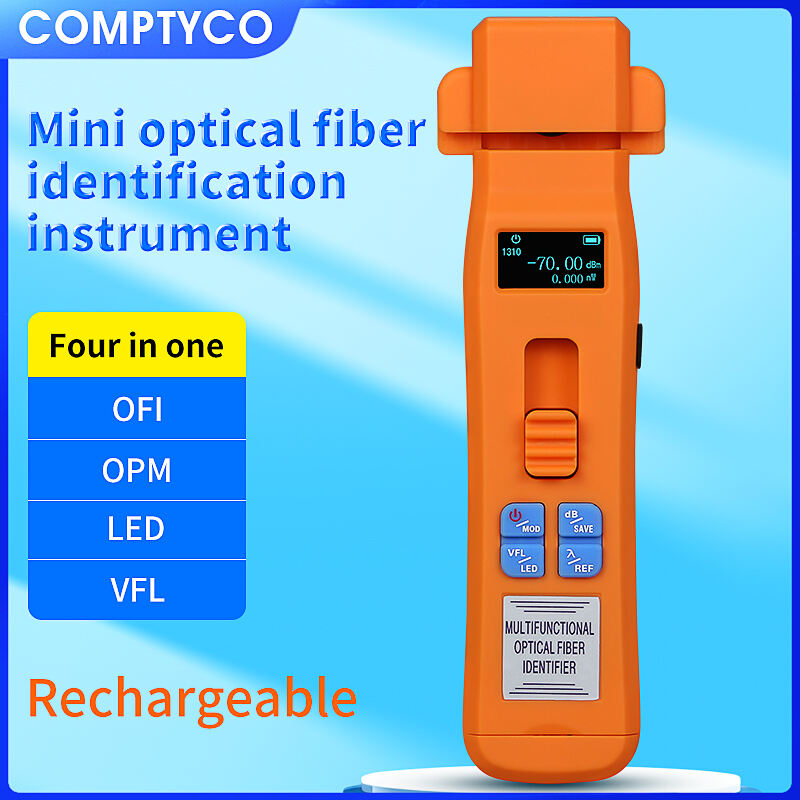
Professional Fiber Light Identifier - Advanced Optical Signal Detection Tool

All Categories

fiber light identifier

A fiber light identifier represents an essential tool for telecommunications professionals working with optical fiber networks. This sophisticated device enables technicians to identify specific fibers within multi-fiber cables without causing service interruptions or requiring physical disconnections. The fiber light identifier operates by detecting optical signals transmitted through single-mode and multimode fibers, providing real-time identification capabilities that streamline network maintenance and troubleshooting procedures. Modern fiber light identifiers incorporate advanced detection technology that can recognize various signal types including continuous wave signals, modulated traffic, and tone signals. These instruments feature ergonomic designs with intuitive interfaces that display signal presence, direction, and relative power levels through visual indicators and audible alerts. The core functionality revolves around non-intrusive signal detection, allowing operators to verify fiber continuity, trace fiber paths, and identify active connections within complex cable infrastructures. Professional-grade fiber light identifiers support multiple fiber types and connector configurations, ensuring compatibility across diverse network environments. The device typically includes adjustable sensitivity settings to accommodate different signal strengths and fiber characteristics. Many models incorporate additional features such as visual fault location capabilities, enabling technicians to identify breaks or bends in fiber cables. The compact form factor makes these instruments highly portable for field operations, while robust construction ensures reliable performance in challenging environmental conditions. Integration with smartphone applications and wireless connectivity options in advanced models provides enhanced data logging and reporting capabilities. The fiber light identifier serves as an indispensable diagnostic tool that significantly reduces troubleshooting time while maintaining network integrity. Its ability to work with live fibers without disrupting ongoing services makes it particularly valuable for mission-critical telecommunications infrastructure where downtime must be minimized.

New Product Releases

The fiber light identifier delivers substantial benefits that transform how telecommunications professionals approach fiber optic network management and maintenance. First, this device eliminates the need for service interruptions during fiber identification processes, allowing technicians to work on live networks without affecting customer services or critical business operations. This non-disruptive approach saves organizations thousands of dollars in potential downtime costs while maintaining service level agreements with clients. The time-saving capabilities of fiber light identifiers significantly enhance operational efficiency, reducing typical fiber tracing tasks from hours to minutes. Technicians can quickly identify target fibers within large cable bundles, eliminating guesswork and reducing human error that often leads to accidental service disruptions. The device provides instant visual and audible feedback, enabling rapid decision-making in the field without requiring extensive technical expertise or complex setup procedures. Cost-effectiveness represents another major advantage, as fiber light identifiers reduce labor costs associated with prolonged troubleshooting sessions while preventing expensive mistakes that can damage network infrastructure. The versatility of these instruments extends their value across multiple applications, from routine maintenance to emergency repairs and network expansions. Modern fiber light identifiers support various fiber types and signal formats, providing flexibility for diverse network environments and future technology upgrades. Safety improvements constitute a crucial benefit, as these devices minimize physical handling of fiber connections and reduce exposure to potentially harmful optical radiation. The ergonomic design and intuitive operation reduce operator fatigue during extended use, improving workplace safety and job satisfaction. Documentation capabilities in advanced models help organizations maintain comprehensive records of network activities, supporting compliance requirements and facilitating future planning. The reliability and accuracy of fiber light identifiers build confidence among technical teams, enabling faster problem resolution and improved customer satisfaction. These devices also support preventive maintenance programs by helping identify potential issues before they cause service outages. The portable nature of fiber light identifiers ensures that technical teams can respond quickly to field situations, improving overall service delivery and operational responsiveness.

Practical Tips

How to Use a Fusion Splicer: Step-by-Step Tutorial

23

Dec

How to Use a Fusion Splicer: Step-by-Step Tutorial

Whether you're a seasoned fiber optic technician or just starting in the telecommunications field, mastering fusion splicing is essential for building reliable networks. Modern fusion splicers like the Comptyco series have become increasingly sophi...
View More
Fusion Splicer Maintenance: Essential Care Tips

13

Jan

Fusion Splicer Maintenance: Essential Care Tips

Professional fiber optic installations demand precision equipment that performs consistently under demanding conditions. A fusion splicer represents one of the most critical tools in any technician's arsenal, enabling seamless connections between opt...
View More
What to Look for When Choosing an Industrial-Grade Fusion Splicer?

26

Mar

What to Look for When Choosing an Industrial-Grade Fusion Splicer?

Selecting the right industrial-grade fusion splicer requires careful evaluation of multiple technical specifications and operational factors that directly impact splice quality, field efficiency, and long-term reliability. Industrial environments dem...
View More
The Role of a Robust Fusion Splicer in 5G Network Deployment.

26

Mar

The Role of a Robust Fusion Splicer in 5G Network Deployment.

The deployment of 5G networks represents one of the most significant technological transformations in telecommunications history, demanding unprecedented precision in fiber optic connectivity. At the heart of this infrastructure revolution lies a cri...
View More

Get a Free Quote

Our representative will contact you soon.
Email
Name
Company Name
Message
0/1000

fiber light identifier

Advanced Non-Intrusive Detection Technology

Advanced Non-Intrusive Detection Technology

The fiber light identifier incorporates cutting-edge non-intrusive detection technology that revolutionizes how technicians interact with optical fiber networks. This sophisticated detection system employs macro-bend sensing techniques that can identify optical signals without requiring fiber disconnection or service interruption. The technology works by creating a controlled micro-bend in the fiber cable, allowing a small portion of the transmitted light to escape and be detected by highly sensitive photodiodes within the device. This approach ensures that signal detection occurs without affecting network performance or causing measurable signal loss that could impact service quality. The advanced detection circuitry can differentiate between various signal types, including data traffic, test signals, and continuous wave transmissions, providing comprehensive identification capabilities for complex network environments. Modern fiber light identifiers feature adjustable sensitivity controls that enable operators to fine-tune detection parameters based on specific fiber characteristics and signal strengths. The technology supports both single-mode and multimode fiber detection across standard wavelengths including 850nm, 1310nm, and 1550nm, ensuring compatibility with virtually all commercial fiber optic systems. Real-time signal processing algorithms within the device provide instant feedback through multiple indicator systems, including LED displays, LCD screens, and audible alerts that help technicians quickly identify target fibers even in noisy environments. The detection technology also incorporates directional sensing capabilities, allowing operators to determine signal flow direction within bidirectional fiber systems. This feature proves invaluable when tracing fiber paths through complex routing structures or identifying upstream and downstream connections. Advanced models include automatic signal recognition features that can distinguish between different modulation formats and identify specific network protocols, providing additional context for troubleshooting activities. The robust detection technology maintains consistent performance across wide temperature ranges and varying environmental conditions, ensuring reliable operation in both indoor and outdoor installations. Quality assurance features built into the detection system include self-calibration routines and diagnostic checks that verify proper operation before each use, maintaining measurement accuracy and operator confidence throughout the device lifecycle.
Comprehensive Fiber Network Compatibility

Comprehensive Fiber Network Compatibility

The fiber light identifier demonstrates exceptional versatility through its comprehensive compatibility with diverse fiber network infrastructures and connection systems. This universal compatibility eliminates the need for multiple specialized tools, streamlining equipment inventories and reducing training requirements for technical personnel. The device supports all standard single-mode and multimode fiber types, including step-index and graded-index configurations commonly deployed in telecommunications, data center, and enterprise network environments. Connector compatibility extends across industry-standard interfaces including SC, LC, ST, FC, and MTP/MPO connectors, enabling seamless operation across different network architectures and vendor equipment. The fiber light identifier accommodates various cable constructions, from loose-tube outdoor cables to tight-buffered indoor cables, providing consistent performance regardless of cable design or installation environment. Wavelength compatibility spans the complete range of commercial optical communications, supporting 850nm multimode applications, 1310nm single-mode systems, and 1550nm long-haul networks. This broad wavelength support ensures that technicians can use a single device across different network segments and technology generations without requiring specialized equipment for each application. The device handles both simplex and duplex fiber configurations, automatically adapting to different connection schemes and providing appropriate feedback for each scenario. Advanced models include programmable settings that allow customization for specific network types or vendor equipment, ensuring optimal performance in specialized environments. The compatibility extends to emerging fiber technologies, including bend-insensitive fibers and specialty applications such as fiber-to-the-home installations and high-density data center interconnects. International standards compliance ensures that the fiber light identifier meets global certification requirements, enabling its use across different geographical regions and regulatory environments. The device maintains consistent performance across varying signal power levels, from high-power transmission systems to low-power distribution networks, adapting automatically to optimize detection sensitivity. Field-replaceable accessories and adapter systems extend compatibility to legacy equipment and specialized connector types, protecting existing equipment investments while enabling access to advanced identification capabilities. This comprehensive compatibility approach reduces total cost of ownership by eliminating the need for multiple specialized tools while ensuring that technical teams can respond effectively to any fiber identification challenge they encounter in modern network environments.

Enhanced Operational Efficiency and User Experience

Enhanced Operational Efficiency and User Experience

The fiber light identifier transforms operational workflows through intelligent design features that prioritize user experience and maximize field efficiency. The ergonomic housing incorporates non-slip gripping surfaces and balanced weight distribution that reduces operator fatigue during extended use, enabling technicians to maintain precision and focus throughout long troubleshooting sessions. The intuitive user interface eliminates complex setup procedures and reduces the learning curve for new operators, allowing teams to achieve full proficiency quickly without extensive training programs. Visual feedback systems include high-contrast LED indicators and backlit LCD displays that remain clearly visible in various lighting conditions, from dimly lit equipment rooms to bright outdoor environments. Audible alert systems provide customizable tone patterns and volume levels that help operators identify signals even in noisy industrial environments where visual indicators might be difficult to monitor continuously. The device incorporates intelligent power management systems that extend battery life while maintaining consistent detection performance, reducing operational interruptions and minimizing the need for frequent battery replacements. Quick-charge capabilities and multiple power options, including rechargeable batteries and external power adapters, ensure continuous operation during critical maintenance activities. Built-in memory functions store recent measurement data and operational settings, enabling technicians to maintain consistency across multiple identification tasks and reducing setup time for repetitive operations. Advanced models include wireless connectivity features that enable real-time data sharing with smartphones or tablets, facilitating remote collaboration and comprehensive documentation of field activities. The rugged construction meets industry standards for environmental protection, ensuring reliable operation in challenging conditions including temperature extremes, humidity, and exposure to dust or moisture. One-handed operation capabilities allow technicians to maintain grip on fiber cables while operating the device, improving safety and reducing the risk of accidental disconnections. Status indicators provide clear feedback about device readiness and battery levels, preventing operational delays caused by equipment malfunctions or power issues. The modular design approach enables field-replaceable components and accessories, reducing downtime and maintenance costs while extending the overall service life of the instrument. Quality construction and precision manufacturing ensure measurement repeatability and long-term calibration stability, maintaining accuracy throughout the device lifecycle and reducing the need for frequent recalibration procedures.
Professional Fiber Light Identifier - Advanced Optical Signal Detection Tool Professional Fiber Light Identifier - Advanced Optical Signal Detection Tool Professional Fiber Light Identifier - Advanced Optical Signal Detection Tool Professional Fiber Light Identifier - Advanced Optical Signal Detection Tool
Professional Fiber Light Identifier - Advanced Optical Signal Detection Tool