Compatibilità completa con la rete in fibra
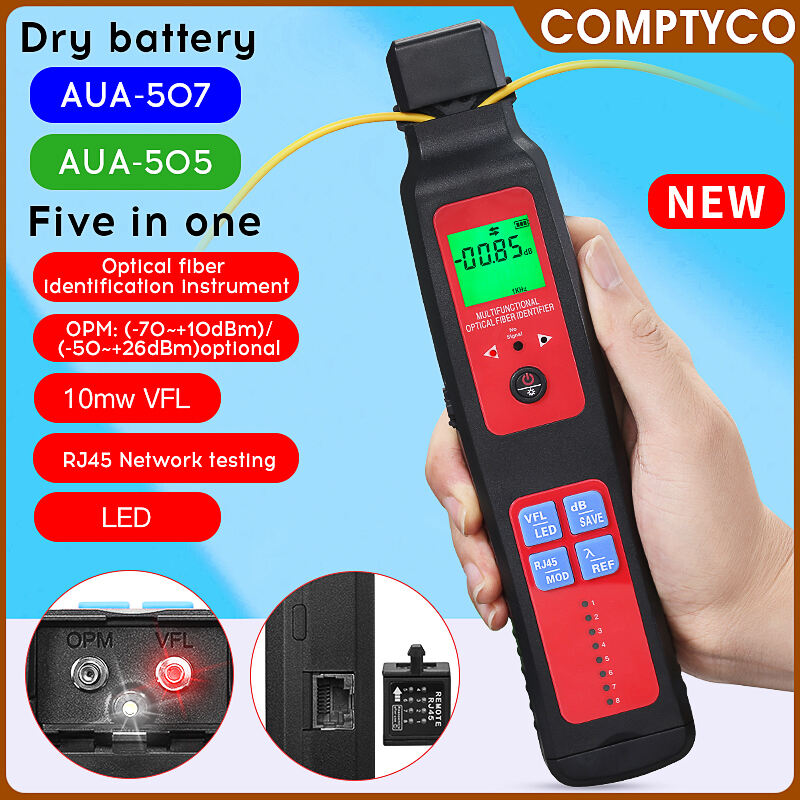
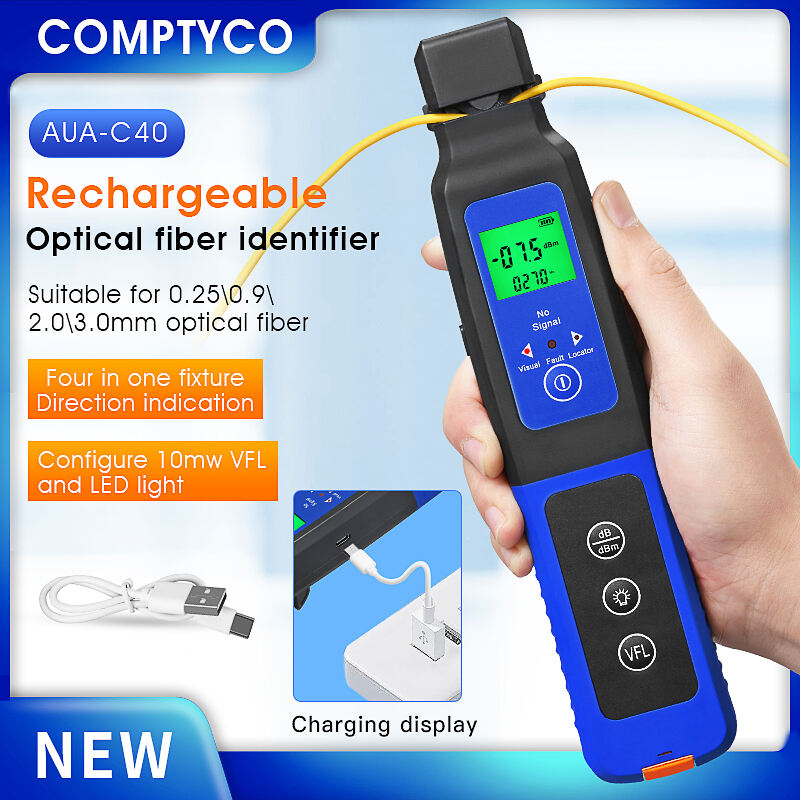
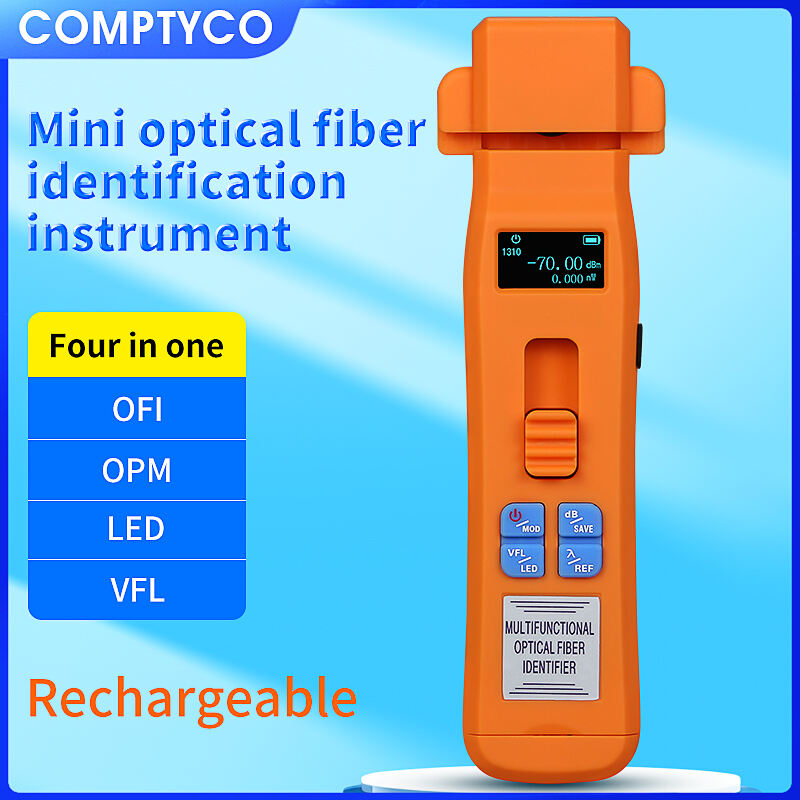
L'identificatore di luce per fibre dimostra un'eccezionale versatilità grazie alla sua completa compatibilità con diverse infrastrutture di rete in fibra e sistemi di connessione. Questa compatibilità universale elimina la necessità di utilizzare più strumenti specializzati, semplificando le scorte di attrezzature e riducendo i requisiti formativi per il personale tecnico. Il dispositivo supporta tutti i tipi standard di fibre monomodali e multimodali, inclusi i profili a indice graduato e a indice a gradino comunemente impiegati negli ambienti di telecomunicazione, data center e reti aziendali. La compatibilità con i connettori si estende a tutte le interfacce standard del settore, tra cui connettori SC, LC, ST, FC e MTP/MPO, consentendo un funzionamento senza soluzione di continuità su diverse architetture di rete e apparecchiature di diversi produttori. L'identificatore di luce per fibre è in grado di gestire varie costruzioni di cavo, dai cavi esterni a tubo libero ai cavi interni a guaina stretta, garantendo prestazioni costanti indipendentemente dal design del cavo o dall’ambiente di installazione. La compatibilità in termini di lunghezza d’onda copre l’intero spettro delle comunicazioni ottiche commerciali, supportando applicazioni multimodali a 850 nm, sistemi monomodali a 1310 nm e reti a lunga distanza a 1550 nm. Questo ampio supporto in termini di lunghezza d’onda garantisce che gli operatori possano utilizzare un singolo dispositivo su diversi segmenti di rete e generazioni tecnologiche, senza dover ricorrere ad attrezzature specializzate per ogni specifica applicazione. Il dispositivo gestisce sia configurazioni di fibra simplex che duplex, adattandosi automaticamente a diversi schemi di connessione e fornendo un riscontro appropriato per ciascuno scenario. I modelli avanzati includono impostazioni programmabili che consentono la personalizzazione per specifici tipi di rete o apparecchiature di determinati produttori, assicurando prestazioni ottimali anche in ambienti specializzati. La compatibilità si estende alle nuove tecnologie per fibre, comprese le fibre insensibili alla curvatura e applicazioni specialistiche quali le installazioni Fibra fino all’abitazione (FTTH) e gli interconnessioni ad alta densità nei data center. La conformità agli standard internazionali garantisce che l’identificatore di luce per fibre soddisfi i requisiti globali di certificazione, rendendolo utilizzabile in diverse regioni geografiche e contesti normativi. Il dispositivo mantiene prestazioni costanti su un ampio intervallo di livelli di potenza del segnale, dai sistemi di trasmissione ad alta potenza alle reti di distribuzione a bassa potenza, adattandosi automaticamente per ottimizzare la sensibilità di rilevamento. Gli accessori e i sistemi di adattatori sostituibili sul campo estendono la compatibilità a dispositivi obsoleti e a tipi specializzati di connettori, proteggendo gli investimenti già effettuati in attrezzature esistenti e consentendo al contempo l’accesso a sofisticate funzionalità di identificazione. Questo approccio di compatibilità completo riduce il costo totale di proprietà eliminando la necessità di dotarsi di più strumenti specializzati e garantendo al contempo che i team tecnici possano rispondere efficacemente a qualsiasi sfida di identificazione delle fibre che si presenti negli attuali ambienti di rete.

 EN
EN