Universal Compatibility Across Fiber Types
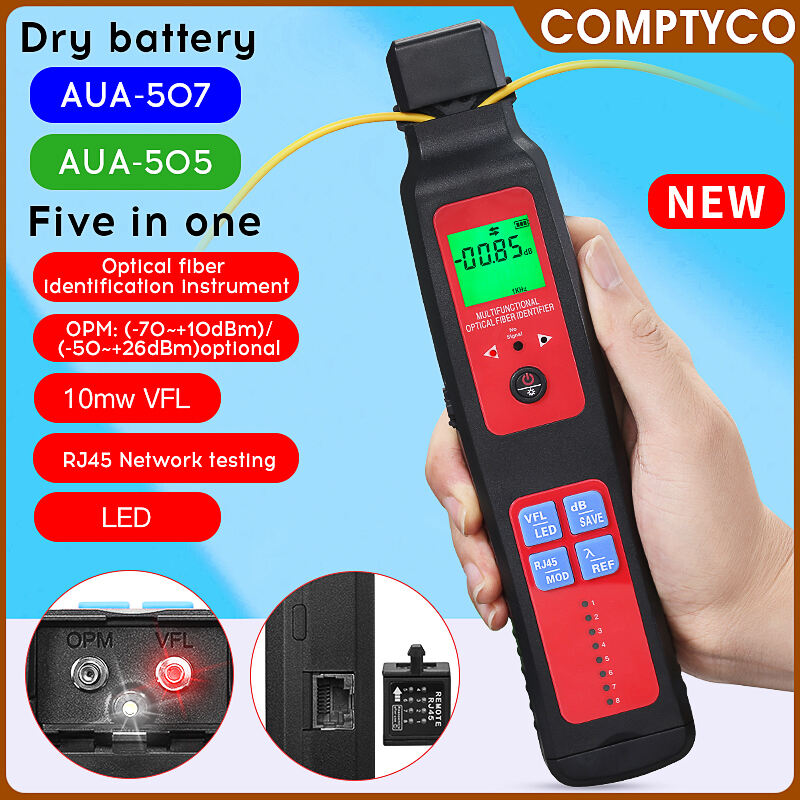
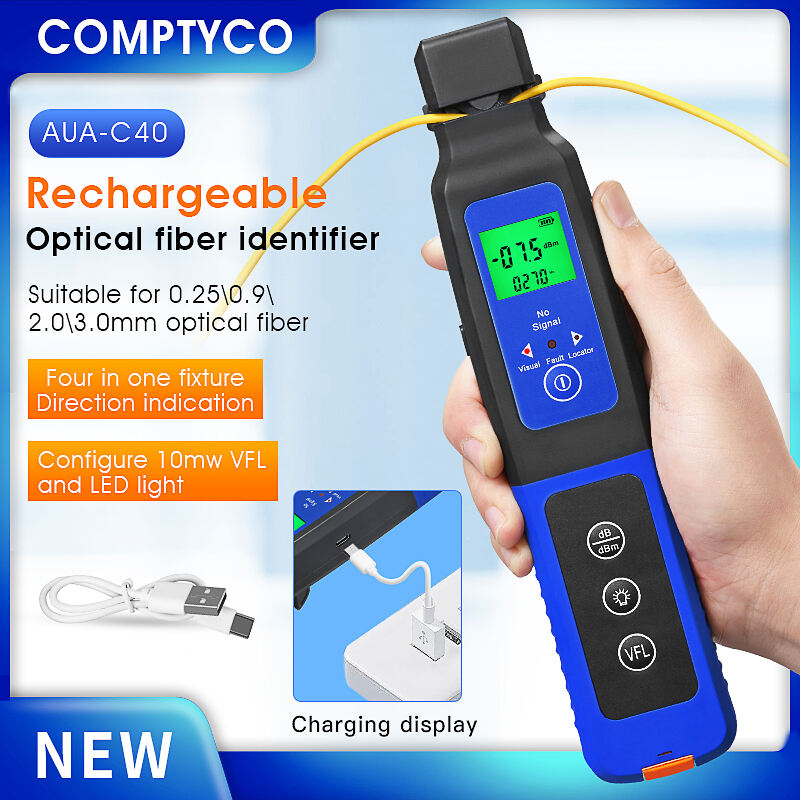
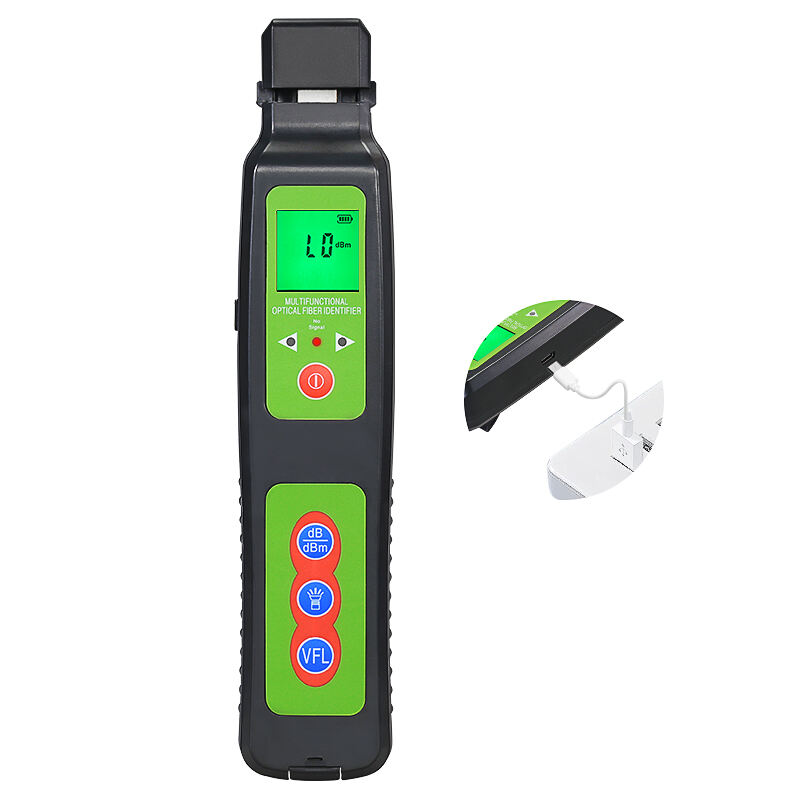
The comprehensive universal compatibility feature of the live fiber identifier establishes it as an indispensable tool capable of working seamlessly across diverse fiber optic network architectures and infrastructure configurations. This versatility encompasses compatibility with both single-mode and multimode fiber optic cables, ensuring technicians can rely on one instrument regardless of the network type they encounter in the field. The device accommodates various fiber core diameters including standard single-mode fibers at 9/125 microns and multimode variants ranging from 50/125 to 62.5/125 micron configurations commonly deployed in enterprise and campus networks. Connector compatibility extends across industry-standard interfaces including SC, LC, ST, FC, and MTP/MPO connector types, eliminating the need for multiple adapter sets or specialized tools for different connection methods. The live fiber identifier maintains consistent performance across different wavelength ranges, effectively detecting signals at common operational wavelengths including 850nm, 1310nm, 1550nm, and dense wavelength division multiplexing frequencies used in high-capacity networks. This wavelength agility ensures reliable operation with various optical transmission equipment from different manufacturers and technology generations. Cable jacket compatibility spans armored and non-armored configurations, loose tube and tight buffered constructions, and various sheathing materials commonly encountered in outside plant and premises applications. The device adapts to different fiber optic infrastructure standards including ITU-T, TIA/EIA, and IEC specifications that govern international telecommunications installations. Environmental versatility enables operation across temperature ranges and humidity conditions typical of telecommunications equipment deployments, from controlled data center environments to harsh outdoor installations. Professional technicians appreciate the flexibility to use one tool across multiple project types, reducing equipment costs and simplifying tool inventory management. The universal compatibility extends to integration with existing test equipment sets and fiber optic toolkits commonly used by installation and maintenance crews, ensuring seamless adoption into established workflows and procedures.

 EN
EN