
 EN
EN

Fiber optic networks form the backbone of modern telecommunications infrastructure, enabling high-speed data transmission across vast distances. At the heart of every reliable fiber optic installation lies precise splicing technology that ensures seamless connectivity between optical fibers. A fusion splicer represents the most advanced method for joining optical fibers, creating permanent connections through electric arc welding that delivers superior performance compared to mechanical splicing alternatives.
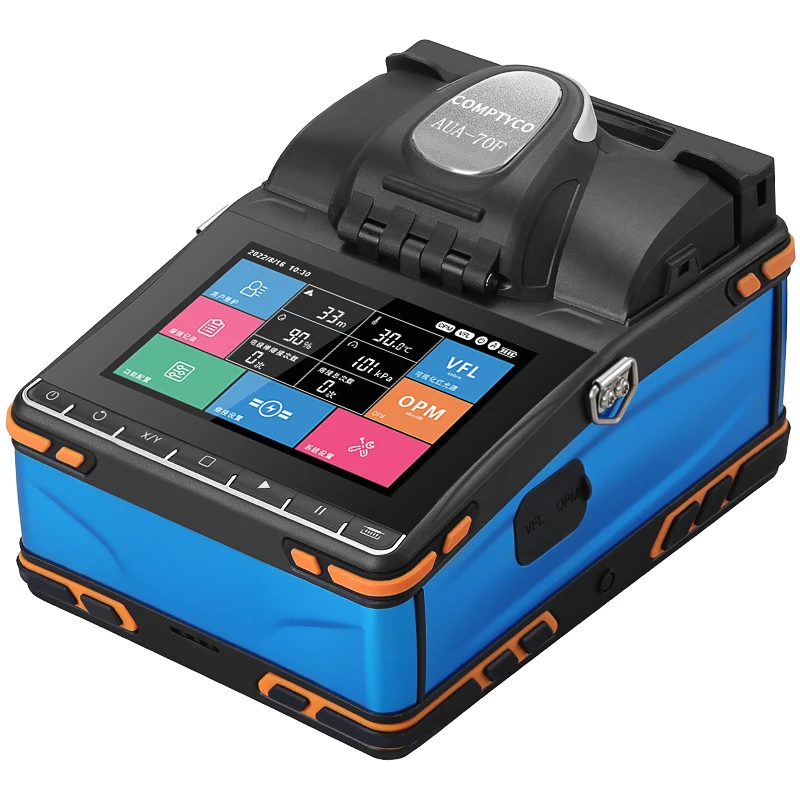
The selection of appropriate splicing equipment directly impacts network reliability, installation efficiency, and long-term maintenance costs. Professional technicians and network engineers must carefully evaluate various factors when choosing splicing solutions for their specific applications. Understanding the technical specifications, operational requirements, and environmental considerations helps ensure optimal performance throughout the network lifecycle.
Understanding Fusion Splicing Technology
Core Principles of Optical Fiber Welding
Fusion splicing operates on the fundamental principle of melting and fusing optical fiber cores using controlled electric arcs. This process creates molecular bonds between glass fibers, resulting in connections with minimal insertion loss and virtually no back reflection. The precision alignment system ensures that fiber cores match perfectly before the welding sequence begins, maintaining signal integrity across the splice point.
Modern splicing equipment incorporates advanced imaging systems that provide real-time visualization of fiber alignment and splice quality. These systems use high-magnification cameras and sophisticated algorithms to detect core misalignment, contamination, or geometric irregularities that could compromise splice performance. Automated arc calibration adjusts welding parameters based on fiber type, environmental conditions, and splice requirements.
Advantages Over Mechanical Splicing Methods
Fusion splicing delivers superior optical performance compared to mechanical alternatives, achieving typical insertion losses below 0.02 dB for single-mode applications. The permanent nature of fused connections eliminates concerns about connector degradation, moisture ingress, or mechanical stress that can affect removable connections. These characteristics make fusion splicing the preferred choice for critical telecommunications infrastructure and high-performance data networks.
The reliability advantage extends beyond initial installation performance to long-term operational stability. Fused connections maintain consistent optical characteristics across temperature variations, mechanical stress, and aging effects that might impact other connection methods. This stability reduces maintenance requirements and minimizes network downtime associated with connection failures.
Key Selection Criteria for Splicing Equipment
Splice Performance Specifications
Splice loss performance represents the most critical specification when evaluating fusion splicing equipment. Professional-grade systems typically achieve average splice losses below 0.02 dB for single-mode fibers and below 0.01 dB for multimode applications. Return loss specifications should exceed 60 dB to ensure minimal signal reflection that could interfere with network performance.
Splice time specifications directly impact installation productivity and project completion schedules. High-performance systems complete splice cycles in 6-15 seconds, including fiber preparation, alignment, welding, and proof testing phases. Fast splice times become particularly important for large-scale installations where hundreds or thousands of connections require completion within tight project timelines.
Environmental Operating Requirements
Field installation environments present unique challenges that influence equipment selection decisions. Operating temperature ranges, humidity tolerance, and vibration resistance specifications must align with expected deployment conditions. Equipment designed for outdoor installations typically operates across wider temperature ranges and includes enhanced environmental sealing compared to laboratory-grade alternatives.
Altitude compensation features ensure consistent splice quality at various elevations where atmospheric pressure variations affect arc characteristics. Wind resistance specifications become important for outdoor installations where environmental conditions might influence splice stability during the welding process. Battery life and power consumption characteristics determine operational duration between charging cycles for portable applications.
Application-Specific Requirements Analysis
Telecommunications Network Installations
Telecommunications providers require fusion splicer equipment that delivers consistent performance across diverse fiber types and installation scenarios. Long-haul network applications demand exceptional splice quality to minimize signal degradation across extended distances. Metro and access network installations prioritize operational efficiency and reliability to support rapid deployment schedules.
Network maintenance operations benefit from portable equipment with comprehensive diagnostic capabilities that enable rapid fault location and repair. Splice enclosure compatibility ensures proper integration with existing infrastructure components without requiring extensive modifications. Documentation and reporting features help maintain accurate network records for future maintenance and expansion activities.
Data Center and Enterprise Applications
Data center environments present unique requirements including space constraints, high fiber density, and stringent performance standards. Compact splicing equipment with minimal setup requirements enables efficient operation within confined spaces typical of modern data centers. High-speed splice cycles support rapid deployment schedules demanded by enterprise customers.
Enterprise network installations often involve diverse fiber types including bend-insensitive varieties that require specialized handling capabilities. Multi-fiber splicing options accelerate installation timelines for high-density applications common in data center environments. Integration with existing cable management systems ensures organized installations that support future expansion and maintenance activities.
Advanced Features and Capabilities
Automated Alignment and Calibration Systems
Contemporary splicing systems incorporate sophisticated automation features that reduce operator skill requirements and improve consistency. Automated fiber detection identifies fiber types and automatically selects appropriate splice programs from extensive libraries. Core alignment algorithms continuously monitor fiber positioning throughout the splice sequence, making real-time adjustments to maintain optimal alignment.
Self-calibration routines ensure consistent arc characteristics across varying environmental conditions and electrode wear states. These systems automatically adjust arc power, duration, and positioning based on continuous monitoring of splice quality indicators. Predictive maintenance features alert operators to electrode replacement requirements and system calibration needs before performance degradation occurs.
Quality Monitoring and Documentation
Integrated quality monitoring systems provide comprehensive splice analysis including loss estimation, tensile strength testing, and visual inspection capabilities. Real-time feedback enables immediate splice evaluation and re-splicing if quality standards are not met. Statistical analysis functions track performance trends and identify potential process improvements or equipment maintenance requirements.
Documentation capabilities support quality assurance programs and regulatory compliance requirements through detailed splice reports and photographic records. Data export functions enable integration with project management systems and customer reporting requirements. Cloud connectivity options facilitate remote monitoring and technical support for distributed installation teams.
Cost Considerations and Return on Investment
Initial Equipment Investment Analysis
Equipment acquisition costs represent only one component of total project economics when evaluating splicing solutions. Professional-grade systems command premium pricing but deliver superior performance, reliability, and operational efficiency that often justify higher initial investments. Comprehensive cost analysis should include training requirements, consumable costs, and maintenance expenses throughout the equipment lifecycle.
Financing options and lease programs provide flexible acquisition strategies that align equipment costs with project revenues. Multi-year warranty programs reduce operational risk and provide predictable maintenance costs for budget planning purposes. Trade-in programs enable equipment upgrades while recovering value from existing assets.
Operational Efficiency Benefits
High-performance splicing equipment reduces installation time through faster splice cycles, automated procedures, and reduced rework requirements. Labor cost savings often exceed equipment cost premiums for large-scale projects where productivity improvements generate substantial savings. Improved splice quality reduces callback rates and warranty claims that can significantly impact project profitability.
Training efficiency benefits result from user-friendly interfaces and automated features that reduce skill requirements for new technicians. Standardized procedures and automated quality control minimize operator errors that could compromise installation quality. These factors contribute to improved project timelines and customer satisfaction metrics.
Maintenance and Support Considerations
Preventive Maintenance Requirements
Regular maintenance schedules ensure consistent equipment performance and extend operational lifecycles. Electrode replacement intervals depend on usage patterns, environmental conditions, and splice volume requirements. Cleaning procedures for optical components and alignment systems prevent contamination-related performance degradation.
Calibration verification procedures ensure continued accuracy of alignment systems and splice parameter control. Software updates provide access to new fiber type libraries, performance improvements, and feature enhancements. Proper storage and handling procedures protect equipment during transportation and temporary storage between projects.
Technical Support and Training Services
Comprehensive training programs ensure optimal equipment utilization and consistent splice quality across installation teams. Manufacturer support services provide technical assistance, troubleshooting guidance, and repair services when equipment issues arise. Online resources including video tutorials, technical documentation, and user forums supplement formal training programs.
Regional service centers enable rapid response to equipment failures that could impact project schedules. Loaner equipment programs provide temporary replacements during repair periods to maintain project continuity. Extended warranty options provide additional protection against unexpected repair costs and equipment downtime.
FAQ
What splice loss performance should I expect from professional fusion splicing equipment
Professional-grade fusion splicing equipment typically achieves average splice losses below 0.02 dB for single-mode fibers and below 0.01 dB for multimode applications. These performance levels ensure minimal signal degradation while maintaining network reliability standards required for telecommunications and data center applications.
How do environmental conditions affect fusion splicing equipment selection
Environmental factors including temperature range, humidity levels, altitude, and vibration exposure directly influence equipment selection decisions. Outdoor installations require equipment with extended operating temperature ranges, enhanced environmental sealing, and altitude compensation features to ensure consistent performance across varying conditions.
What training requirements are necessary for fusion splicing equipment operation
Most manufacturers provide comprehensive training programs covering equipment operation, maintenance procedures, and troubleshooting techniques. Training duration typically ranges from one to three days depending on equipment complexity and operator experience levels. Ongoing certification programs ensure technicians maintain current knowledge of evolving splicing technologies.
How do I calculate the total cost of ownership for fusion splicing equipment
Total cost analysis should include initial equipment purchase price, training costs, consumable expenses, maintenance requirements, and productivity benefits. Consider splice volume requirements, project timelines, and quality standards when comparing equipment options. Factor in warranty coverage, technical support availability, and potential resale value for comprehensive cost evaluation.
Table of Contents
- Understanding Fusion Splicing Technology
- Key Selection Criteria for Splicing Equipment
- Application-Specific Requirements Analysis
- Advanced Features and Capabilities
- Cost Considerations and Return on Investment
- Maintenance and Support Considerations
-
FAQ
- What splice loss performance should I expect from professional fusion splicing equipment
- How do environmental conditions affect fusion splicing equipment selection
- What training requirements are necessary for fusion splicing equipment operation
- How do I calculate the total cost of ownership for fusion splicing equipment