Real-Time Data Logging and Analysis Features
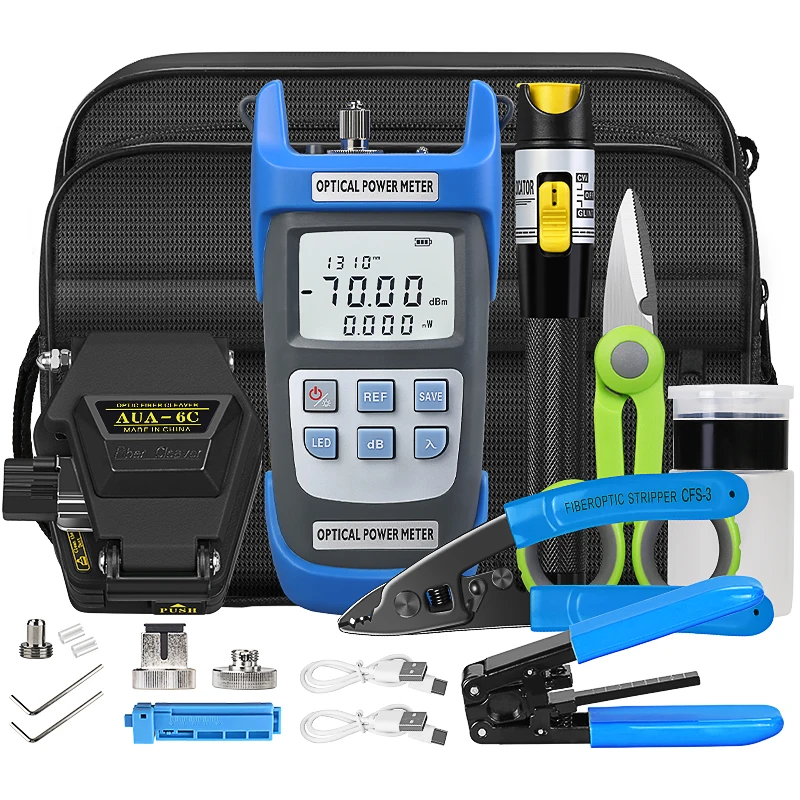
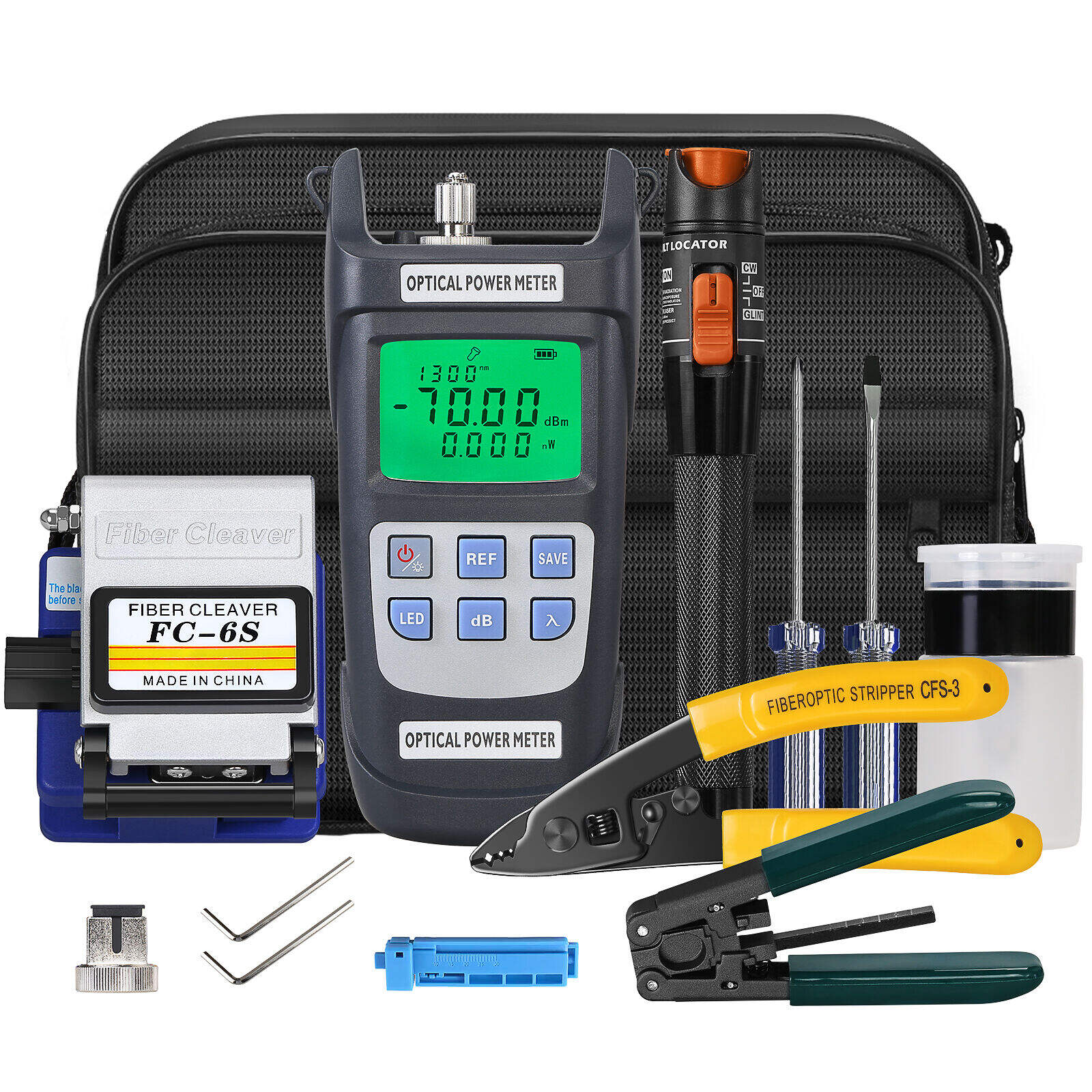
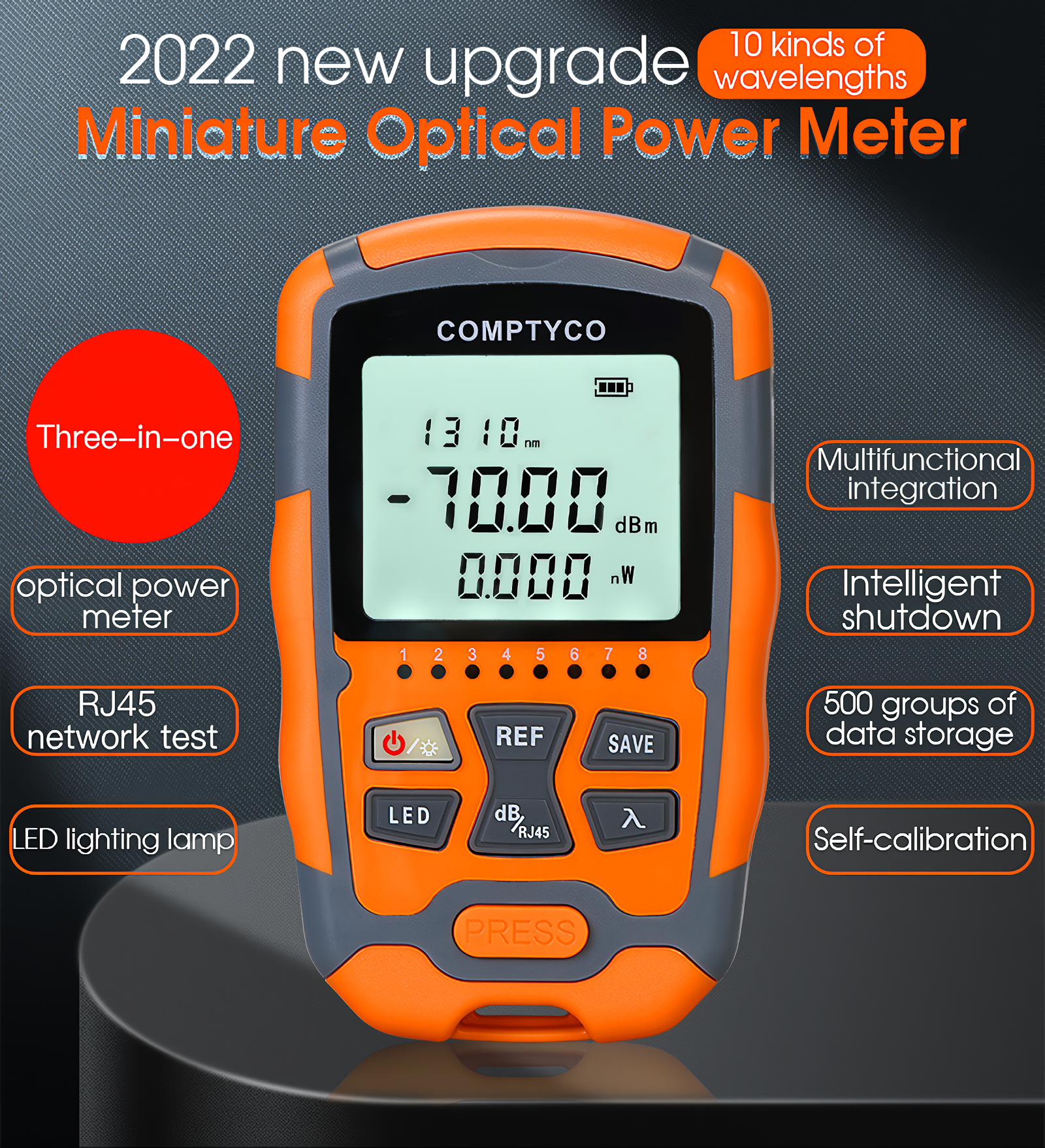
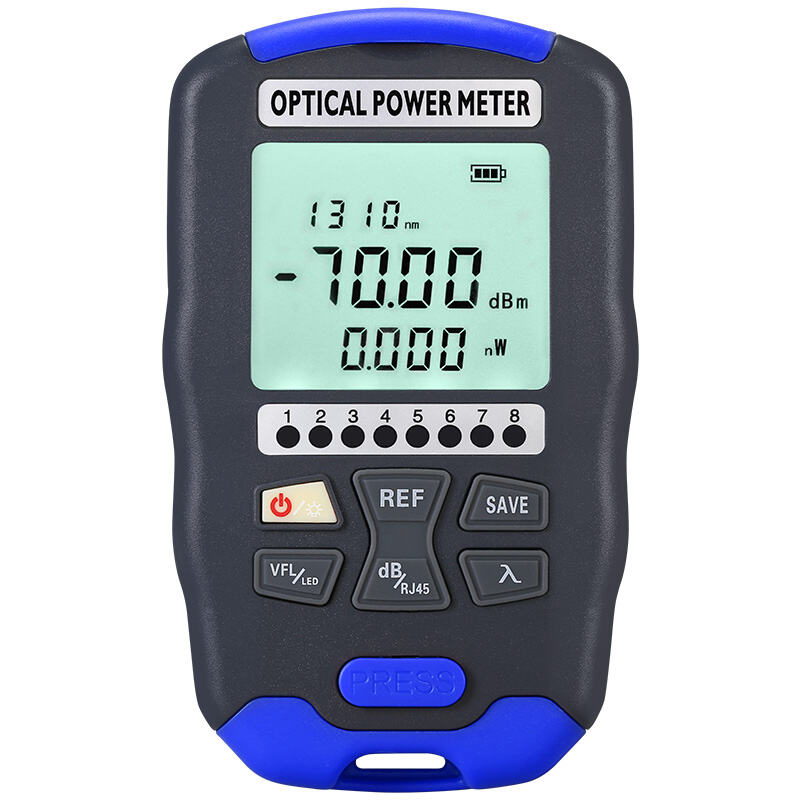
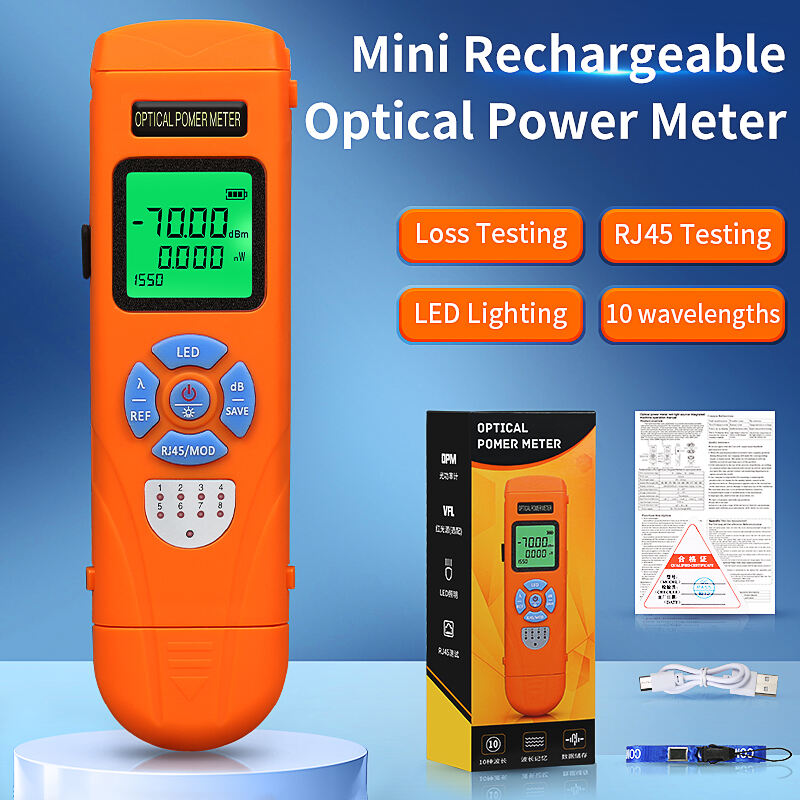
The integrated real-time data logging and analysis capabilities of contemporary light source power meters transform routine measurement tasks into comprehensive documentation and analytical processes that enhance quality control and system optimization efforts. This sophisticated feature set enables continuous monitoring and recording of optical power measurements over extended periods, providing valuable insights into system performance trends and environmental influences on optical components. The high-resolution data capture system records measurements with timestamps, enabling precise correlation between power variations and external factors such as temperature changes, mechanical stress, or component aging. Users can configure customizable sampling rates ranging from milliseconds to hours, accommodating both rapid transient measurements and long-term stability assessments. The built-in memory capacity stores thousands of measurement points, while expandable storage options support extended monitoring campaigns without data loss concerns. Advanced triggering capabilities allow automatic data collection based on user-defined conditions, such as power threshold violations or measurement intervals, ensuring critical events are captured without constant operator supervision. The analytical software provides comprehensive statistical analysis including minimum, maximum, average, and standard deviation calculations that reveal measurement stability and identify potential system issues. Graphical display options present data in various formats including real-time plots, histograms, and trend analyses that facilitate quick interpretation of complex measurement datasets. Export functions support multiple file formats compatible with popular analysis software and documentation systems, enabling seamless integration with existing quality management processes. The remote monitoring capabilities allow supervisors to access measurement data from multiple locations, supporting distributed testing operations and centralized quality control procedures. Alarm functions provide immediate notification when measurements exceed predefined limits, enabling rapid response to system anomalies. This comprehensive data management system supports regulatory compliance requirements by maintaining detailed measurement records with full traceability and audit capabilities.

 EN
EN