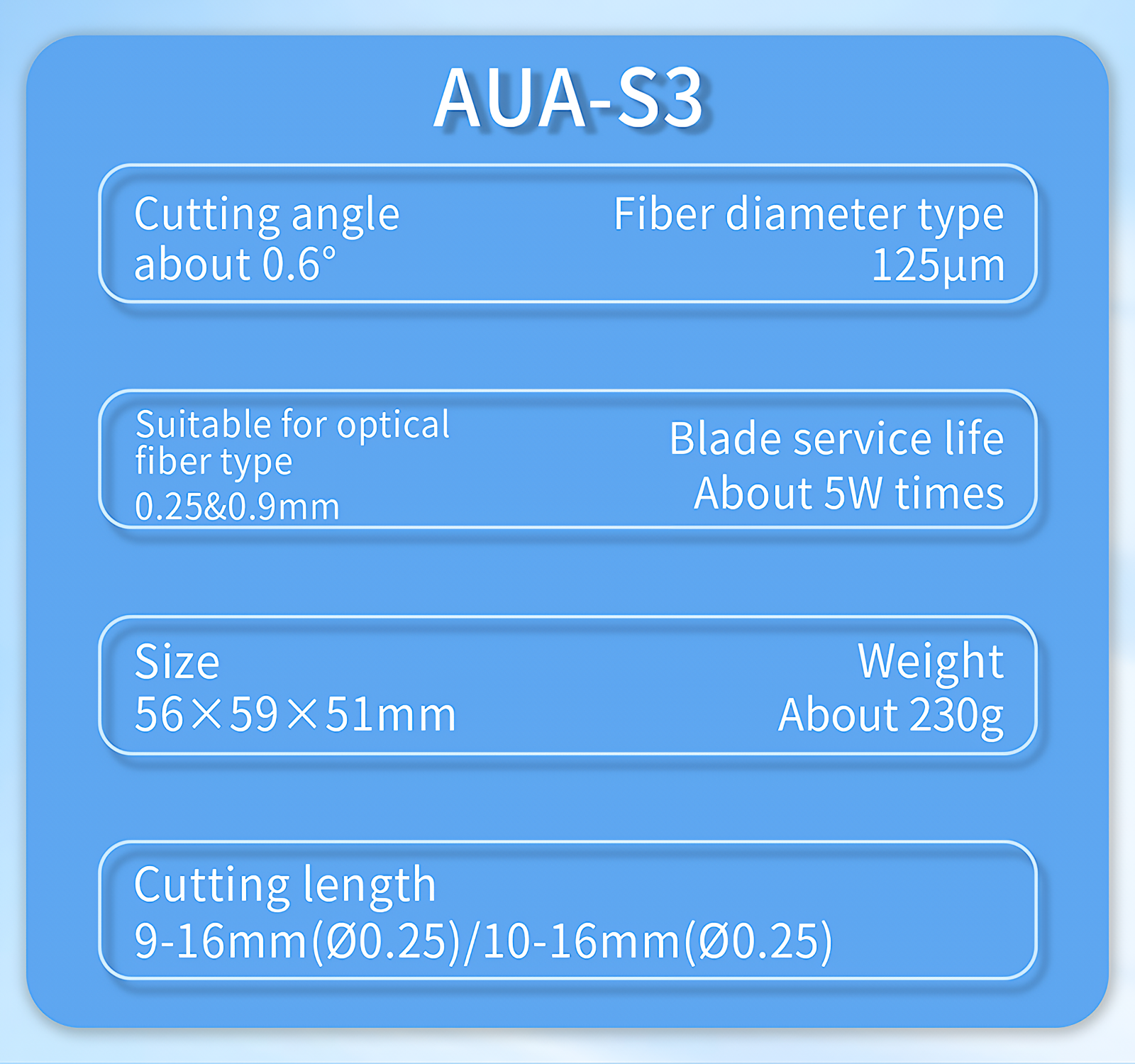
Versatile Multi-Fiber Compatibility
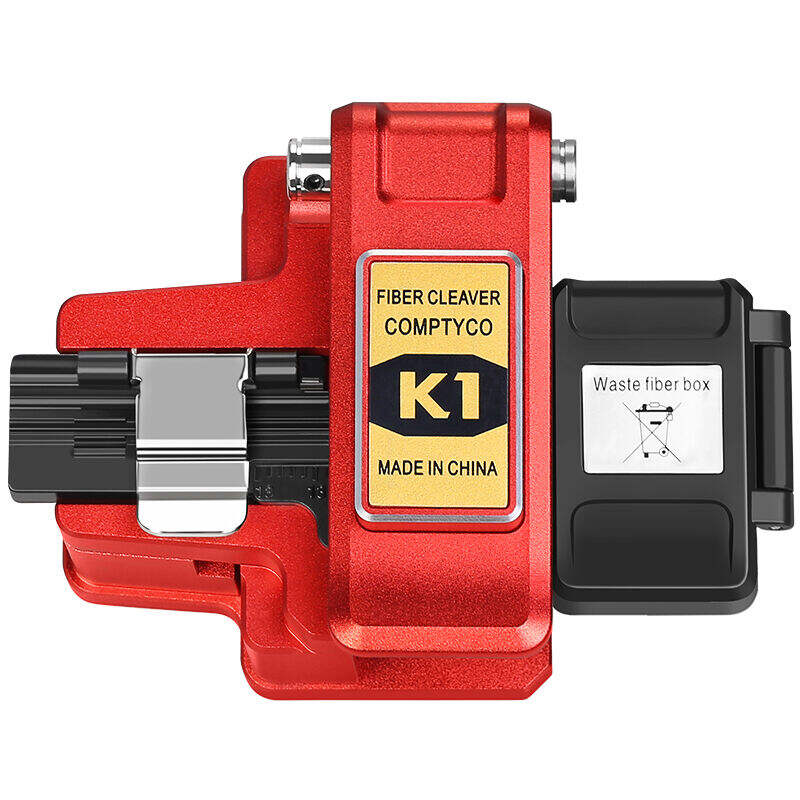
Versatile multi-fiber compatibility represents a crucial advantage of high quality fiber cleavers, enabling telecommunications professionals to handle diverse fiber types and installation requirements using a single precision cutting platform. This comprehensive compatibility extends across fiber diameter ranges from ultra-thin 80-micrometer specialty fibers to robust 900-micrometer buffered cables, accommodating both single-mode and multimode configurations without requiring separate cutting tools. Adjustable positioning systems accommodate various coating materials including acrylate, polyimide, and specialized protective coatings used in harsh environment applications, while maintaining cutting precision regardless of buffer layer thickness variations. The adaptability extends to specialty fiber types including bend-insensitive designs, high-temperature variants, and radiation-hardened fibers used in military and aerospace applications where standard cutting tools may prove inadequate. Quick-change fixture systems allow rapid reconfiguration between different fiber types during mixed installations, reducing setup time and eliminating the need for multiple specialized tools in field kits. Precision adjustment mechanisms accommodate manufacturing tolerances in fiber diameter and concentricity, ensuring optimal cutting results even with fibers that deviate from nominal specifications. The versatility proves particularly valuable in retrofit installations where existing infrastructure may incorporate legacy fiber types requiring compatibility with modern high-performance variants. Universal holding systems secure fibers of varying stiffness and flexibility, from rigid glass fibers to flexible plastic optical fibers, maintaining proper positioning throughout the cutting process. Calibration systems adapt to different glass compositions including standard silica, specialty doped variants, and emerging fiber materials designed for specific wavelength ranges or environmental conditions. Software-controlled models feature database storage for cutting parameters optimized for different fiber manufacturers and specifications, eliminating guesswork and ensuring consistent results across diverse product lines. The multi-fiber capability reduces equipment investment requirements while simplifying technician training, as operators master a single tool platform rather than multiple specialized devices for different applications.
 EN
EN