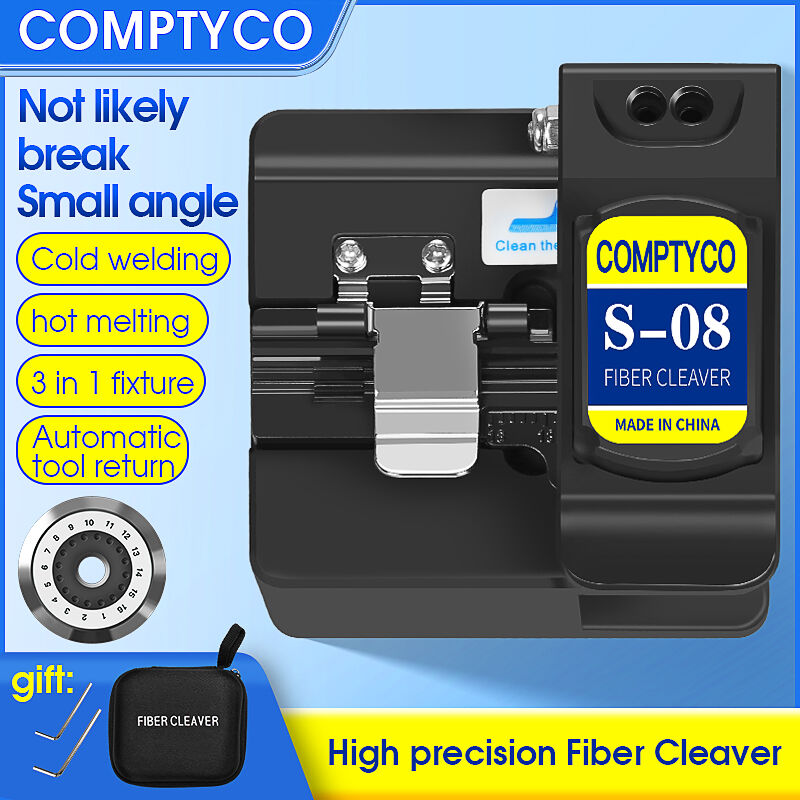
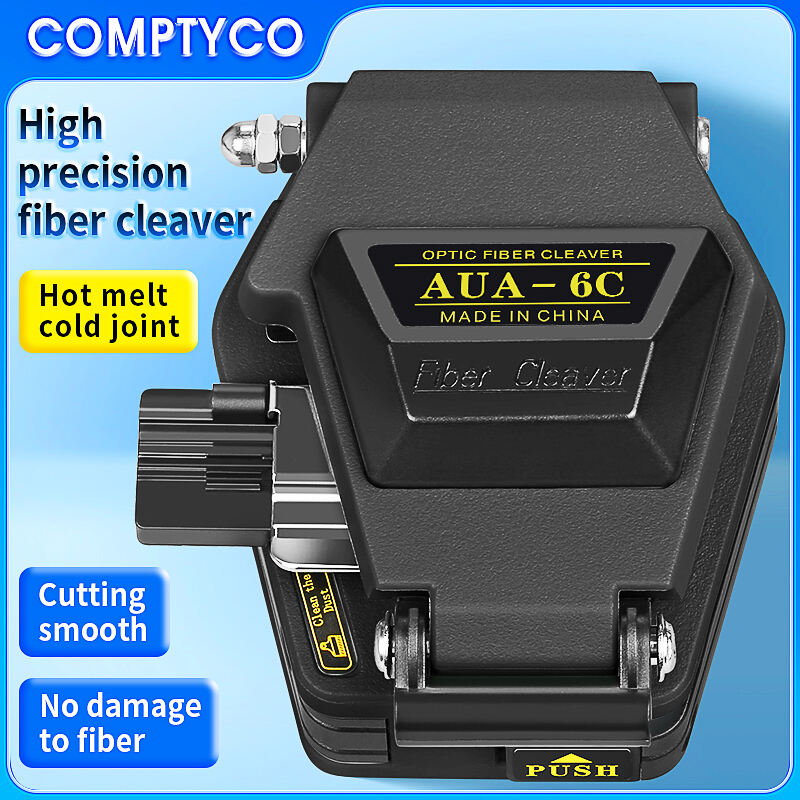
fiber cleaver tool
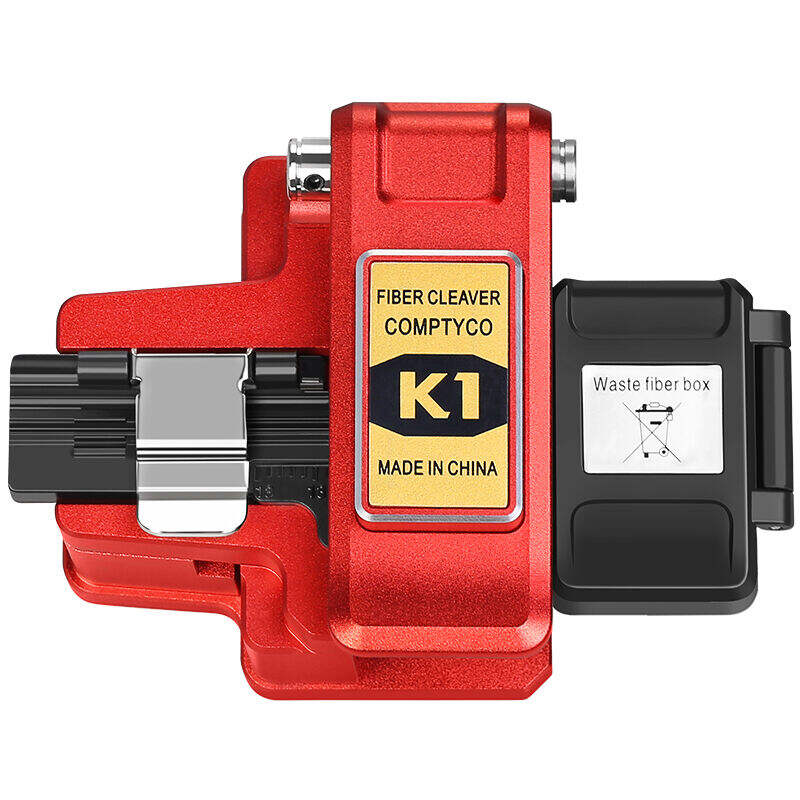
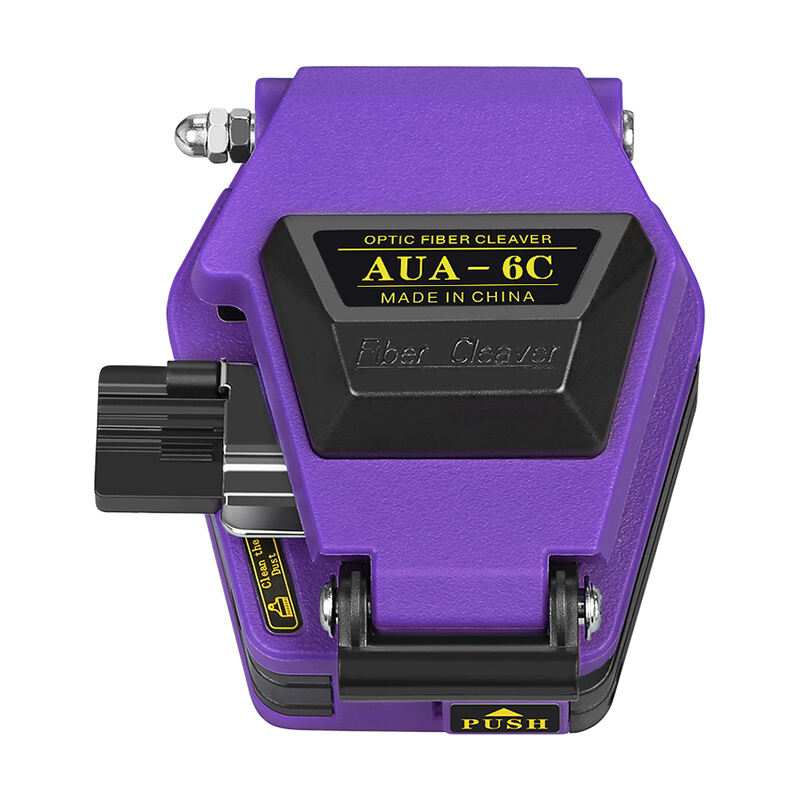
The fiber cleaver tool stands as an essential instrument in modern telecommunications and data transmission infrastructure. This precision device serves to cut optical fibers with extraordinary accuracy, creating clean, flat end faces that are crucial for optimal signal transmission. The fiber cleaver tool operates through mechanical stress concentration, applying controlled pressure at a predetermined point on the fiber to create a perfect perpendicular cut. Professional technicians rely on this tool to prepare fiber optic cables for splicing, connector installation, and network termination procedures. The fundamental design incorporates a diamond or carbide blade that scores the fiber surface, followed by a bending mechanism that propagates the crack across the entire fiber diameter. Modern fiber cleaver tools feature adjustable tension settings, allowing operators to customize cutting parameters for different fiber types including single-mode and multi-mode variants. The tool's construction typically includes a stable base platform, precision alignment guides, and protective housing to ensure consistent results while safeguarding the delicate optical components. Advanced models integrate measurement systems that verify cleave angle quality, ensuring compliance with industry standards. The fiber cleaver tool's portability makes it indispensable for field installations, emergency repairs, and laboratory applications. Its user-friendly interface reduces training requirements while maintaining professional-grade performance standards. Temperature compensation features in premium versions account for environmental variations that could affect cutting precision. The tool's blade longevity extends operational efficiency, with replaceable cutting elements designed for thousands of cleaves before requiring maintenance. Quality fiber cleaver tools incorporate anti-static materials and ergonomic designs that minimize operator fatigue during extended use periods. These instruments support various fiber diameters and coating materials, accommodating diverse installation requirements across telecommunications, medical, military, and industrial applications.

 EN
EN