
 EN
EN
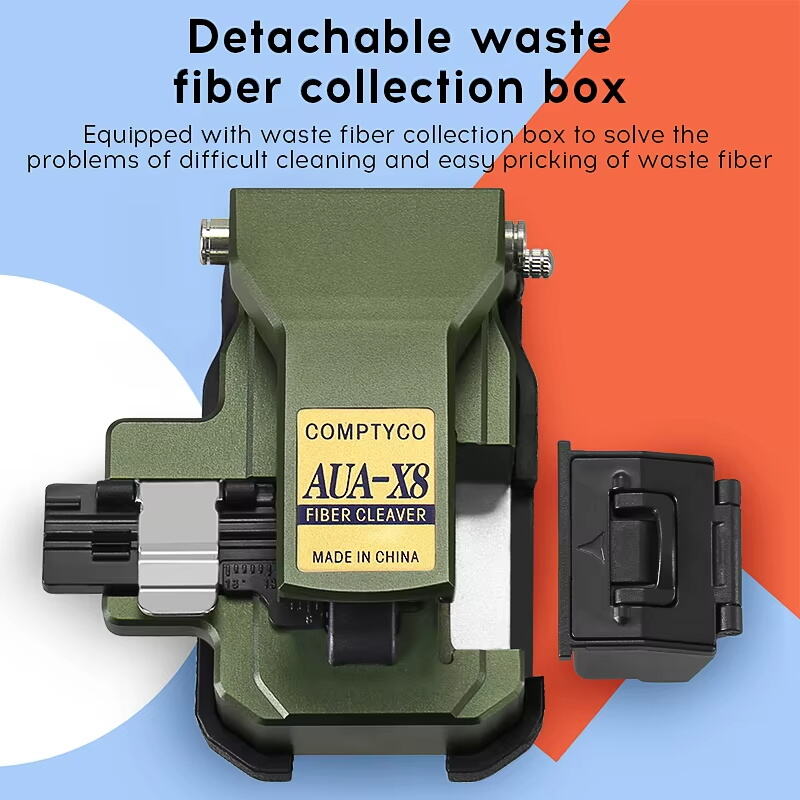
সূক্ষ্ম ও সুসংগত ফাইবার অপটিক ক্লিভ অর্জন করা কম-ক্ষতিকর ফিউশন স্প্লাইসিং এবং নির্ভরযোগ্য নেটওয়ার্ক পারফরম্যান্স নিশ্চিত করার জন্য অত্যন্ত গুরুত্বপূর্ণ। তবে, যথাযথ রক্ষণাবেক্ষণ ছাড়া এমনকি সর্বোচ্চ মানের ফাইবার ক্লিভারও সময়ের সাথে সাথে ক্ষয়প্রাপ্ত হয়। ধূলিকণা জমা হওয়া, ব্লেডের ক্ষয়, যান্ত্রিক বিপর্যয় এবং পরিবেশগত উৎসগুলি সবগুলোই ক্লিভ গুণগত মানকে ক্ষতিগ্রস্ত করতে পারে, যার ফলে স্প্লাইস ক্ষতি বৃদ্ধি পায়, ব্যর্থতার হার বেড়ে যায় এবং ব্যয়বহুল পুনরায় কাজ করতে হয়। আপনার ফাইবার ক্লিভার যথাযথভাবে রক্ষণাবেক্ষণ করার পদ্ধতি বুঝে নেওয়া প্রয়োজন, যা ল্যাবরেটরি এবং ক্ষেত্র উভয় পরিবেশেই পুনরাবৃত্তিযোগ্য ফলাফল পেতে টেকনিশিয়ানদের জন্য অপরিহার্য।
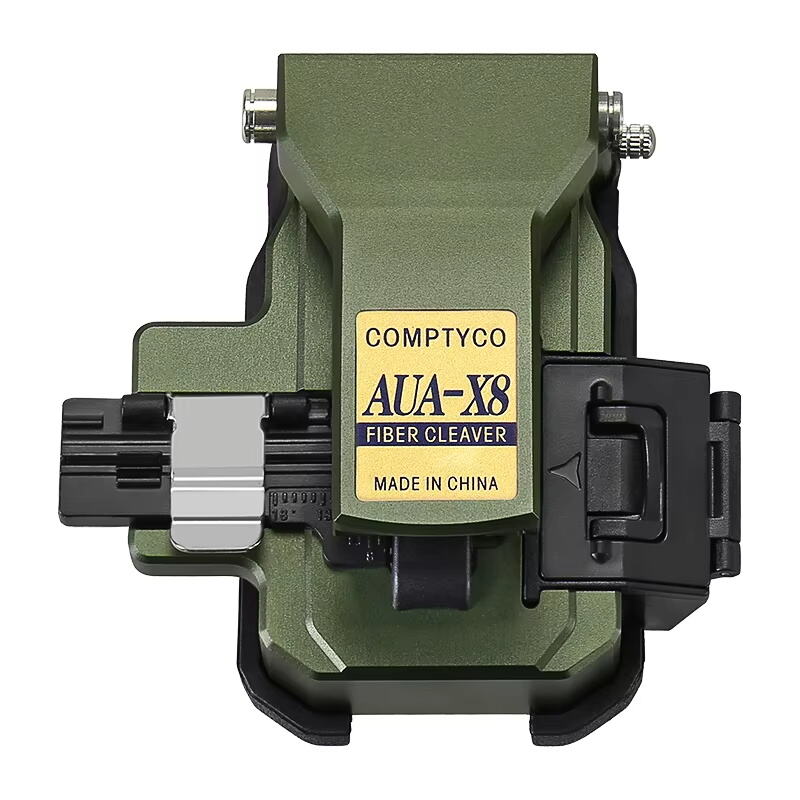
এই ব্যাপক গাইডটি আপনার ফাইবার ক্লিভারটিকে এর সম্পূর্ণ সেবা জীবন ধরে অপ্টিমাল স্তরে কাজ করতে সক্ষম রাখার জন্য প্রয়োজনীয় নির্দিষ্ট রক্ষণাবেক্ষণ পদ্ধতিগুলি ব্যাখ্যা করে। দৈনিক পরিষ্কার প্রোটোকল থেকে ব্লেড প্রতিস্থাপনের সময়সূচী, ক্যালিব্রেশন পরীক্ষা এবং সঠিক সংরক্ষণ অনুশীলন—এই বিভাগগুলিতে শিল্প মানদণ্ড এবং নির্মাতার সুপারিশ অনুযায়ী কার্যকর কারিগরি নির্দেশনা প্রদান করা হয়েছে। আপনি যদি সিঙ্গেল-মোড বা মাল্টিমোড ফাইবার, রিবন কেবল বা পৃথক ফাইবার স্ট্র্যান্ডগুলির সাথে কাজ করেন, তবে এই রক্ষণাবেক্ষণ পদ্ধতিগুলি বাস্তবায়ন করলে সরঞ্জামের আয়ু বৃদ্ধি পাবে, কার্যক্রমের খরচ কমবে এবং আধুনিক ফাইবার অপটিক নেটওয়ার্কের কঠোর প্রয়োজনীয়তা পূরণকারী সুস্পষ্ট ক্লিভ কোণ নিশ্চিত করা যাবে।
আপনার ফাইবার ক্লিভারের গুরুত্বপূর্ণ উপাদানগুলি বোঝা
ব্লেড অ্যাসেম্বলি এবং ক্লিভ গুণগত মানে এর ভূমিকা
ব্লেড হলো যেকোনো ফাইবার ক্লিভারের হৃদয়, এবং এর অবস্থা সরাসরি ক্লিভ গুণগত মান নির্ধারণ করে। অধিকাংশ প্রিসিশন ফাইবার ক্লিভারে টাংস্টেন কার্বাইড বা ডায়মন্ড ব্লেড ব্যবহার করা হয়, যা নিয়ন্ত্রিত টেনসাইল চাপ প্রয়োগের আগে ফাইবার পৃষ্ঠকে স্কোর করার জন্য ডিজাইন করা হয়। কম ক্ষতির স্প্লাইসিং-এর জন্য প্রয়োজনীয় দর্পণ-মসৃণ প্রান্ত তৈরি করতে ব্লেডের ধারটি সূক্ষ্ম স্তরে তীব্র থাকতে হবে। এমনকি সামান্য ধার ক্ষয়ও অনিয়মিততা সৃষ্টি করে, যা ইনসারশন লস বৃদ্ধি বা দুর্বল স্প্লাইস শক্তির রূপে প্রকাশিত হয়। উপযুক্তভাবে রক্ষণাবেক্ষণ করা ফাইবার ক্লিভার ব্লেড হাজার হাজার সুসংগত ক্লিভ প্রদান করতে পারে, কিন্তু শুধুমাত্র যখন এটি সাবধানতার সাথে ব্যবহার করা হয় এবং নির্মাতার নির্দেশিকা অনুযায়ী প্রতিস্থাপন করা হয়।
বিভিন্ন ফাইবার ক্লিভার মডেলে ব্লেড কনফিগারেশনের পার্থক্য থাকে, যার মধ্যে একক-অবস্থান ব্লেড, ঘূর্ণনযোগ্য বহু-অবস্থান ব্লেড এবং স্বয়ংক্রিয়ভাবে ইনডেক্স করা সিস্টেম অন্তর্ভুক্ত। কার্যকর রক্ষণাবেক্ষণের জন্য আপনার নির্দিষ্ট ব্লেড ধরনটি বোঝা অত্যাবশ্যক। বহু-অবস্থান ব্লেডগুলি টেকনিশিয়ানদের কাছে কার্যকারিতা হ্রাস পেলে নতুন কাটিং এজে ঘূর্ণন করার সুযোগ দেয়, যা কার্যকরভাবে ব্লেডের আয়ু বৃদ্ধি করে। তবে, এই সুবিধার জন্য সমস্ত অবস্থান সমানভাবে ব্যবহার করা এবং যেকোনো এজ অত্যধিক ক্ষয় না হওয়া পর্যন্ত তা প্রতিস্থাপন করার জন্য সাবধানতাপূর্ণ ট্র্যাকিং প্রয়োজন। ব্লেড অ্যাসেম্বলিতে নির্ভুল মাউন্টিং হার্ডওয়্যারও অন্তর্ভুক্ত থাকে যা সঠিক কোণের সামঞ্জস্য বজায় রাখে, সাধারণত ±০.৫ ডিগ্রির মধ্যে, যাতে ক্লিভ কোণটি শিল্প মানদণ্ড পূরণ করে।
ফাইবার অবস্থান নির্ধারণ ব্যবস্থা এবং সামঞ্জস্য সিস্টেম
সুস্পষ্ট কাটার অর্জনের জন্য ফাইবারের সঠিক অবস্থান নির্ধারণ ব্লেডের তীক্ষ্ণতার মতোই গুরুত্বপূর্ণ। ফাইবার হোল্ডার, ক্ল্যাম্পিং ব্যবস্থা এবং গাইড খাঁজগুলি একত্রে কাজ করে ফাইবারটিকে সেই নির্দিষ্ট স্থানে সুদৃঢ়ভাবে আটকে রাখে, যেখানে ব্লেডটি ফাইবারের পৃষ্ঠকে কাটবে। এই উপাদানগুলির মধ্যে যেকোনো খালি জায়গা বা বিচ্যুতি হলে কাটার কোণে পরিবর্তন ঘটে অথবা কাটা অসম্পূর্ণ হয়। কাটার প্রক্রিয়ার সময় টেনশন বল প্রয়োগ করার জন্য ব্যবহৃত রাবার প্যাডটি যথাযথ স্থিতিস্থাপকতা ও পরিষ্কারতা বজায় রাখতে হবে, কারণ ধূলিকণা জমা হওয়া বা রাবার শক্ত হয়ে যাওয়া ভাঙনের প্রসারণকে প্রভাবিত করে। এই অবস্থান নির্ধারণকারী উপাদানগুলির নিয়মিত পরিদর্শন করলে আপনার ফাইবার ক্লিভারটি উচ্চ-পরিমাণ উৎপাদন পরিবেশে প্রয়োজনীয় পুনরাবৃত্তিযোগ্যতা বজায় রাখতে পারে।
আধুনিক উচ্চ-প্রেসিশন ফাইবার ক্লিভারগুলিতে জটিল সমায়ন বৈশিষ্ট্য অন্তর্ভুক্ত করা হয়েছে, যার মধ্যে ফাইবারের উচ্চতা সেটিংস সামঞ্জস্যযোগ্য করা, পার্শ্বীয় অবস্থান নিয়ন্ত্রণ এবং স্প্রিং-লোডেড চাপ ব্যবস্থা অন্তর্ভুক্ত। এই সিস্টেমগুলির নির্দিষ্ট সীমার মধ্যে থাকা নিশ্চিত করার জন্য নিয়মিত যাচাইকরণ প্রয়োজন। ঢিলে হওয়া সামঞ্জস্য স্ক্রু, ক্ষয়প্রাপ্ত গাইড পৃষ্ঠ বা দূষিত ক্ল্যাম্পিং প্যাডগুলি সময়ের সাথে সাথে পরিবর্তনশীলতা সৃষ্টি করতে পারে যা ক্রমশ বৃদ্ধি পায়। এই উপাদানগুলি কীভাবে পরস্পরের সাথে ক্রিয়া করে তা বুঝতে পারলে টেকনিশিয়ানরা ক্লিভ গুণগত মান কমে যাওয়ার শুরুতেই মূল কারণ চিহ্নিত করতে পারেন, যার ফলে অপ্রয়োজনীয় ব্লেড প্রতিস্থাপনের পরিবর্তে লক্ষ্যযুক্ত রক্ষণাবেক্ষণ সম্ভব হয়।
হাউজিং এবং পরিবেশগত সুরক্ষা বৈশিষ্ট্য
আপনার ফাইবার ক্লিভারের সুরক্ষামূলক হাউজিংটি শুধুমাত্র সাধারণ যান্ত্রিক সুরক্ষার বাইরে একাধিক গুরুত্বপূর্ণ কাজ সম্পাদন করে। এটি ধূলিকণা, আর্দ্রতা এবং অন্যান্য দূষণকারী পদার্থ থেকে অভ্যন্তরীণ উপাদানগুলিকে রক্ষা করে, যা অন্যথায় যন্ত্রটির কার্যকারিতা ক্ষুণ্ণ করতে পারে। হাউজিংটি কঠিন গঠনগত সমর্থনের মাধ্যমে সমস্ত অভ্যন্তরীণ যান্ত্রিক ব্যবস্থার সঠিক সমায়ন বজায় রাখে। যদি ভেন্টিলেশন বৈশিষ্ট্য থাকে, তবে তা আর্দ্র পরিবেশে ঘনীভবনের সম্ভাবনা রোধ করতে অবশ্যই অবাধ রাখতে হবে। হাউজিংয়ের কোনও উপাদানে এমনকি সামান্য ক্ষতিও পরিবেশগত প্রবেশ বা যান্ত্রিক বিচ্যুতি ঘটিয়ে ফাইবার ক্লিভারের সামগ্রিক কার্যকারিতা প্রভাবিত করতে পারে।
ফিল্ড-গ্রেড ফাইবার ক্লিভারগুলিতে প্রায়শই রাবারাইজড বা শক্তিশালীকৃত হাউজিং থাকে, যা কঠোর পরিচালনা এবং তাপমাত্রার চরম অবস্থার মোকাবিলা করার জন্য নকশা করা হয়। এই সুরক্ষামূলক বৈশিষ্ট্যগুলির নিজস্ব রক্ষণাবেক্ষণের প্রয়োজন হয়, যার মধ্যে ফাটল পরীক্ষা, সিলের অখণ্ডতা যাচাই করা এবং পরিবেশগত সিলগুলির পরিষ্কার করা অন্তর্ভুক্ত। আপনার নির্দিষ্ট মডেলের পরিবেশগত রেটিং বুঝতে পারলে উপযুক্ত সংরক্ষণ ও পরিচালনা প্রোটোকল প্রতিষ্ঠা করা সম্ভব হয়। শুধুমাত্র অভ্যন্তরীণ ব্যবহারের জন্য রেট করা একটি ফাইবার ক্লিভার যখন কখনও কখনও ক্ষেত্রে ব্যবহার করা হয়, তখন তার জন্য সুরক্ষামূলক ব্যবস্থা আলাদা হবে, যা বাইরের পরিষেবার জন্য বিশেষভাবে প্রকৌশলীকৃত মডেলের তুলনায় ভিন্ন হবে।
অপ্টিমাল কার্যকারিতার জন্য দৈনিক রক্ষণাবেক্ষণ পদ্ধতি
প্রতিটি ব্যবহারের আগে ও পরে পরিষ্কার করার প্রোটোকল
ফাইবার ক্লিভারের আয়ু বৃদ্ধি করা এবং সুস্থির ফলাফল নিশ্চিত করার জন্য একটি নিয়মিত পরিষ্কারকরণ রুটিন প্রতিষ্ঠা করা হল সবচেয়ে কার্যকর রক্ষণাবেক্ষণ অনুশীলন। কোনও কাজের সেশন শুরু করার আগে, টেকনিশিয়ানদের ব্লেড অঞ্চল, ফাইবার গাইড এবং ক্ল্যাম্পিং পৃষ্ঠগুলি দৃশ্যমান দূষণের জন্য পরীক্ষা করা উচিত। আগের ক্লিভগুলি থেকে এমনকি সূক্ষ্ম কাচের কণাও ফাইবার অবস্থান বা ব্লেড যোগাযোগকে বাধা দিতে পারে। সাধারণত ফাজ-মুক্ত ওয়াইপ এবং অন্তত ৯০% ঘনত্বের আইসোপ্রোপাইল অ্যালকোহল—এই উপযুক্ত পরিষ্কারক উপকরণ ব্যবহার করে ব্লেডের ধারে সরাসরি স্পর্শ না করে যত্ন সহকারে যেকোনো ধূলিকণা অপসারণ করতে হবে। এই ব্যবহারের পূর্বে পরিষ্কারকরণ দুই মিনিটের কম সময় নেয়, কিন্তু এটি দূষণকারী পদার্থের জমাটবদ্ধ হওয়া রোধ করে, যা অন্যথায় ক্রমাগত কার্যকারিতা হ্রাসের কারণ হয়ে দাঁড়ায়।
ব্যবহারের পরে পরিষ্কার করা সমানভাবে গুরুত্বপূর্ণ এবং এতে সংগ্রহ ট্রে বা কক্ষ থেকে সমস্ত ফাইবার অবশিষ্টাংশ অপসারণ অন্তর্ভুক্ত থাকা উচিত। যদি ছোট ফাইবার টুকরোগুলি দ্রুত অপসারণ না করা হয়, তবে সেগুলি গুরুত্বপূর্ণ অঞ্চলে চলে যেতে পারে, যা সম্ভাব্যভাবে যান্ত্রিক ব্যবস্থাগুলিকে আটকে দিতে পারে বা আলোকিক পৃষ্ঠগুলিতে আঁচড় তৈরি করতে পারে। রাবার টান দেওয়ার প্যাডটি বিশেষ মনোযোগ প্রয়োজন, কারণ জমা হওয়া অবশিষ্টাংশ এর কার্যকারিতা হ্রাস করে এবং পরবর্তী ফাইবারগুলিতে দূষণ স্থানান্তর করতে পারে। অ্যাক্সেসযোগ্য না হওয়া অঞ্চলগুলি থেকে কণা অপসারণের জন্য সংকুচিত বাতাস ব্যবহার করা সাহায্য করে যা অন্যথায় প্রিসিশন ফাঁকগুলিতে আটকে থাকতে পারে। একটি ভালভাবে রক্ষণাবেক্ষণকৃত ফাইবার ক্লিভার প্রতিটি ব্যবহারের পরে পরিষ্কার করা হলে এটি সপ্তাহে মাত্র একবার পরিষ্কার করা একই মডেলের তুলনায় ধারাবাহিকভাবে উত্তম কার্যকারিতা প্রদর্শন করবে, যদিও উভয় ক্ষেত্রেই ব্লেড রক্ষণাবেক্ষণ একই হয়।
দৃশ্যমান পরিদর্শন পয়েন্টগুলি
দৈনিক দৃশ্যমান পরীক্ষা করা চিপ ব্যর্থতা ঘটানোর আগেই উদ্ভাবিত সমস্যাগুলি শনাক্ত করতে সাহায্য করে। আপনার ফাইবার ক্লিভারে একটি অন্তর্নির্মিত দেখার জানালা বা মাইক্রোস্কোপ থাকলে, প্রথমে বড় করে দেখার জন্য ব্লেডটি পরীক্ষা করুন। ধারের চিপিং, দৃশ্যমান ক্ষয় প্যাটার্ন বা ব্লেডের পৃষ্ঠে জমা হওয়া দূষণের লক্ষণগুলি খুঁজুন। পরবর্তীতে, সমস্ত গতিশীল অংশগুলি পরীক্ষা করুন যাতে সেগুলি বাঁধা না পড়ে এবং অতিরিক্ত খালি স্থান ছাড়াই মসৃণভাবে কাজ করে। ফাইবার হোল্ডারটি পার্শ্বীয় সরণ ছাড়াই দৃঢ়ভাবে বন্ধ হওয়া উচিত এবং যেকোনো সামঞ্জস্য ব্যবস্থা আটকানো ছাড়াই তাদের পূর্ণ পরিসরে মসৃণভাবে ঘুরতে হবে। এই পর্যবেক্ষণগুলি রক্ষণাবেক্ষণ লগে লিপিবদ্ধ করা আদর্শ কার্যকারিতা প্রতিষ্ঠা করতে এবং ধীরে ধীরে ঘটছে এমন পরিবর্তনগুলি শনাক্ত করতে সাহায্য করে যা অন্যথায় লক্ষ করা যেত না।
সেটিংগুলি তাদের নির্ধারিত অবস্থান থেকে বিচ্যুত হয়েছে কিনা তা যাচাই করতে ক্যালিব্রেশন মার্কিং বা নির্দেশকগুলি পরীক্ষা করুন। কিছু ফাইবার ক্লিভার মডেলে ব্লেডের অবস্থান, ফাইবারের দৈর্ঘ্য সেটিং বা কোণিক সামঞ্জস্যের জন্য রেফারেন্স মার্ক রয়েছে। যদি এই নির্দেশকগুলি মানক অবস্থান থেকে বিচ্যুতি দেখায়, তবে উৎপাদন কাজ শুরু করার আগে পুনঃক্যালিব্রেশন প্রয়োজন হতে পারে। এছাড়াও, হাউজিংয়ের বাইরের অংশটি নতুন ক্ষতি, ঢিলে ফাস্টেনার বা পরিবেশগত সিলের ক্ষয় হয়েছে কিনা তা পরীক্ষা করুন। এই সমস্যাগুলি তাড়াতাড়ি ধরা পড়লে গুরুত্বপূর্ণ প্রকল্পের সময় সরঞ্জামগুলি অকার্যকর হয়ে পড়ার মতো আরও গুরুতর সমস্যা রোধ করা যায়।
সঠিক হ্যান্ডлин্গ এবং চালনা পদ্ধতি
টেকনিশিয়ানদের ফাইবার ক্লিভারের সাথে শারীরিকভাবে কীভাবে মিথস্ক্রিয়া করা হয়, তা রক্ষণাবেক্ষণের প্রয়োজনীয়তাকে উল্লেখযোগ্যভাবে প্রভাবিত করে। সর্বদা ক্লিভিং মেকানিজমটি মসৃণ ও সচেতনভাবে চালান, এবং অভ্যন্তরীণ উপাদানগুলিকে চাপ দেওয়ার ঝুঁকি থেকে বাঁচানোর জন্য হঠাৎ বল বা আঘাত এড়িয়ে চলুন। ব্লেডটি ফাইবারের সাথে নিয়ন্ত্রিত গতির মাধ্যমে যোগাযোগ করা উচিত, হঠাৎ ভাঙার মাধ্যমে নয়। ক্ল্যাম্পিংয়ের সময় অত্যধিক বল প্রয়োগ করলে গাইড পৃষ্ঠগুলি বিকৃত হতে পারে অথবা যোগাযোগ বিন্দুগুলিতে ক্ষয় ত্বরান্বিত হতে পারে। একইভাবে, মাল্টি-পজিশন ব্লেডগুলিকে তাদের নির্ধারিত স্টপ পয়েন্টের বাইরে অত্যধিক ঘূর্ণন করা এড়িয়ে চলুন, কারণ এটি ইনডেক্সিং মেকানিজমে ক্ষতি করতে পারে।
তাপমাত্রা বিবেচনা করা যায় সঠিক কার্যকরীতা এবং রক্ষণাবেক্ষণের প্রয়োজনীয়তাও। শীতল সংরক্ষণ থেকে নেওয়া একটি ফাইবার ক্লিভার যখন উষ্ণ কর্মক্ষেত্রে আনা হয়, তখন ঘনীভবন ঘটতে পারে যা সূক্ষ্ম ফাঁকগুলিতে আর্দ্রতা প্রবেশ করায়। ব্যবহারের পূর্বে যন্ত্রপাতিকে পরিবেশের তাপমাত্রায় আসতে দেওয়া এই দূষণ রোধ করে। একইভাবে, অত্যন্ত উচ্চ তাপমাত্রায় কাজ করা লুব্রিক্যান্টের স্নিগ্ধতা এবং পলিমার উপাদানগুলির মাত্রিক স্থিতিশীলতাকে প্রভাবিত করতে পারে। আপনার নির্দিষ্ট ফাইবার ক্লিভারের কার্যকরী তাপমাত্রা পরিসর সম্পর্কে সচেতন হওয়া এবং উপযুক্ত উত্তাপন বা শীতলীকরণ সময়কাল প্রয়োগ করা তাপ-উদ্ভূত রক্ষণাবেক্ষণ সংক্রান্ত সমস্যা থেকে রক্ষা করে।
নির্ধারিত রক্ষণাবেক্ষণ এবং উপাদান প্রতিস্থাপন
ব্লেড প্রতিস্থাপনের সময় এবং পদ্ধতি
ব্লেড প্রতিস্থাপনের সময় জানা ফাইবার ক্লিভার অপারেটরদের জন্য সম্ভবত সবচেয়ে গুরুত্বপূর্ণ রক্ষণাবেক্ষণ সিদ্ধান্ত। নির্মাতারা সাধারণত প্রতিটি অবস্থানে কতগুলি ক্লিভ হওয়ার পর ব্লেড প্রতিস্থাপন করতে হবে, তা নির্দিষ্ট করেন—উচ্চ-মানের ব্লেডের ক্ষেত্রে এটি প্রায়শই ৩৬,০০০ থেকে ৪৮,০০০ ক্লিভের মধ্যে হয়ে থাকে। তবে আসল ব্লেড আয়ু ফাইবারের ধরন, কোটিং অপসারণের গুণগত মান এবং কার্যকরী পরিস্থিতির উপর নির্ভর করে ব্যাপকভাবে পরিবর্তিত হয়। সিঙ্গেল-মোড ফাইবারগুলি তাদের ছোট ব্যাসের কারণে মাল্টিমোডের তুলনায় সাধারণত কম ব্লেড ক্ষয় ঘটায়, অন্যদিকে অপ্রয়োজনীয় কোটিং অংশ অবশিষ্ট রেখে যথাযথভাবে স্ট্রিপ করা ফাইবারগুলি ব্লেডের ক্ষয়কে ব্যাপকভাবে ত্বরান্বিত করে। শুধুমাত্র ক্লিভ সংখ্যার উপর নির্ভর না করে, অভিজ্ঞ প্রযুক্তিবিদরা নিয়মিত গুণগত পরীক্ষার মাধ্যমে আসল কার্যকারিতা পর্যবেক্ষণ করেন।
ব্লেড প্রতিস্থাপনের পদ্ধতিটি নিজেই নির্ভুলতা বজায় রাখতে সাবধানতার সাথে সম্পাদন করা আবশ্যক। পুরনো ব্লেডটি অপসারণ করার আগে, সঠিক পুনঃস্থাপনের জন্য বর্তমান সেটিংস এবং সাইটিং অবস্থানগুলি ডকুমেন্ট করুন। ব্লেড মাউন্টিং এলাকাটি ভালোভাবে পরিষ্কার করুন, যাতে সার্ভিসের সময় জমা হওয়া কাচের কণা বা অবশিষ্টাংশগুলি সম্পূর্ণরূপে অপসারণ করা যায়। নতুন ব্লেডটি নির্মাতার নির্দেশিকা অনুযায়ী ইনস্টল করুন, যাতে মাউন্টিং ফাস্টেনারগুলিতে সঠিক সিটিং এবং টর্ক নিশ্চিত করা যায়। ইনস্টলেশনের পর, ফাইবার ক্লিভারটিকে উৎপাদন সেবায় ফিরিয়ে দেওয়ার আগে পরীক্ষামূলক ফাইবার ব্যবহার করে ক্যালিব্রেশন যাচাই করুন। ব্লেড ক্ষয়ের কারণে যেসব গুণগত সমস্যা ঘটে, তার অনেকগুলি আসলে ভুলভাবে ব্লেড ইনস্টল করার ফলে ঘটে, ফলে এই পদ্ধতিটি সাবধানতার সাথে সম্পাদন করা অত্যাবশ্যক।
ক্যালিব্রেশন যাচাইকরণ এবং সমন্বয়
নিয়মিত ক্যালিব্রেশন পরীক্ষা নিশ্চিত করে যে আপনার ফাইবার ক্লিভারটি কম-ক্ষতিকর স্প্লাইসিংয়ের জন্য প্রয়োজনীয় সঠিক কোণিক ও অবস্থানগত সহনশীলতা মেনে চলছে। অধিকাংশ প্রস্তুতকারকই ২,০০০ থেকে ৫,০০০ ক্লিভ প্রতি ক্যালিব্রেশন যাচাইকরণের পরামর্শ দেন, যদিও উচ্চ-ঝুঁকিপূর্ণ অ্যাপ্লিকেশনগুলিতে আরও ঘন ঘন পরীক্ষা করা প্রয়োজন হতে পারে। ক্যালিব্রেশনের মধ্যে বিশেষ ফিক্সচার ব্যবহার করে ক্লিভ কোণ যাচাই করা হয় অথবা কোণ পরিমাপের ক্ষমতা সম্পন্ন বৃদ্ধিকারক যন্ত্রের মাধ্যমে ক্লিভ করা শেষ প্রান্তগুলি পরীক্ষা করা হয়। অধিকাংশ অ্যাপ্লিকেশনের জন্য লক্ষ্য ক্লিভ কোণ হল ৯০ ডিগ্রি ±০.৫ ডিগ্রি, যেখানে বিশেষভাবে চাহিদাপূর্ণ ইনস্টলেশনগুলির জন্য আরও কঠোর সহনশীলতা প্রয়োজন হয়।
যখন ক্যালিব্রেশন ড্রিফট সনাক্ত করা হয়, তখন সমন্বয় পদ্ধতিগুলি ফাইবার ক্লিভার মডেলের উপর নির্ভর করে। কিছু ডিজাইনে ব্যবহারকারী-অ্যাক্সেসযোগ্য ক্যালিব্রেশন স্ক্রু রয়েছে, যার বিস্তারিত সমন্বয় নির্দেশাবলী টেকনিক্যাল ম্যানুয়ালে উপস্থিত থাকে। অন্যগুলির জন্য কারখানা-ভিত্তিক সেবা বা সঠিক সাইন-আপ পুনরুদ্ধার করার জন্য বিশেষায়িত ফিক্সচার প্রয়োজন। আপনার নির্দিষ্ট মডেলের ক্যালিব্রেশন ক্ষমতা ও সীমাবদ্ধতা বোঝা উপযুক্ত রক্ষণাবেক্ষণ সময়সূচী নির্ধারণে সহায়তা করে। ক্ষেত্র-বহনযোগ্য ফাইবার ক্লিভারগুলি, যেগুলি ঘন ঘন পরিবহন এবং পরিবেশগত অবস্থার পরিবর্তনের মুখোমুখি হয়, সাধারণত নিয়ন্ত্রিত পরিবেশে কাজ করা ল্যাবরেটরি যন্ত্রগুলির তুলনায় আরও ঘন ঘন ক্যালিব্রেশন যাচাইকরণের প্রয়োজন হয়। ক্যালিব্রেশন রেকর্ড রাখা সমন্বয়ের প্রয়োজনীয় সময় ভবিষ্যদ্বাণী করতে এবং গুণগত ব্যবস্থাপনা পদ্ধতির জন্য ডকুমেন্টেশন প্রদান করতে সাহায্য করে।
স滑润 এবং যান্ত্রিক রক্ষণাবেক্ষণ
ফাইবার ক্লিভারের মধ্যে চলমান উপাদানগুলির ঘর্ষণ ও ক্ষয়ক্ষতি কমাতে উপযুক্ত লুব্রিকেশন প্রয়োজন। তবে, অতিরিক্ত লুব্রিকেশন দূষণকারী পদার্থ আকর্ষণ করে এবং সম্ভাব্যভাবে অপটিক্যাল পৃষ্ঠের উপর দিয়ে সরে যেতে পারে, যা সমস্যা সৃষ্টি করে। অধিকাংশ প্রিসিশন ফাইবার ক্লিভারে বিশেষভাবে তৈরি করা লুব্রিকেন্ট ব্যবহার করা হয়, যা বিস্তৃত তাপমাত্রা পরিসরে স্থিতিশীল থাকে এবং ধ্রুব ঘর্ষণ বৈশিষ্ট্য প্রদান করে। লুব্রিকেন্টের ধরন, প্রয়োগের স্থান এবং প্রয়োগের পৌনঃপুনিকতা সংক্রান্ত নির্মাতার সুপারিশগুলি সঠিকভাবে অনুসরণ করুন। সাধারণত, লুব্রিকেশন শুধুমাত্র নির্দিষ্ট পিভট পয়েন্ট এবং স্লাইডিং মেকানিজমের জন্য প্রয়োজন হয়, ফাইবার যোগাযোগ পৃষ্ঠ বা ব্লেড অ্যাসেম্বলিগুলির জন্য নয়।
স্নেহনের পাশাপাশি, যান্ত্রিক রক্ষণাবেক্ষণের মধ্যে ফাস্টেনারগুলির টান পরীক্ষা করা, স্প্রিংগুলির সঠিক টান পরীক্ষা করা এবং সমস্ত সামঞ্জস্য ব্যবস্থার মসৃণভাবে কাজ করা নিশ্চিত করা অন্তর্ভুক্ত। ঢিলে ফাস্টেনারগুলি উপাদানগুলির গতির অনুমতি দেয়, যা ক্লিভ ফলাফলে পরিবর্তনশীলতা আনে। সময়ের সাথে দুর্বল হওয়া স্প্রিংগুলি আর ধ্রুব ক্ল্যাম্পিং বল প্রদান করে না। এই যান্ত্রিক উপাদানগুলি ধীরে ধীরে ক্ষয়প্রাপ্ত হয়, ফলে কার্যকারিতা প্রভাবিত হওয়ার আগেই সমস্যাগুলি ধরা পড়ার জন্য পদ্ধতিগত পরীক্ষা অপরিহার্য। সক্রিয় ফাইবার ক্লিভারগুলির জন্য প্রতি তিন মাস পরপর এবং মাঝে মাঝে ব্যবহৃত ইউনিটগুলির জন্য বছরে একবার একটি ব্যাপক যান্ত্রিক পরীক্ষা দীর্ঘমেয়াদী বিশ্বস্ততা বজায় রাখতে সাহায্য করে।
সংরক্ষণ এবং পরিবেশগত বিবেচনা
ব্যবহারের মধ্যবর্তী সময়ে উপযুক্ত সংরক্ষণ শর্ত
আপনি আপনার কীভাবে সংরক্ষণ করেন ফাইবার ক্লিভার ব্যবহার না করার সময় এটির অবস্থা এবং রক্ষণাবেক্ষণের প্রয়োজনীয়তাকে উল্লেখযোগ্যভাবে প্রভাবিত করে। আদর্শ সংরক্ষণ পরিবেশে স্থিতিশীল তাপমাত্রা ও আর্দ্রতা বজায় রাখা হয় এবং শারীরিক ক্ষতি ও দূষণ থেকে রক্ষা করা হয়। অধিকাংশ ফাইবার ক্লিভার পরিবহন ও সংরক্ষণের সময় এই পরিবেশ প্রদানের জন্য রক্ষণাবেক্ষণমূলক কেসের সঙ্গে পাঠানো হয়। সর্বদা এই সরঞ্জামটিকে কাজের পৃষ্ঠে ধূলিকণা জমা হওয়া বা আকস্মিক আঘাতের শিকার হওয়ার ঝুঁকি এড়াতে এর কেসে ফেরত দিন, বরং এটিকে কাজের পৃষ্ঠে খোলা অবস্থায় রাখবেন না। কেসের ভিতরে, ফাইবার ক্লিভারটিকে সঠিকভাবে সুরক্ষিত করুন যাতে এটি সরে না যায় এবং অভ্যন্তরীণ উপাদানগুলোতে চাপ না পড়ে।
সংরক্ষণের সময় তাপমাত্রা স্থিতিশীল রাখা হলে যান্ত্রিক চাপ সৃষ্টিকারী তাপীয় চক্র এবং গুরুত্বপূর্ণ উপাদানগুলির মধ্যে মাত্রিক পরিবর্তন রোধ করা যায়। ফাইবার ক্লিভারগুলি গাড়ি বা অন্যান্য স্থানে সংরক্ষণ করা এড়ান, যেখানে তাপমাত্রার চরম ওঠানামা ঘটে। আর্দ্রতা নিয়ন্ত্রণও সমানভাবে গুরুত্বপূর্ণ, কারণ আর্দ্রতা ধাতব উপাদানগুলিতে ক্ষয় সৃষ্টি করতে পারে এবং আলোকিক পৃষ্ঠগুলিতে ছত্রাকের বৃদ্ধি ঘটাতে পারে। আর্দ্র পরিবেশে সংরক্ষণ কেসগুলিতে শুষ্ককারী প্যাক রাখা আর্দ্রতা নিয়ন্ত্রণে সহায়তা করে। কয়েক মাসের অধিক সময়ের জন্য দীর্ঘমেয়াদী সংরক্ষণের ক্ষেত্রে, প্রযোজ্য হলে ব্যাটারি সরিয়ে নেওয়া এবং নির্মাতার প্রস্তাবিত উপযুক্ত সংরক্ষণ পদ্ধতি প্রয়োগ করা বিবেচনা করুন।
পরিবহন এবং ক্ষেত্রে প্রয়োগের সুরক্ষা
ক্ষেত্রে প্রয়োগের জন্য ব্যবহৃত ফাইবার ক্লিভারগুলি ল্যাবরেটরির সরঞ্জামের তুলনায় উল্লেখযোগ্যভাবে বেশি চ্যালেঞ্জিং পরিস্থিতির মুখোমুখি হয়। পরিবহনের সময় কম্পন, যানবাহনে সংরক্ষণের সময় তাপমাত্রার চরম অবস্থা এবং কাজের সাইটে ধূলিকণা সংস্পর্শ—সবগুলোই ক্ষয়কে ত্বরান্বিত করে এবং রক্ষণাবেক্ষণের প্রয়োজনীয়তা বৃদ্ধি করে। ফোম প্যাডিংযুক্ত উচ্চ-মানের সুরক্ষামূলক কেসগুলি পরিবহনের সময় যন্ত্রটিকে আঘাত ও কম্পন থেকে পৃথক করতে সাহায্য করে। তবে, কেসটি একা সমস্ত ক্ষেত্র-সংক্রান্ত ঝুঁকির বিরুদ্ধে সুরক্ষা প্রদান করতে পারে না। টেকনিশিয়ানদের ধূলিকণা বা আর্দ্র অবস্থায় যতটা সম্ভব কম সময় যন্ত্রটিকে এই পরিবেশে রাখা উচিত, এবং সেটআপ ও অপারেশন সবচেয়ে পরিষ্কার পাওয়া পরিবেশে সম্পাদন করা উচিত।
ক্ষেত্র সেটিং-এও একটি সুরক্ষিত কাজের এলাকা তৈরি করা দূষণের ঝুঁকিকে উল্লেখযোগ্যভাবে হ্রাস করে। অপ্রিয় আবহাওয়ার সময় যানবাহনের ভিতরে বা অস্থায়ী আশ্রয়ের নিচে কাজ করা সহজ ব্যবস্থাগুলি ফাইবার ক্লিভার এবং প্রস্তুতকরণাধীন ফাইবার উভয়কেই রক্ষা করে। ধূলিপূর্ণ শিল্প পরিবেশে কাজ করার সময়, সর্বোত্তম প্রতিরোধ পদক্ষেপ গ্রহণ করা সত্ত্বেও পরিষ্কার করার প্রয়োজন আরও বেশি হয়। ক্ষেত্রে ব্যবহৃত ফাইবার ক্লিভারগুলিকে সংরক্ষণে ফেরত পাঠানোর আগে প্রতিটি ব্যবহারের পর গভীরভাবে পরিষ্কার করে পরীক্ষা করা উচিত, পরবর্তী ব্যবহারের আগে অপেক্ষা করা উচিত নয়। এই অনুশীলনটি ক্ষতি বা কার্যকারিতা সংক্রান্ত সমস্যাগুলি সম্প্রতি ঘটা বিবরণগুলি মনে রাখা সহজ হওয়ার সময়েই শনাক্ত করে এবং সময়মতো রক্ষণাবেক্ষণ পরিকল্পনা করার অনুমতি দেয়।
পরিবেশগত উপাদান ব্যবস্থাপনা
পরিবেশগত কারণগুলো কীভাবে ফাইবার ক্লিভারের কার্যকারিতাকে প্রভাবিত করে, তা বোঝা টেকনিশিয়ানদের রক্ষণাবেক্ষণের প্রয়োজনীয়তা আগে থেকে অনুমান করতে এবং সুরক্ষামূলক ব্যবস্থা গ্রহণ করতে সাহায্য করে। আর্দ্রতা এর কার্যকারিতার বিভিন্ন দিককে প্রভাবিত করে, যেমন—স্ট্রিপিংয়ের সময় ফাইবার কোটিংয়ের আচরণ থেকে শুরু করে দূষক আকর্ষণকারী স্থির বৈদ্যুতিক চার্জের সঞ্চয় পর্যন্ত। খুব কম আর্দ্রতা স্থির বৈদ্যুতিক চার্জজনিত সমস্যা বাড়িয়ে দেয়, অন্যদিকে উচ্চ আর্দ্রতার কারণে পলিমার উপাদানগুলো ফুলে যেতে পারে এবং শীতল পৃষ্ঠে ঘনীভবন ঘটতে পারে। এই বিষয়গুলো সম্পর্কে সচেতন থাকলে উপযুক্ত প্রতিকারমূলক ব্যবস্থা গ্রহণ করা সম্ভব হয়, যেমন—অ্যান্টিস্ট্যাটিক ম্যাট ব্যবহার করা বা তাপমাত্রা সমান হওয়ার জন্য নির্দিষ্ট সময় দেওয়া।
উচ্চতা বিশেষায়িত অ্যাপ্লিকেশনগুলিতে ফাইবার ক্লিভারের কার্যকারিতাকেও প্রভাবিত করতে পারে। উচ্চ উচ্চতায়, হ্রাসপ্রাপ্ত বায়ুমণ্ডলীয় চাপ ক্লিভিংয়ের সময় ভাঙনের প্রসারণ বৈশিষ্ট্যকে প্রভাবিত করতে পারে, যদিও অধিকাংশ অ্যাপ্লিকেশনের জন্য এই প্রভাবটি নগণ্য। আরও গুরুত্বপূর্ণভাবে, উচ্চতা মানুষের কার্যকারিতা ও বিচারবুদ্ধিকে প্রভাবিত করে, যা হাতে নেওয়ার সময় ভুল বা রক্ষণাবেক্ষণের পদক্ষেপগুলি উপেক্ষা করার দিকে নিয়ে যেতে পারে। রাসায়নিক এক্সপোজার, বিশেষ করে আইসোপ্রোপাইল অ্যালকোহলের চেয়ে আরও সক্রিয় দ্রাবকগুলির সংস্পর্শে আসা, পলিমার উপাদান বা সুরক্ষামূলক কোটিংগুলিকে ক্ষতিগ্রস্ত করতে পারে। অনুমোদিত পরিষ্কারক এজেন্ট এবং কাজের স্থানে রাসায়নিক ব্যবস্থাপনা সম্পর্কে স্পষ্ট প্রোটোকল প্রতিষ্ঠা করা হলে সরঞ্জামগুলিকে অনিচ্ছাকৃত ক্ষতি থেকে রক্ষা করা যায়।
সাধারণ পারফɔরম্যান্স সমস্যার সমাধান
খারাপ ক্লিভ কোণের সমস্যা চিহ্নিতকরণ ও সংশোধন
যখন ক্লিভ কোণগুলি গ্রহণযোগ্য সহনশীলতার বাইরে পড়তে শুরু করে, তখন ব্যবস্থিত রোগ নির্ণয় পদ্ধতি মূল সমস্যার কারণ চিহ্নিত করে এবং সংশোধনমূলক ব্যবস্থা গ্রহণে নির্দেশনা প্রদান করে। প্রথমে বড় আকারের বিবরণে কয়েকটি পরপর ক্লিভ করা ফাইবার প্রান্তের মুখগুলি পরীক্ষা করুন, যাতে সমস্যাটি স্থায়ী না হয় অথবা আবহমান হয়—এটি নির্ধারণ করা যায়। স্থায়ী কোণিক বিচ্যুতি ক্যালিব্রেশন বিচ্যুতি বা ব্লেডের অবস্থান ত্রুটির ইঙ্গিত দেয়, অন্যদিকে আবহমান সমস্যাগুলি প্রায়শই দূষণ বা ফাইবার অবস্থানের পরিবর্তনশীলতার নির্দেশ করে। ফাইবারের সমস্ত যোগাযোগ পৃষ্ঠগুলি সম্পূর্ণরূপে পরিষ্কার করুন এবং পরিজ্ঞাত ভালো ফাইবার নমুনা ব্যবহার করে পরীক্ষামূলক ক্লিভ করার চেষ্টা করুন। যদি পরিষ্কার করার পরেও সমস্যাটি অব্যাহত থাকে, তবে ব্লেডের অবস্থা বা যান্ত্রিক সামঞ্জস্য সংক্রান্ত সমস্যাগুলি প্রধান সন্দেহভাজন হয়ে ওঠে।
ব্লেড-সম্পর্কিত কোণের সমস্যাগুলি সাধারণত হঠাৎ পরিবর্তনের চেয়ে ধীরে ধীরে অবনতির মাধ্যমে প্রকাশ পায়। কাটার ধার ক্ষয়প্রাপ্ত হলে, এটি আদর্শ ভাঙন প্রসারণের জন্য প্রয়োজনীয় নির্দিষ্ট গভীরতায় আর ফাইবার পৃষ্ঠকে কাটতে পারে না। এর ফলে ক্লিভ কোণ লম্ব থেকে সামান্য বিচ্যুত হতে পারে। যদি ব্লেড প্রতিস্থাপন কোণের সমস্যা সমাধান না করে, তবে যান্ত্রিক সামঞ্জস্য সংক্রান্ত সমস্যাগুলির দিকে মনোযোগ দেওয়া আবশ্যক। ঢিলে ব্লেড মাউন্টিং, ক্ষয়প্রাপ্ত ফাইবার গাইড পৃষ্ঠ, বা ক্ষতিগ্রস্ত টেনশনিং ব্যবস্থা—সবগুলোই কোণিক বিচ্যুতির কারণ হতে পারে। ক্ষেত্রে সামঞ্জস্যযোগ্য প্যারামিটারগুলির বাইরে জটিল সামঞ্জস্য সমস্যার ক্ষেত্রে কারখানা সেবা পরামর্শ নেওয়া প্রয়োজন হতে পারে।
অসম্পূর্ণ বা ভাঙা ক্লিভগুলির সমাধান
অসম্পূর্ণ ক্লিভ, যেখানে ফাইবারটি সম্পূর্ণরূপে বিচ্ছিন্ন হয় না অথবা খাঁজযুক্ত প্রান্ত তৈরি করে, তা ব্রেক প্রোপাগেশনের সমস্যার নির্দেশ করে। এটি সাধারণত ফাইবার পৃষ্ঠে দূষণ, পর্যাপ্ত টেনশন বল প্রয়োগ না করা বা ব্লেডের ক্ষতির কারণে ঘটে। ট্রাবলশুটিং শুরু করুন ফাইবার প্রস্তুতির গুণগত মান যাচাই করে, নিশ্চিত করে যে কোটিংটি সম্পূর্ণরূপে অপসারণ করা হয়েছে এবং গ্লাস পৃষ্ঠটি পরিষ্কার। অবশিষ্ট কোটিং উপাদান বা পরিষ্কারক দ্রবণ ব্লেডের সঠিক যোগাযোগ প্রতিরোধ করতে পারে অথবা ব্রেক প্রোপাগেশনে বাধা দিতে পারে। ফাইবার ক্লিভারের টেনশনিং মেকানিজমটি সঠিকভাবে কাজ করছে কিনা তা পরীক্ষা করা উচিত, যার মধ্যে রাবার প্যাডের অবস্থা এবং স্প্রিং টেনশন অন্তর্ভুক্ত।
ব্লেডের অবস্থা সম্পূর্ণকরণ হারকে উল্লেখযোগ্যভাবে প্রভাবিত করে। একটি চিপড বা অত্যধিক ক্ষয়প্রাপ্ত ব্লেড ধার ফাইবারটিকে যথেষ্ট গভীরভাবে কাটতে পারে না, যার ফলে সুসংগত ভাঙন ছড়ানো শুরু হয় না। তবে, অত্যধিক আক্রমণাত্মক ব্লেড যোগাযোগও সমস্যা সৃষ্টি করতে পারে, কারণ এটি অত্যধিক গভীর কাট তৈরি করে যা অনিয়মিতভাবে ছড়ায়। অপটিমাল ভারসাম্য খুঁজে পেতে হলে আপনার নির্দিষ্ট ফাইবার ক্লিভারের সামঞ্জস্য ক্ষমতা বোঝা এবং নির্মাতার নির্দেশনা অনুসরণ করা আবশ্যক। পরিবেশগত উৎস, বিশেষ করে তাপমাত্রার চরম পরিস্থিতি, কাচের ভাঙনের বৈশিষ্ট্যকেও প্রভাবিত করতে পারে এবং স্বাভাবিক তাপমাত্রা পরিসরের বাইরে কাজ করার সময় কার্যক্রমগত সামঞ্জস্য প্রয়োজন হতে পারে।
অসুসংগত ক্লিভ দৈর্ঘ্যের সমস্যা সমাধান
স্প্লাইসিং অপারেশনগুলির দক্ষতা এবং সঠিক কানেক্টর অ্যাসেম্বলির জন্য ধ্রুব ক্লিভ দৈর্ঘ্য অর্জন করা অত্যাবশ্যক। যখন ফাইবারটি সাবধানে সন্নিবেশ করার পরেও ক্লিভ দৈর্ঘ্য পরিবর্তনশীল হয়ে ওঠে, তখন কয়েকটি রক্ষণাবেক্ষণ-সংক্রান্ত কারণ এর জন্য দায়ী হতে পারে। ফাইবার স্টপ মেকানিজম বা দৈর্ঘ্য রেফারেন্স পয়েন্ট ধূলিকণা জমা হওয়া বা যান্ত্রিক ক্ষয়ের কারণে সরে গেছে হতে পারে। এই রেফারেন্স পৃষ্ঠগুলি সাবধানে পরিষ্কার করুন এবং ক্যালিব্রেশন বিশেষকরণের সাথে তাদের অবস্থান যাচাই করুন। ক্লিভিংয়ের সময় পার্শ্বীয় সরণ সক্ষম করে এমন ক্ষয়প্রাপ্ত ফাইবার গাইডগুলি দৈর্ঘ্য পরিবর্তনেরও কারণ হতে পারে, কারণ ফাইবারটি ভাঙ্গার সময় সম্পূর্ণ সোজা থাকে না।
অপারেটরের কৌশল দৈর্ঘ্যের সামঞ্জস্যতা প্রভাবিত করে, ফলে সরঞ্জাম-সংক্রান্ত সমস্যা এবং পদ্ধতিগত সমস্যার মধ্যে পার্থক্য করা গুরুত্বপূর্ণ। ফাইবার প্রবেশ করানোর বল বা ক্ল্যাম্পিং ও ক্লিভিংয়ের মধ্যবর্তী সময়ের অসামঞ্জস্যতা এমনকি সম্পূর্ণ রক্ষণাবেক্ষণকৃত সরঞ্জাম ব্যবহার করেও দৈর্ঘ্য পরিবর্তন ঘটাতে পারে। সঠিক অপারেটিং পদ্ধতি পর্যালোচনা করা এবং সুসঙ্গত কৌশল নিশ্চিত করা প্রায়শই স্পষ্ট সরঞ্জাম-সংক্রান্ত সমস্যাগুলি সমাধান করে। যখন সরঞ্জাম-সংক্রান্ত সমস্যা নিশ্চিত হয়, তখন ফাইবার ক্লিভারের দৈর্ঘ্য সেটিংস পুনরায় ক্যালিব্রেট করা বা ক্ষয়প্রাপ্ত গাইড উপাদানগুলি প্রতিস্থাপন করা প্রয়োজন হতে পারে। দৈর্ঘ্য পরিমাপের বিস্তারিত রেকর্ড রাখা রক্ষণাবেক্ষণ সংক্রান্ত সিদ্ধান্ত গ্রহণে প্রবণতা চিহ্নিত করতে সাহায্য করে।
প্রায়শই জিজ্ঞাসিত প্রশ্নাবলী
আমার ফাইবার ক্লিভারের ব্লেডটি কত ঘন ঘন প্রতিস্থাপন করা উচিত?
ব্লেড প্রতিস্থাপনের সময় নির্ভর করে বিভিন্ন ফ্যাক্টরের উপর, যেমন— ফাইবারের ধরন, ক্লিভ পরিমাণ এবং গুণগত মানদণ্ড। অধিকাংশ উচ্চ-মানের ফাইবার ক্লিভার ব্লেডকে ৩৬,০০০ থেকে ৪৮,০০০ ক্লিভ প্রতি পজিশনের জন্য নির্দিষ্ট করা হয়, কিন্তু প্রকৃত কার্যকারিতা অপারেটিং অবস্থার উপর নির্ভর করে পরিবর্তিত হয়। সিঙ্গেল-মোড ফাইবার মাল্টিমোডের তুলনায় কম ক্ষয় সৃষ্টি করে, এবং সঠিকভাবে পরিষ্কার করা ফাইবারগুলি অবশিষ্ট কোটিং দূষণযুক্ত ফাইবারের তুলনায় ব্লেডের আয়ু বৃদ্ধি করে। শুধুমাত্র ক্লিভ গণনার উপর নির্ভর না করে, নিয়মিত পরীক্ষা-নিরীক্ষার মাধ্যমে প্রকৃত ক্লিভ গুণগত মান পর্যবেক্ষণ করুন। যখন আপনি সঠিক পরিষ্কার সত্ত্বেও খারাপ ক্লিভ কোণ, অসমতল শেষ পৃষ্ঠ বা অসম্পূর্ণ ভাঙনের ঘটনা বৃদ্ধি পাওয়া শুরু করেন, তখন সম্ভবত ব্লেড প্রতিস্থাপন করা প্রয়োজন। অনেক ফাইবার ক্লিভারে ১২ থেকে ১৬টি ব্লেড পজিশন সম্ভব করে দেওয়া মাল্টি-পজিশন রোটেটেবল ব্লেড ব্যবহার করা হয়, যা কার্যকরভাবে সার্ভিস লাইফকে বৃদ্ধি করে। প্রতিস্থাপনের সময় ভবিষ্যদ্বাণী করতে এবং অপারেশনাল বিলম্ব এড়াতে বিস্তারিত ব্যবহার লগ রাখুন এবং স্পেয়ার ব্লেড স্টক রাখুন।
আমি কি আমার ফাইবার ক্লিভারে যেকোনো ক্লিনিং সলিউশন ব্যবহার করতে পারি?
না, সংবেদনশীল উপাদানগুলিকে ক্ষতিগ্রস্ত না করার জন্য প্রিসিশন ফাইবার ক্লিভারগুলিতে শুধুমাত্র নির্দিষ্ট পরিষ্কারক ব্যবহার করা উচিত। অধিকাংশ ফাইবার ক্লিভার মডেলের জন্য মানক সুপারিশকৃত পরিষ্কারক হল ৯০% বা তার বেশি ঘনত্বের আইসোপ্রোপাইল অ্যালকোহল। এই ঘনত্বটি দ্রবণীয় দূষণকারী পদার্থগুলিকে কার্যকরভাবে দ্রবীভূত করে যাতে কোনো অবশিষ্টাংশ না থাকে এবং দ্রুত বাষ্পীভূত হয়ে আর্দ্রতা-সম্পর্কিত সমস্যা রোধ করে। অ্যাসিটোন, তীব্র দ্রাবক বা তেল বা সুগন্ধি যুক্ত পরিষ্কারক ব্যবহার করা এড়ানো উচিত, কারণ এগুলি পলিমার উপাদানগুলিকে ক্ষতিগ্রস্ত করতে পারে, অপটিক্যাল পৃষ্ঠে অবশিষ্টাংশ রেখে দিতে পারে অথবা সুরক্ষামূলক কোটিংগুলিকে ক্ষতিগ্রস্ত করতে পারে। কখনও ব্লেডের ধারে সরাসরি পরিষ্কারক প্রয়োগ করবেন না, কারণ এটি ক্ষয় সৃষ্টি করতে পারে অথবা সুরক্ষামূলক চিকিৎসা সরিয়ে ফেলতে পারে। পরিবর্তে, অ্যালকোহল লিন্ট-মুক্ত ওয়াইপে প্রয়োগ করুন এবং ব্লেডের চারপাশে সাবধানে পরিষ্কার করুন। সবসময় আপনার নির্দিষ্ট ফাইবার ক্লিভারের প্রযুক্তিগত ডকুমেন্টেশন পরামর্শ করুন যাতে অনুমোদিত পরিষ্কারক উপকরণগুলি সম্পর্কে জানা যায়, কারণ কিছু বিশেষায়িত মডেলের বিশেষ প্রয়োজনীয়তা বা বিধিনিষেধ থাকতে পারে।
আমার ফাইবার ক্লিভার পরিষ্কার করার পরেও অসঙ্গতিপূর্ণ ফলাফল কেন দেয়?
গভীরভাবে পরিষ্কার করার পরেও অসঙ্গতিপূর্ণ কার্যকারিতা সাধারণত যান্ত্রিক ক্ষয়, ক্যালিব্রেশন বিচ্যুতি বা ব্লেডের ক্ষয় নির্দেশ করে, দূষণ নয়। প্রথমে ফাইবার অবস্থান নির্ধারণ ব্যবস্থাটি পরীক্ষা করুন—যেখানে ক্ষয়প্রাপ্ত গাইড পৃষ্ঠ, ঢিলে হওয়া ক্ল্যাম্পিং উপাদান বা ক্ষয়প্রাপ্ত রাবার টেনশনিং প্যাড থাকতে পারে। এই উপাদানগুলি সময়ের সাথে সাথে খেলার মতো ফাঁক (play) তৈরি করতে পারে অথবা প্রয়োজনীয় টান হারাতে পারে, যার ফলে পরিবর্তনশীলতা দেখা দেয় যা পরিষ্কার করে দূর করা সম্ভব নয়। ক্যালিব্রেশন পরীক্ষা করতে বিবর্ধন যন্ত্রের সাহায্যে কাটা ফাইবারের শেষ প্রান্তের মুখটি পরীক্ষা করুন এবং দেখুন কোণগুলি নির্দিষ্ট সীমার মধ্যে রয়েছে কিনা। যদি কোণগুলি বিচ্যুত হয়ে থাকে, তবে পুনঃক্যালিব্রেশন বা ব্লেডের অবস্থান সামঞ্জস্য করা প্রয়োজন হতে পারে। ব্লেডটি নিজ সেবা আয়ুর শেষ পর্যায়ে পৌঁছে গেছে, বিশেষ করে যদি আপনার ফাইবার ক্লিভারটি ঘন ঘন ব্যবহার করা হয়ে থাকে। ব্লেডটি যদিও পরিষ্কার দেখায়, তবুও ধারের ক্ষয় ক্রমাগত কার্যকারিতা হ্রাস ঘটায়। তাপমাত্রার চরম মাত্রা বা আর্দ্রতা সহ পরিবেশগত কারণগুলিও সামঞ্জস্যহীনতা প্রভাবিত করতে পারে, যা ফাইবার ভাঙনের বৈশিষ্ট্যগুলিকে প্রভাবিত করে অথবা নির্ভুল উপাদানগুলিতে মাত্রাগত পরিবর্তন ঘটায়। পরিবর্তনশীল কারণগুলিকে একে একে বাদ দিয়ে পদ্ধতিগত ট্রাবলশুটিং সাধারণত মূল কারণটি চিহ্নিত করে।
পেশাদার পরিষেবা গ্রহণ করা কি আবশ্যক, নাকি আমি আমার ফাইবার ক্লিভারটি সম্পূর্ণরূপে অভ্যন্তরীণভাবে রক্ষণাবেক্ষণ করতে পারি?
অধিকাংশ নিয়মিত ফাইবার ক্লিভার রক্ষণাবেক্ষণ কাজ প্রস্তুতকারকের নির্দেশিকা অনুসরণ করে প্রশিক্ষিত প্রযুক্তিবিদদের দ্বারা অফিস/কারখানায় সম্পাদন করা যায়, যার মধ্যে পরিষ্কার করা, ব্লেড প্রতিস্থাপন এবং মৌলিক ক্যালিব্রেশন যাচাইকরণ অন্তর্ভুক্ত। তবে, কিছু রক্ষণাবেক্ষণ কাজের জন্য বিশেষায়িত ফিক্সচার, পরিমাপ সরঞ্জাম বা বিশেষজ্ঞ দক্ষতা প্রয়োজন হয়, যা পেশাদার কারখানা সেবা আবশ্যক করে। ব্যবহারকারী-প্রবেশযোগ্য প্যারামিটারের বাইরে জটিল ক্যালিব্রেশন সামঞ্জস্য, নির্ভুল সাইনমেন্ট যাচাইকরণ এবং অভ্যন্তরীণ যান্ত্রিক অ্যাসেম্বলিগুলির মেরামত—এই সমস্ত কাজ সাধারণত ক্ষেত্র-ভিত্তিক রক্ষণাবেক্ষণের সক্ষমতার বাইরে অবস্থিত। পেশাদার সেবার পৌনঃপুনিকতা ব্যবহারের তীব্রতা এবং গুণগত প্রয়োজনীয়তার উপর নির্ভর করে। উচ্চ-আয়তনের উৎপাদন পরিবেশে অফিস/কারখানায় নিয়মিত রক্ষণাবেক্ষণ সত্ত্বেও বছরে একবার কারখানা পরিদর্শন ও ক্যালিব্রেশনের সুবিধা হতে পারে। ভালো অবস্থায় থাকা এবং মাঝে মাঝে ব্যবহৃত ফাইবার ক্লিভারগুলি শুধুমাত্র অফিস/কারখানায় রক্ষণাবেক্ষণের উপর নির্ভর করে কয়েক বছর ধরে কাজ করতে পারে। অনেক প্রস্তুতকারক এমন সেবা প্রোগ্রাম প্রদান করেন যার মধ্যে ব্যাপক পরিদর্শন, ক্যালিব্রেশন সার্টিফিকেশন এবং গুণ ব্যবস্থাপনা পদ্ধতির জন্য উপযুক্ত কর্মক্ষমতা ডকুমেন্টেশন অন্তর্ভুক্ত থাকে। অফিস/কারখানায় রক্ষণাবেক্ষণ এবং নিয়মিত পেশাদার সেবার মধ্যে ভারসাম্য বজায় রাখলে যন্ত্রটির কর্মক্ষমতা এবং জীবনচক্র খরচ—উভয়কেই অপ্টিমাইজ করা যায়।
বিষয়সূচি
- আপনার ফাইবার ক্লিভারের গুরুত্বপূর্ণ উপাদানগুলি বোঝা
- অপ্টিমাল কার্যকারিতার জন্য দৈনিক রক্ষণাবেক্ষণ পদ্ধতি
- নির্ধারিত রক্ষণাবেক্ষণ এবং উপাদান প্রতিস্থাপন
- সংরক্ষণ এবং পরিবেশগত বিবেচনা
- সাধারণ পারফɔরম্যান্স সমস্যার সমাধান
-
প্রায়শই জিজ্ঞাসিত প্রশ্নাবলী
- আমার ফাইবার ক্লিভারের ব্লেডটি কত ঘন ঘন প্রতিস্থাপন করা উচিত?
- আমি কি আমার ফাইবার ক্লিভারে যেকোনো ক্লিনিং সলিউশন ব্যবহার করতে পারি?
- আমার ফাইবার ক্লিভার পরিষ্কার করার পরেও অসঙ্গতিপূর্ণ ফলাফল কেন দেয়?
- পেশাদার পরিষেবা গ্রহণ করা কি আবশ্যক, নাকি আমি আমার ফাইবার ক্লিভারটি সম্পূর্ণরূপে অভ্যন্তরীণভাবে রক্ষণাবেক্ষণ করতে পারি?