
 EN
EN
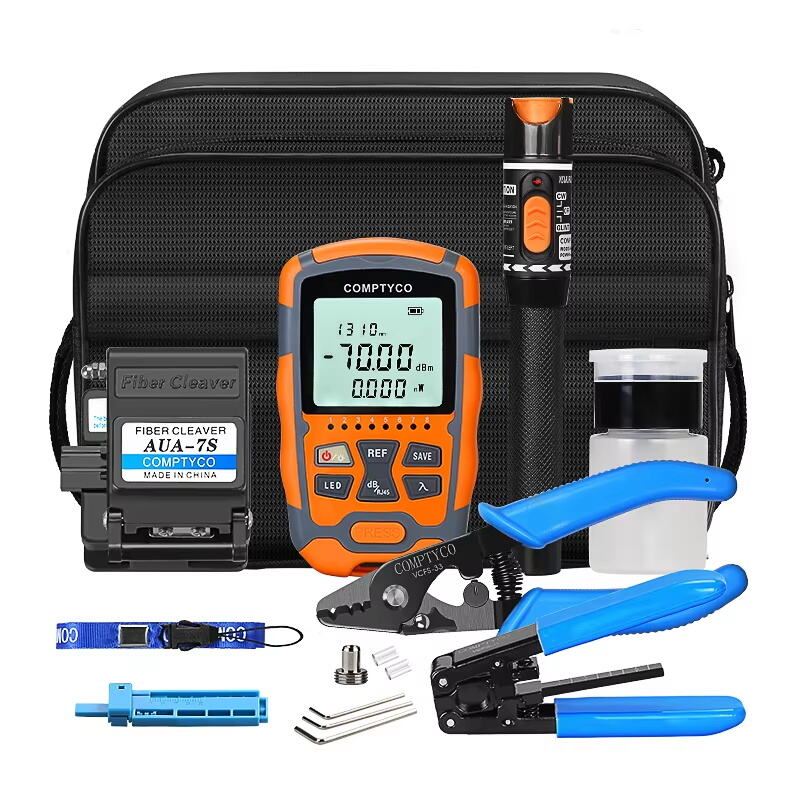
In fiber optic splicing operations, the quality of the cleave directly determines splice loss, reliability, and overall workflow efficiency. Re-cleaving is one of the most time-consuming and frustrating aspects of fusion splicing work, often caused by inconsistent blade angles, contamination, or poor fiber preparation. When technicians face repeated cleave failures, projects are delayed, materials are wasted, and labor costs escalate. The central question many field professionals and network engineers ask is whether investing in a high-precision fiber cleaver can genuinely reduce the frequency of re-cleaves and deliver measurable time savings across splicing operations.
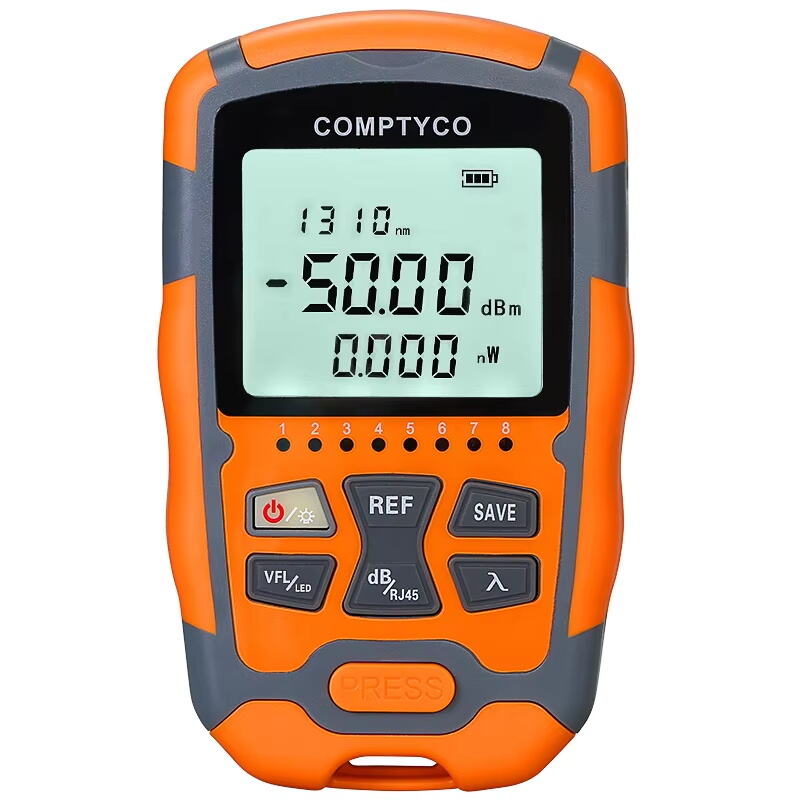
The answer is yes, and the impact is both immediate and sustained. A precision fiber cleaver engineered with tight tolerances, advanced blade technology, and consistent cleave angle control dramatically reduces the likelihood of defective end faces that require re-work. By producing clean, mirror-flat end faces with minimal angle deviation, a quality fiber cleaver enables first-pass splice success rates above ninety-five percent in many deployment scenarios. This article explores how precision cleaving technology addresses the root causes of re-cleaves, quantifies the time savings achievable in real-world installations, and explains the technical factors that separate high-performance cleavers from basic tools that contribute to workflow inefficiencies.
Understanding the Root Causes of Re-Cleaves in Fusion Splicing
Common Cleave Defects That Trigger Re-Work
Re-cleaves are rarely random events. They result from specific defects in the fiber end face that prevent proper fusion or cause unacceptable splice loss. The most common defect is an excessive cleave angle, where the fiber end face deviates from perpendicularity by more than 0.5 degrees. Fusion splicers are designed to align fibers based on the assumption of a near-perfect ninety-degree cleave. When the angle is off, the cores misalign during arc fusion, resulting in elevated insertion loss and potential long-term reliability issues. A precision fiber cleaver maintains angle tolerances within 0.3 degrees or better, ensuring that the splicer receives fibers ready for optimal alignment without manual adjustment or repeat attempts.
Another frequent cause of re-cleaves is the presence of hackles, lips, or surface irregularities on the fiber end face. These defects occur when the blade is dull, contaminated, or improperly tensioned during the scribing process. Hackles are microscopic fractures that propagate irregularly through the fiber cross-section, creating uneven surfaces that scatter light and increase loss. Lips form when the fiber does not break cleanly, leaving a protruding edge that interferes with core alignment. A high-quality fiber cleaver uses precision-ground carbide or diamond blades that maintain sharpness over thousands of cleaves, combined with controlled tensioning mechanisms that ensure uniform fracture propagation. This combination eliminates the majority of surface defects that would otherwise require immediate re-cleaving before splicing can proceed.
Impact of Blade Quality and Tensioning Mechanism
The blade within a fiber cleaver is the single most critical component determining cleave quality. Lower-cost cleavers often use blades that wear quickly, resulting in progressively degraded cleave performance as the tool ages. Blade degradation manifests as increased surface roughness, higher angle deviation, and greater variability between consecutive cleaves. Technicians using worn blades frequently experience a cascade of re-cleaves, with some fibers requiring three or four attempts before achieving an acceptable end face. Precision fiber cleaver models incorporate indexed blade wheels or cartridges that allow users to rotate to fresh cutting edges, extending tool life and maintaining consistent performance across tens of thousands of cleaves without requiring blade replacement or sharpening.
Tensioning consistency is equally important. The fiber must be subjected to precisely calibrated tension immediately after scribing to ensure the fracture propagates cleanly across the fiber diameter. Manual or poorly calibrated tensioning systems introduce variability that leads to unpredictable cleave outcomes. Advanced fiber cleaver designs use spring-loaded or pneumatic tensioning systems with pre-set force profiles optimized for single-mode and multi-mode fiber types. These systems eliminate operator-induced variability, ensuring that each cleave receives identical mechanical treatment regardless of technician experience level. The result is a dramatic reduction in re-cleave frequency, particularly in high-volume production environments where consistency across multiple operators is essential for maintaining throughput targets.
Time Savings Analysis: Quantifying the Impact of Precision Cleaving
Direct Time Reduction Per Splice Point
The time cost of a single re-cleave extends far beyond the seconds required to perform the additional cut. Each re-cleave cycle involves stripping another segment of fiber coating, cleaning the bare fiber, repositioning it in the fiber cleaver, executing the cleave, inspecting the result, and then loading the fiber back into the fusion splicer. This complete cycle typically consumes between forty-five and ninety seconds, depending on operator proficiency and working conditions. In contrast, a first-pass successful cleave allows the technician to proceed directly from cleaving to splicing, reducing the per-splice timeline by an average of one minute or more when re-cleaves are eliminated.
When aggregated across an entire project, these time savings become substantial. Consider a fiber-to-the-home deployment requiring the splicing of 288 fibers across multiple distribution points. If a basic fiber cleaver produces a re-cleave rate of fifteen percent, the technician will perform approximately forty-three additional cleaves, consuming roughly forty-three to sixty-five minutes of unproductive time. A precision fiber cleaver reducing the re-cleave rate to below three percent results in fewer than nine re-cleaves, saving approximately thirty-five to fifty-five minutes per 288-fiber installation. Over the course of a multi-site rollout involving thousands of splice points, these incremental savings translate into days of recovered labor time, enabling crews to complete more installations per week without increasing headcount or extending work hours.
Indirect Efficiency Gains and Reduced Material Waste
Beyond direct time savings, precision cleaving reduces several hidden inefficiencies that compound over project lifespans. Each re-cleave consumes additional fiber length, typically between twenty and thirty millimeters per attempt. In splice enclosures with limited slack management capacity, excessive re-cleaves can exhaust available fiber length, forcing technicians to re-pull cables or redesign splice arrangements. This scenario is particularly problematic in tight underground vaults or aerial splice closures where physical space constraints make fiber management challenging. A reliable fiber cleaver that consistently produces acceptable cleaves on the first attempt preserves fiber length reserves, providing operational margin for unexpected issues and reducing the risk of costly cable re-installations.
Reduced re-cleave rates also improve technician focus and morale. Repeated cleave failures create frustration and mental fatigue, particularly when working under time pressure or adverse environmental conditions. Technicians using precision fiber cleaver tools report higher confidence levels and more consistent performance throughout extended shifts. This psychological benefit translates into fewer errors across all splicing tasks, not just cleaving, as operators maintain better concentration and adhere more closely to quality protocols. The cumulative effect is a measurable improvement in overall splice quality metrics, including lower average splice loss and reduced callback rates for network performance issues attributable to poor splicing practices.
Technical Features That Enable Superior Cleave Performance
Precision Alignment Systems and Fiber Positioning
High-performance fiber cleaver models incorporate precision alignment systems that ensure the fiber is positioned exactly perpendicular to the blade path during scribing. This alignment is achieved through v-groove guides machined to micron-level tolerances, combined with adjustable fiber stops that control cleave length with sub-millimeter accuracy. Proper alignment is essential because even minor deviations in fiber positioning relative to the blade can introduce angle errors that propagate through the fracture plane. Precision fiber cleaver designs often include multiple alignment checkpoints along the fiber path, preventing lateral drift or vertical displacement that would compromise cleave quality.
Advanced models also feature tool-free adjustment mechanisms that allow technicians to quickly switch between fiber types without requiring calibration or setup time. This capability is particularly valuable in outside plant environments where technicians frequently work with both single-mode and multi-mode fibers within the same splice closure. The ability to maintain consistent cleave performance across different fiber diameters and coating types without manual reconfiguration eliminates a common source of operator error and ensures that the fiber cleaver delivers uniform results regardless of application context. This versatility enhances workflow efficiency while maintaining the quality standards necessary to minimize re-cleave incidents.
Environmental Durability and Field Reliability
Fiber optic installations often occur in challenging environmental conditions, including temperature extremes, high humidity, dusty construction sites, and vibration-prone aerial platforms. A precision fiber cleaver designed for field use must maintain performance integrity across this range of conditions without degradation or calibration drift. Rugged housings constructed from impact-resistant polymers or aluminum alloys protect internal mechanisms from shock and contamination, while sealed bearing assemblies prevent moisture ingress that could affect blade rotation or tensioning accuracy. Field-proven fiber cleaver models undergo environmental testing to verify consistent operation across temperature ranges from minus twenty to plus sixty degrees Celsius, ensuring reliable performance in both arctic and desert deployment scenarios.
Maintenance accessibility is another critical factor distinguishing professional-grade fiber cleaver tools from consumer-oriented alternatives. Field technicians require the ability to perform routine maintenance tasks such as blade rotation, debris removal, and cleaning without specialized tools or extensive disassembly. Well-designed cleavers incorporate quick-access panels, self-cleaning blade chambers, and visual indicators that alert users when blade rotation is recommended. These features minimize downtime and ensure that the tool maintains peak performance throughout its operational lifespan. When a fiber cleaver can be serviced quickly in the field without returning to a workshop, project schedules remain on track and crews maintain productivity targets even during extended deployments in remote locations.
Operational Best Practices for Maximizing Cleaver Performance
Proper Fiber Preparation Techniques
Even the most advanced fiber cleaver cannot compensate for inadequate fiber preparation. Proper cleaving begins with correct coating removal using dedicated fiber strippers calibrated for the specific coating type and diameter. Mechanical strippers must be adjusted to remove the coating without scoring or weakening the underlying glass fiber, as any surface damage becomes a stress concentration point that can cause irregular fracture propagation during cleaving. Chemical strippers offer an alternative for sensitive applications, dissolving the coating without mechanical stress, though they require additional cleanup steps to ensure no residue remains on the fiber surface before cleaving.
After coating removal, the bare fiber must be cleaned using lint-free wipes moistened with isopropyl alcohol with a purity level of ninety-nine percent or higher. Cleaning removes residual coating material, skin oils, and environmental contaminants that would interfere with blade contact or introduce defects into the cleaved end face. The fiber should be wiped in a single direction from the coated section toward the stripped end, using gentle pressure to avoid inducing microcracks. A properly cleaned fiber presents a pristine glass surface to the fiber cleaver blade, enabling the tool to perform at its design capability and produce consistently high-quality cleaves without premature blade wear or contamination buildup.
Blade Maintenance and Rotation Scheduling
Blade maintenance is the most important user-controlled factor affecting long-term fiber cleaver performance. Manufacturers typically specify blade rotation intervals based on cleave count, commonly recommending rotation after three thousand to five thousand cleaves for precision models. However, actual blade life depends on fiber types processed, environmental conditions, and operator technique. Technicians should monitor cleave quality trends rather than relying solely on count-based schedules, rotating the blade whenever cleave angle deviation increases or surface defect frequency rises above baseline levels. Proactive blade management prevents the gradual performance degradation that leads to increased re-cleave rates and associated time losses.
In addition to regular rotation, blades require periodic cleaning to remove accumulated fiber debris and coating residue. Contamination buildup on the blade edge creates localized stress concentrations that interfere with clean fracture initiation, resulting in irregular cleave patterns. Most precision fiber cleaver models include cleaning brushes or swabs designed specifically for blade maintenance. A quick blade cleaning at the beginning of each work shift takes less than thirty seconds but significantly extends blade life and maintains consistent cleave quality. When combined with proper storage in protective cases between uses, these simple maintenance practices ensure that the fiber cleaver delivers reliable performance across its entire service life, maximizing return on investment through sustained productivity gains.
Cost-Benefit Analysis: Justifying Investment in Precision Cleaving Tools
Direct Labor Cost Recovery
The financial justification for investing in a precision fiber cleaver centers on quantifiable labor cost recovery through reduced re-cleave time. Consider a splicing crew with an average fully-loaded labor cost of seventy-five dollars per hour working on projects requiring one thousand splice points per month. If switching from a basic fiber cleaver with a fifteen percent re-cleave rate to a precision model with a three percent rate saves one minute per eliminated re-cleave, the monthly time savings amount to approximately two hundred minutes, or 3.33 hours. At the crew's labor rate, this represents a monthly cost recovery of approximately two hundred fifty dollars, or three thousand dollars annually per crew.
When multiplied across multiple crews or evaluated over multi-year project timelines, the cumulative savings substantially exceed the incremental cost of precision fiber cleaver tools. A high-quality precision cleaver typically costs between three hundred and eight hundred dollars more than basic alternatives, meaning the investment pays for itself within one to four months of regular use. Beyond the payback period, all subsequent savings flow directly to improved project profitability or capacity to accept additional work without proportional cost increases. For contractors operating on tight margins in competitive bidding environments, these efficiency gains can mean the difference between profitable and unprofitable project outcomes.
Quality Metrics and Long-Term Network Reliability
The quality benefits of precision cleaving extend beyond immediate installation efficiency to impact long-term network performance and maintenance costs. Splice points created with high-quality cleaves exhibit lower average insertion loss, typically measuring between 0.02 and 0.05 decibels compared to 0.08 to 0.15 decibels for marginal cleaves that pass initial inspection but contain subtle defects. While these differences appear small on a per-splice basis, they aggregate across network spans containing hundreds or thousands of splice points. A network route with five hundred splices could exhibit two to five decibels of additional loss if constructed with marginal cleaving practices, potentially requiring additional amplification or limiting achievable transmission distances.
More critically, marginal cleaves that pass initial inspection may degrade over time as thermal cycling and mechanical stress expose latent defects. Splice points created with precision fiber cleaver tools demonstrate superior long-term stability, maintaining their initial performance characteristics over decades of environmental exposure. This reliability translates into reduced maintenance costs, fewer service interruptions, and lower customer complaint rates for network operators. When evaluating fiber cleaver investments, forward-thinking organizations consider not only initial installation efficiency but also the lifecycle cost implications of superior splice quality. The total cost of ownership analysis strongly favors precision cleaving tools when network reliability and long-term operational costs are properly weighted against initial equipment expenses.
FAQ
How much time does a precision fiber cleaver actually save on a typical splicing project?
Time savings depend on project scale and baseline re-cleave rates, but most organizations observe savings of thirty to sixty minutes per hundred splice points when switching from basic to precision fiber cleaver tools. For large projects involving several hundred splices, this translates to multiple hours of recovered labor time. The savings accumulate through eliminated re-cleave cycles, reduced fiber waste requiring remediation, and improved technician workflow efficiency. Over annual project volumes, many contractors report time savings equivalent to several full work days per splicing crew.
What cleave angle tolerance should I expect from a high-quality fiber cleaver?
Professional-grade precision fiber cleaver models typically maintain cleave angles within 0.5 degrees of perpendicular, with top-tier tools achieving 0.3 degrees or better. This tolerance level ensures compatibility with all fusion splicer requirements and minimizes the risk of angle-related splice failures. In contrast, basic cleavers may produce angles varying between 0.5 and 2.0 degrees, with significant unit-to-unit and cleave-to-cleave variability. The tighter tolerance of precision tools directly correlates with reduced re-cleave rates and improved first-pass splice success.
Can environmental conditions affect fiber cleaver performance and re-cleave rates?
Yes, temperature extremes, humidity, and contamination significantly impact cleave quality if the fiber cleaver is not designed for field use. Cold temperatures can affect tensioning spring characteristics and blade brittleness, while high humidity may cause fiber adhesion issues or blade corrosion. Dust and debris can contaminate blade surfaces or fiber positioning guides, introducing defects. Field-rated precision fiber cleaver tools incorporate environmental protections including sealed mechanisms, temperature-compensated components, and contamination-resistant designs that maintain performance across the full range of installation conditions encountered in outside plant environments.
How often should I rotate the blade in my fiber cleaver to maintain low re-cleave rates?
Blade rotation intervals vary by model and usage patterns, but most manufacturers recommend rotation after three thousand to five thousand cleaves for precision tools. However, quality monitoring provides better guidance than fixed intervals. When you observe increasing cleave angle deviation, more frequent surface defects, or rising re-cleave rates, immediate blade rotation is warranted regardless of cleave count. Maintaining a cleave quality log helps identify performance trends and optimize rotation timing. Proactive blade management based on performance metrics rather than arbitrary counts ensures consistently low re-cleave rates throughout the tool's operational life.
Table of Contents
- Understanding the Root Causes of Re-Cleaves in Fusion Splicing
- Time Savings Analysis: Quantifying the Impact of Precision Cleaving
- Technical Features That Enable Superior Cleave Performance
- Operational Best Practices for Maximizing Cleaver Performance
- Cost-Benefit Analysis: Justifying Investment in Precision Cleaving Tools
-
FAQ
- How much time does a precision fiber cleaver actually save on a typical splicing project?
- What cleave angle tolerance should I expect from a high-quality fiber cleaver?
- Can environmental conditions affect fiber cleaver performance and re-cleave rates?
- How often should I rotate the blade in my fiber cleaver to maintain low re-cleave rates?