
 EN
EN
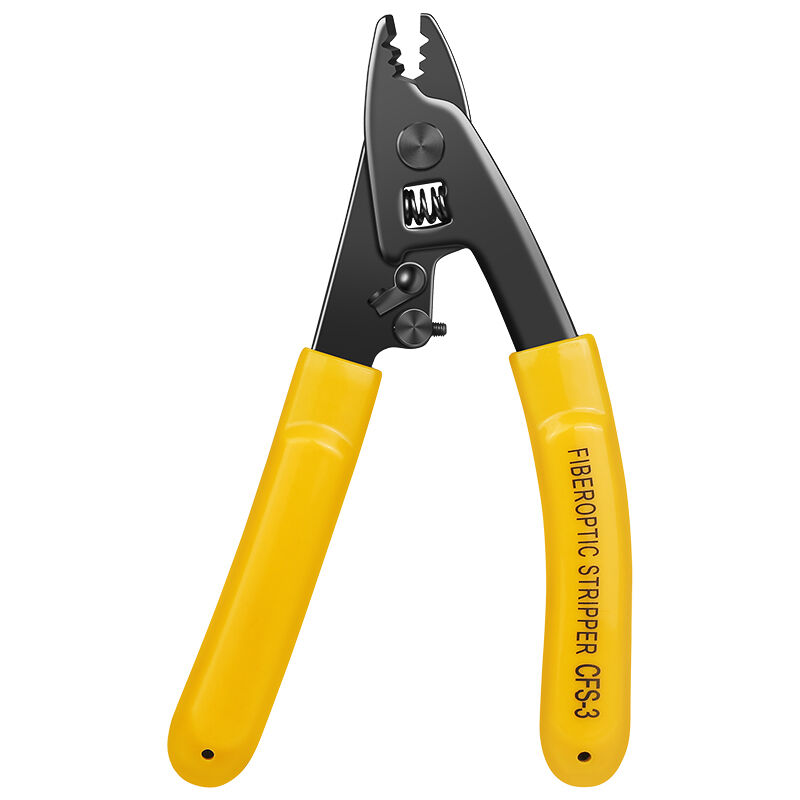
A precision fiber stripper represents a specialized tool engineered to remove protective coatings from optical fibers with exact dimensional control and minimal signal loss. These instruments incorporate sophisticated mechanical designs that ensure consistent stripping depths, protect delicate glass cores, and maintain fiber integrity during preparation processes. Understanding the key features of a quality fiber stripper becomes essential when selecting tools for professional fiber optic installations, telecommunications infrastructure projects, and precision manufacturing applications.
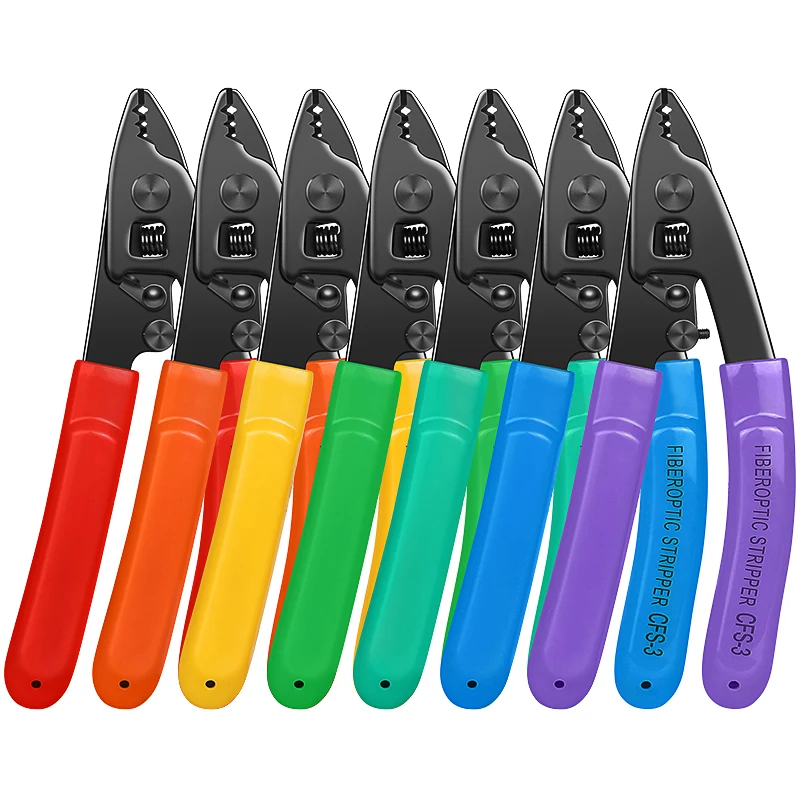
Professional telecommunications technicians and fiber optic engineers rely on precision fiber stripper tools to achieve repeatable results across diverse cable types and operating conditions. The distinguishing characteristics of these instruments directly impact installation quality, splice performance, and long-term network reliability. Modern fiber stripper designs incorporate advanced materials science, ergonomic engineering principles, and quality control standards that address the demanding requirements of contemporary optical communication systems.
Blade Configuration and Cutting Mechanism Design
Precision Blade Materials and Geometry
The cutting blades within a professional fiber stripper utilize hardened steel or carbide materials engineered to maintain sharp edges through thousands of stripping cycles. These blades feature precisely controlled angles, typically ranging from 15 to 30 degrees, that optimize cutting efficiency while minimizing fiber damage risk. The blade geometry includes relief angles that prevent binding during the stripping motion and ensure smooth coating removal without glass core contact.
Advanced fiber stripper models incorporate replaceable blade cartridges that allow field maintenance without complete tool replacement. The blade positioning mechanism includes micro-adjustment capabilities that accommodate variations in coating thickness across different fiber specifications. Quality control during manufacturing ensures blade alignment tolerances within 0.001 inches to maintain consistent stripping performance.
Multi-Port Stripping Capabilities
Professional fiber stripper tools often feature multiple stripping ports sized for different fiber diameters and coating configurations. Common port sizes include 125μm for bare fiber, 250μm for tight-buffered fiber, and 900μm for loose-tube designs. Each port incorporates independent blade assemblies calibrated for specific coating removal depths while protecting the underlying glass structure.
The multi-port design enables technicians to process various fiber types using a single tool, reducing equipment costs and simplifying field operations. Port selection mechanisms include clearly marked sizing indicators and positive detents that prevent accidental diameter changes during operation. Advanced models incorporate port covers that protect unused openings from contamination and maintain blade sharpness during storage.
Depth Control and Dimensional Precision Systems
Adjustable Stripping Length Control
Precision fiber stripper tools incorporate adjustable length control mechanisms that determine the coating removal distance with repeatable accuracy. These systems typically utilize calibrated scales marked in millimeter increments, allowing technicians to set specific stripping lengths between 5mm and 20mm depending on splice requirements. The length control mechanism includes positive stops that prevent over-stripping and potential fiber damage.
The adjustment mechanism operates through threaded components that provide fine control over stripping depth while maintaining stability during operation. Quality fiber stripper designs include locking mechanisms that prevent inadvertent setting changes during field use. Some models incorporate quick-release systems that allow rapid length adjustments for different splice configurations without requiring tools or extensive setup procedures.
Coating Penetration Depth Management
The depth control system within a fiber stripper regulates how deeply the blades penetrate into the fiber coating without contacting the glass core. This critical dimension typically ranges from 0.002 to 0.005 inches depending on coating type and fiber specifications. Precise depth control prevents both incomplete coating removal and glass damage that could compromise optical performance.
Advanced fiber stripper models include micrometer-adjustable depth settings that accommodate variations in coating thickness across different manufacturers and fiber types. The depth control mechanism incorporates spring-loaded components that provide consistent blade pressure while preventing excessive force application. Calibration procedures ensure depth accuracy within specified tolerances throughout the tool's operational life.
Ergonomic Design and Operational Efficiency Features
Handle Design and Grip Optimization
Professional fiber stripper tools feature ergonomically designed handles that reduce hand fatigue during extended use while providing secure grip control. The handle geometry incorporates finger contours that promote natural hand positioning and distribute operating forces across multiple contact points. Handle materials include non-slip surfaces that maintain grip security in various environmental conditions including humid or oily work environments.
The handle design includes leverage optimization that minimizes the force required for coating removal while maintaining precise control over the stripping motion. Some fiber stripper models incorporate cushioned grip areas that absorb vibration and reduce pressure points during repetitive operations. Handle length proportions balance tool maneuverability with mechanical advantage requirements for efficient coating removal.
Single-Hand Operation Capabilities
Modern fiber stripper designs enable single-hand operation that allows technicians to hold the fiber cable steady while performing the stripping motion. This operational capability improves work efficiency and reduces the risk of fiber movement during coating removal. The tool mechanism includes spring return systems that automatically open the stripping jaws after each operation cycle.
Single-hand operation features include trigger mechanisms that provide positive control over the stripping cycle while allowing precise timing of blade engagement. The tool design incorporates fiber guides that maintain proper alignment during the stripping process without requiring secondary support. Safety features prevent accidental blade closure when the tool is not properly positioned on the fiber.
Durability and Maintenance Characteristics
Construction Materials and Longevity
Quality fiber stripper tools utilize aircraft-grade aluminum alloys, stainless steel components, and engineered plastics selected for durability under field operating conditions. The material selection process considers factors including corrosion resistance, dimensional stability, and mechanical wear characteristics. Critical load-bearing components incorporate heat treatment processes that optimize strength-to-weight ratios while maintaining precision tolerances.
The construction approach includes sealed bearing assemblies that protect internal mechanisms from environmental contamination including dust, moisture, and chemical exposure. Fastener systems utilize corrosion-resistant materials with thread-locking compounds that prevent loosening during operation. Surface treatments include anodizing or coating processes that enhance wear resistance and maintain appearance throughout the tool's service life.
Maintenance Requirements and Service Intervals
Professional fiber stripper tools require minimal maintenance when operated within specified parameters and environmental conditions. Routine maintenance procedures include blade inspection, cleaning of fiber debris, and lubrication of moving components according to manufacturer recommendations. Blade replacement intervals depend on usage intensity but typically range from 10,000 to 50,000 stripping cycles.
Maintenance procedures include calibration verification using gauge blocks or test fibers to ensure continued dimensional accuracy. The fiber stripper design facilitates field maintenance through accessible adjustment points and clear marking of critical settings. Documentation requirements include maintenance logs that track blade changes, calibration dates, and performance verification results.
Quality Control and Performance Verification Standards
Manufacturing Quality Assurance Processes
Precision fiber stripper manufacturing incorporates comprehensive quality control procedures that verify dimensional accuracy, mechanical performance, and durability characteristics. Testing protocols include statistical sampling of production units with measurement verification using coordinate measuring machines and optical inspection systems. Quality standards address blade sharpness retention, depth control accuracy, and handle durability under accelerated aging conditions.
The manufacturing process includes incoming material inspection, in-process dimensional verification, and final assembly testing before shipment. Critical dimensions receive 100% inspection using automated measurement systems that detect variations exceeding specified tolerances. Traceability systems maintain records linking individual tools to production dates, material lots, and inspection results.
Field Performance Validation Methods
Field performance validation for fiber stripper tools includes splice loss measurements, fiber end-face inspection, and coating removal consistency evaluation. Test procedures utilize calibrated optical power meters, microscope systems, and standardized test fibers that represent typical installation conditions. Performance criteria include maximum allowable splice losses and fiber end-face quality standards.
Validation protocols include comparative testing between new and used tools to establish performance degradation patterns and maintenance intervals. The evaluation process considers factors including stripping force requirements, coating adhesion variations, and environmental operating conditions. Documentation includes performance trending data that supports maintenance scheduling and tool replacement decisions.
FAQ
What fiber diameters can a precision fiber stripper accommodate?
Most precision fiber stripper tools accommodate standard telecommunications fiber diameters including 125μm bare glass, 250μm tight-buffered configurations, and 900μm loose-tube designs. Multi-port models provide dedicated openings for each diameter with independent blade assemblies calibrated for specific coating removal requirements. Some specialized models handle larger diameters up to 3mm for premises cabling applications.
How often should fiber stripper blades be replaced?
Blade replacement intervals depend on usage intensity and fiber types processed but typically range from 10,000 to 50,000 stripping cycles for quality tools. Signs indicating blade replacement include increased stripping force requirements, inconsistent coating removal, or visible blade wear under magnification. Regular inspection and performance testing help determine optimal replacement timing before quality degradation affects splice performance.
Can fiber stripper tools handle different coating materials effectively?
Professional fiber stripper tools accommodate various coating materials including acrylate, polyimide, and specialty formulations used in harsh environment applications. The blade geometry and depth control systems adapt to different coating hardness and adhesion characteristics. However, some specialty coatings may require specific blade configurations or modified stripping parameters for optimal results.
What safety features should I look for in a fiber stripper?
Essential safety features include spring-loaded blade systems that prevent accidental closure, fiber guides that maintain proper alignment during stripping, and ergonomic handles that reduce fatigue-related accidents. Quality tools incorporate blade guards that protect unused cutting edges and positive locking mechanisms that secure adjustment settings. Some models include safety interlocks that prevent operation when not properly positioned on the fiber.