
 EN
EN
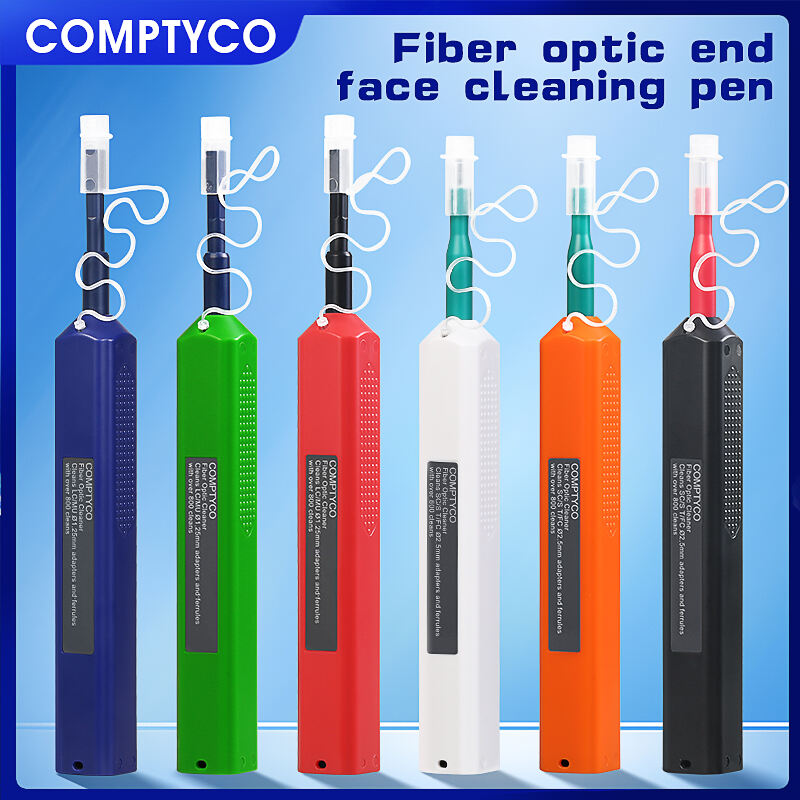
Determining the optimal cleaning frequency for fiber optic connectors and adapters is crucial for maintaining network performance and preventing costly signal degradation. The frequency depends on multiple factors including environmental conditions, usage patterns, and the specific type of fiber optic infrastructure in your facility. Understanding these variables helps establish a proactive maintenance schedule that ensures reliable data transmission while avoiding unnecessary downtime.
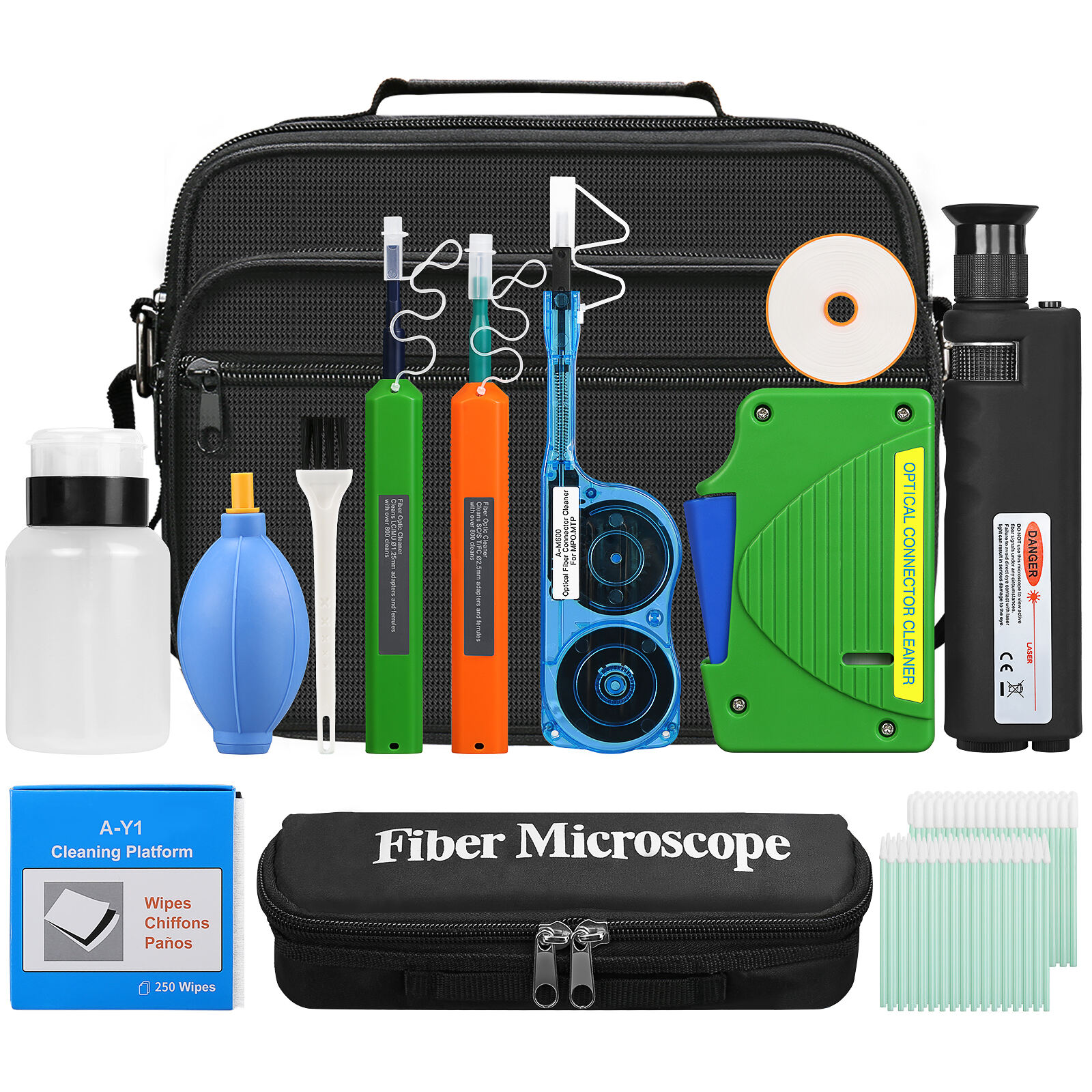
Professional fiber optic maintenance requires establishing cleaning intervals that balance operational efficiency with network reliability. The cleaning frequency varies significantly based on environmental exposure, connector activity levels, and the critical nature of the network connections. Regular cleaning with a quality fiber optic cleaner prevents contamination buildup that can cause signal loss, increased bit error rates, and expensive network troubleshooting.
Environmental Factors That Determine Cleaning Frequency
Indoor Controlled Environment Cleaning Schedule
In controlled indoor environments such as data centers and telecommunications rooms, fiber optic connectors typically require cleaning every 3-6 months during routine maintenance windows. These controlled settings minimize dust accumulation and environmental contamination, allowing for extended cleaning intervals. However, the frequency should increase if the facility experiences high foot traffic or construction activities nearby that could introduce additional particulates into the air.
Climate-controlled facilities with proper air filtration systems can often extend cleaning intervals to quarterly schedules, provided that connectors show no visible contamination during inspections. A fiber optic cleaner designed for precision work becomes essential in these environments to maintain the ultra-clean surfaces required for optimal signal transmission. Regular monitoring with inspection microscopes helps determine if the established cleaning schedule adequately maintains connector cleanliness.
Industrial and Harsh Environment Requirements
Industrial environments demand more frequent cleaning due to increased exposure to dust, moisture, and chemical contaminants. Manufacturing facilities, outdoor installations, and industrial networks typically require monthly cleaning cycles to prevent contamination buildup that can severely impact network performance. The presence of metal particles, oils, or chemical vapors accelerates contamination rates and necessitates more aggressive cleaning schedules.
Outdoor fiber installations face additional challenges from weather exposure, temperature fluctuations, and seasonal debris accumulation. These installations often require bi-weekly or even weekly cleaning during adverse weather periods. Using an appropriate fiber optic cleaner designed for field conditions becomes critical in these environments, as standard cleaning tools may not effectively remove stubborn contaminants encountered in harsh conditions.
Usage-Based Cleaning Frequency Guidelines
High-Activity Connection Points
Fiber optic connections that experience frequent plugging and unplugging require more intensive cleaning schedules due to increased contamination exposure. Test points, patch panels with regular reconfiguration, and temporary connections should be cleaned before each use and inspected regularly for contamination buildup. These high-activity areas benefit from having dedicated cleaning stations with fiber optic cleaner tools readily available for technicians.
Network connections used for testing, troubleshooting, or frequent reconfigurations accumulate contamination faster than static connections. Establishing a pre-connection cleaning protocol ensures that each new connection starts with clean connectors, reducing the risk of contaminating clean interfaces. This approach requires having portable fiber optic cleaner kits available at strategic locations throughout the facility.
Static Connection Maintenance
Permanent fiber connections in stable network configurations can maintain longer cleaning intervals, typically ranging from 6-12 months depending on environmental conditions. These connections benefit from protective caps and dust covers when not in active use, significantly extending the time between required cleanings. However, even static connections require periodic inspection to ensure that environmental factors have not compromised connector cleanliness.
Long-term installations should undergo comprehensive cleaning during scheduled maintenance outages, even if visual inspection suggests the connectors appear clean. Microscopic contamination invisible to the naked eye can still impact signal quality, making thorough cleaning with appropriate fiber optic cleaner tools essential for maintaining optimal network performance over extended periods.
Performance-Based Cleaning Indicators
Signal Quality Degradation Patterns
Network performance monitoring provides valuable insights into optimal cleaning frequency by tracking signal degradation patterns over time. Increasing bit error rates, reduced signal strength, or intermittent connection issues often indicate that connectors require cleaning attention. Establishing baseline performance measurements helps identify when degradation reaches levels requiring immediate cleaning intervention.
Proactive performance monitoring allows network administrators to schedule cleaning activities before signal quality drops to unacceptable levels. This approach minimizes service disruptions while ensuring that cleaning efforts focus on connections showing actual performance impacts. Regular use of a fiber optic cleaner on connections showing early degradation signs prevents minor issues from escalating into major network problems.
Preventive Maintenance Integration
Integrating fiber cleaning into existing preventive maintenance schedules ensures consistent attention to connector cleanliness without requiring separate maintenance windows. Coordinating cleaning activities with other routine maintenance tasks maximizes efficiency while maintaining network reliability. This integrated approach helps establish sustainable cleaning practices that become part of standard operational procedures.
Preventive maintenance programs should include regular connector inspections using microscopy equipment to assess cleanliness levels objectively. Visual inspection alone cannot reliably identify contamination that affects signal quality, making microscopic inspection essential for determining actual cleaning needs. Having quality fiber optic cleaner tools available during these inspections enables immediate cleaning when contamination is discovered.
Cleaning Schedule Optimization Strategies
Documentation and Tracking Systems
Maintaining detailed cleaning logs helps optimize cleaning frequency by tracking the relationship between cleaning intervals and network performance. Documentation should include cleaning dates, environmental conditions, contamination levels found, and post-cleaning performance measurements. This data enables continuous refinement of cleaning schedules based on actual operational experience rather than generic recommendations.
Digital tracking systems can automate cleaning schedule notifications and maintain comprehensive maintenance histories for each connection point. These systems help ensure that no connections are overlooked while providing valuable data for optimizing cleaning frequencies based on actual contamination patterns and performance impacts. Proper documentation also supports troubleshooting efforts when network issues arise.
Cost-Benefit Analysis of Cleaning Frequency
Balancing cleaning costs against potential downtime costs helps establish economically optimal cleaning frequencies for different network segments. Critical connections supporting essential services may justify more frequent cleaning to minimize service disruption risks, while less critical connections can operate with extended cleaning intervals. This risk-based approach ensures that cleaning efforts focus on connections where contamination poses the greatest operational risk.
Investing in quality fiber optic cleaner equipment and training reduces long-term maintenance costs by improving cleaning effectiveness and reducing the time required for each cleaning cycle. Professional-grade cleaning tools often provide better contamination removal while reducing the risk of connector damage during cleaning operations. The initial investment in proper cleaning equipment typically pays for itself through reduced service calls and improved network reliability.
FAQ
What factors most significantly impact fiber optic connector cleaning frequency?
Environmental conditions and usage patterns are the primary factors determining cleaning frequency. Controlled indoor environments typically require quarterly cleaning, while industrial or outdoor installations may need monthly or bi-weekly cleaning. High-activity connections with frequent plugging and unplugging require cleaning before each use, while static connections can maintain longer intervals of 6-12 months with proper protection.
How can I tell if my fiber optic connectors need cleaning more frequently?
Monitor network performance indicators such as increasing bit error rates, reduced signal strength, or intermittent connection issues, which often indicate contamination buildup. Use microscopic inspection tools to assess connector cleanliness objectively, as visual inspection alone cannot reliably identify performance-affecting contamination. Establish baseline performance measurements to identify degradation trends that suggest cleaning frequency adjustments are needed.
Can cleaning fiber optic connectors too frequently cause damage?
Excessive cleaning with inappropriate tools or techniques can potentially damage connector surfaces, but proper cleaning with quality fiber optic cleaner tools and correct procedures poses minimal risk. The greater risk comes from insufficient cleaning, which allows contamination buildup that degrades signal quality and can cause permanent connector damage. Focus on using proper cleaning techniques and appropriate tools rather than reducing cleaning frequency to avoid damage.
Should all fiber optic connections in a facility follow the same cleaning schedule?
No, cleaning frequency should be customized based on individual connection characteristics including environmental exposure, usage patterns, and criticality to operations. Critical connections supporting essential services may require more frequent cleaning, while protected static connections can operate with extended intervals. Develop a risk-based cleaning strategy that allocates maintenance resources according to the operational impact and contamination risk of each connection point.
Table of Contents
- Environmental Factors That Determine Cleaning Frequency
- Usage-Based Cleaning Frequency Guidelines
- Performance-Based Cleaning Indicators
- Cleaning Schedule Optimization Strategies
-
FAQ
- What factors most significantly impact fiber optic connector cleaning frequency?
- How can I tell if my fiber optic connectors need cleaning more frequently?
- Can cleaning fiber optic connectors too frequently cause damage?
- Should all fiber optic connections in a facility follow the same cleaning schedule?