
 EN
EN
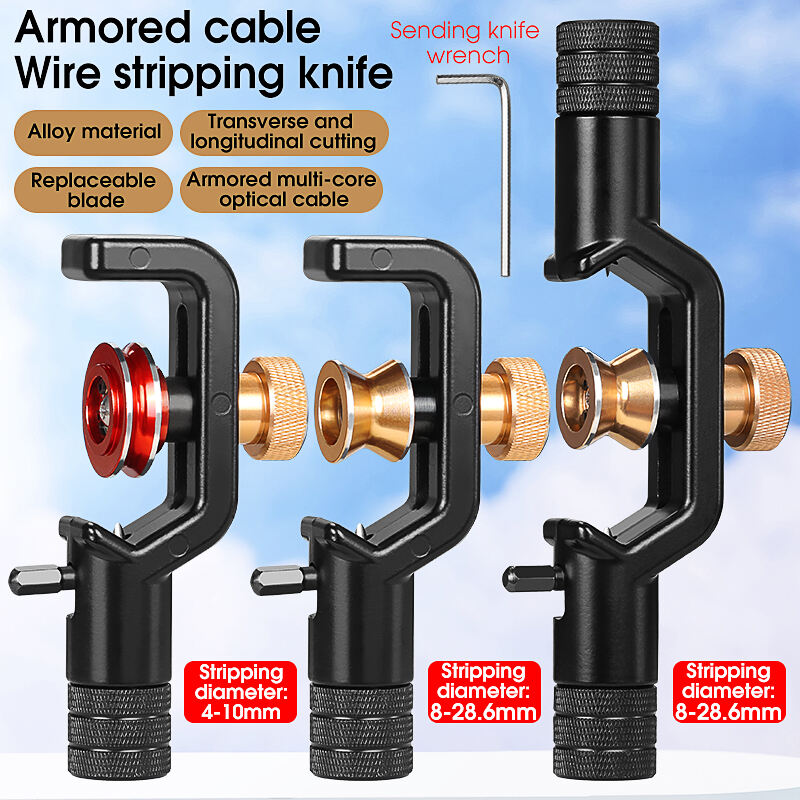
Proper maintenance of your fiber stripper is essential for ensuring consistent performance and extending its operational lifespan in demanding telecommunications environments. A well-maintained fiber stripper not only delivers precise fiber optic cable preparation but also reduces operational costs by minimizing tool replacement frequency and preventing costly installation errors that can arise from degraded cutting performance.
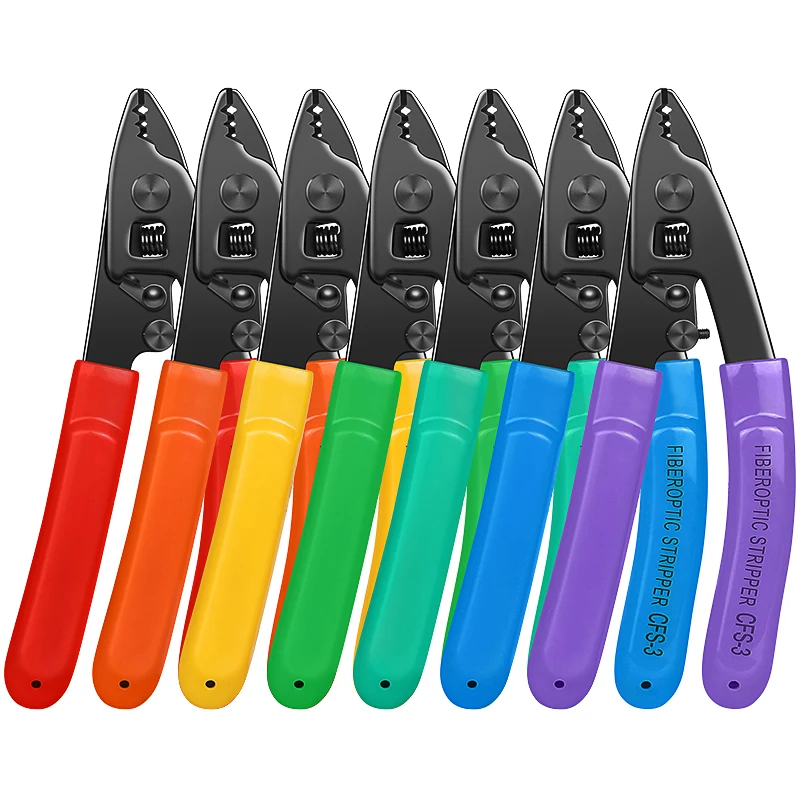
Understanding the maintenance requirements of your fiber stripper directly impacts both the quality of your fiber optic installations and the overall efficiency of your telecommunications projects. Professional technicians who implement systematic maintenance protocols report significantly improved tool longevity and more reliable stripping results across various fiber cable types and installation conditions.
Essential Daily Maintenance Procedures
Cleaning Protocol for Optimal Performance
Daily cleaning represents the foundation of effective fiber stripper maintenance, requiring systematic removal of fiber debris, cable jacket residue, and accumulated contaminants that can compromise cutting precision. Begin each maintenance cycle by powering down electrical components if your fiber stripper includes battery-operated features, then carefully disassemble removable cutting elements according to manufacturer specifications.
Use lint-free cleaning cloths dampened with isopropyl alcohol to thoroughly clean all cutting surfaces, paying particular attention to blade edges and fiber contact points where microscopic debris commonly accumulates. The cleaning solution should be applied sparingly to prevent liquid penetration into mechanical assemblies while ensuring complete removal of organic and inorganic contaminants that can affect stripping quality.
Professional maintenance protocols recommend dedicating specific cleaning tools exclusively to fiber stripper maintenance to prevent cross-contamination from other workshop tools. This approach ensures that cleaning implements remain free from particles or substances that could be transferred to sensitive optical components during the maintenance process.
Lubrication and Moving Parts Care
Proper lubrication of mechanical components ensures smooth operation and prevents premature wear of moving parts within your fiber stripper assembly. Apply manufacturer-specified lubricants to pivot points, spring mechanisms, and adjustable components using precision applicators that allow controlled distribution without over-lubrication that can attract debris.
Focus lubrication efforts on high-wear areas including blade adjustment mechanisms, tension springs, and any threaded components used for calibration or size adjustment. The frequency of lubrication depends on usage intensity, but most professional applications benefit from weekly lubrication schedules during periods of regular use.
Document lubrication activities in maintenance logs to establish consistent service intervals and identify patterns that may indicate accelerated wear or environmental factors affecting your fiber stripper performance. This systematic approach enables proactive maintenance scheduling that prevents unexpected tool failures during critical installation phases.
Blade Maintenance and Replacement Strategies
Blade Inspection Techniques
Regular blade inspection forms a critical component of comprehensive fiber stripper maintenance, requiring systematic evaluation of cutting edge condition, blade alignment, and overall cutting geometry integrity. Develop a standardized inspection routine that examines blade surfaces under appropriate magnification to detect early signs of wear, chipping, or contamination buildup.
Visual inspection should focus on identifying microscopic nicks, uneven wear patterns, or material buildup along cutting edges that can compromise the precision required for clean fiber preparation. Use consistent lighting conditions and magnification levels to ensure inspection reliability and establish baseline conditions for comparison during subsequent maintenance cycles.
Professional technicians often maintain photographic records of blade condition over time, creating visual documentation that supports objective assessment of wear progression and optimal replacement timing. This approach enables data-driven maintenance decisions that balance tool performance requirements with operational cost considerations.
Replacement Timing and Procedures
Determining optimal blade replacement timing requires balancing performance requirements against operational costs, with most professional applications establishing replacement schedules based on usage volume, cutting quality metrics, and preventive maintenance protocols. Monitor fiber stripper performance indicators including increased stripping force requirements, inconsistent cutting results, or visible fiber damage during cable preparation activities.
Implement replacement procedures that follow manufacturer specifications for blade installation, calibration, and initial performance verification. Proper installation requires attention to blade orientation, securing mechanism engagement, and post-installation testing to confirm cutting accuracy and safety compliance before returning the tool to active service.
Maintain inventory management systems that ensure replacement blade availability while preventing excessive stock accumulation that can lead to component degradation during storage. Establish supplier relationships that support predictable delivery schedules aligned with your maintenance requirements and project demands.
Calibration and Performance Optimization
Precision Adjustment Procedures
Systematic calibration ensures your fiber stripper maintains the precision required for consistent fiber preparation across various cable types and installation conditions. Begin calibration procedures by establishing baseline measurements using reference standards that represent the fiber cable specifications most commonly encountered in your applications.
Adjust cutting depth settings incrementally while testing with sample fiber cables to determine optimal parameters for each cable type in your inventory. Document calibration settings for different fiber specifications to enable rapid tool setup and consistent results across multiple technicians and installation projects.
Professional calibration protocols include verification testing that confirms cutting accuracy, fiber end quality, and overall performance consistency before approving the fiber stripper for production use. This systematic approach prevents installation delays and quality issues that can arise from inadequately calibrated tools.
Performance Testing and Validation
Regular performance testing validates the effectiveness of maintenance procedures and identifies developing issues before they impact installation quality or project schedules. Develop testing protocols that evaluate cutting precision, consistency across multiple operations, and overall tool responsiveness under typical working conditions.
Include quantitative measurements in performance testing routines, such as cutting force requirements, fiber end quality assessments, and operational speed evaluations that provide objective data for maintenance decision-making. These metrics enable trending analysis that supports predictive maintenance strategies and optimal resource allocation.
Establish performance benchmarks that reflect your specific application requirements and quality standards, ensuring that maintenance activities maintain tool capabilities within acceptable operational parameters. Regular validation testing confirms that your fiber stripper continues meeting performance expectations throughout its service life.
Storage and Environmental Protection
Proper Storage Conditions
Appropriate storage conditions significantly impact fiber stripper longevity by protecting sensitive components from environmental factors that can accelerate wear or cause performance degradation. Establish dedicated storage areas that maintain stable temperature and humidity levels while providing protection from dust, moisture, and mechanical shock during non-use periods.
Use protective cases or storage systems designed specifically for precision tools, ensuring that cutting elements remain properly secured and protected from contact with other tools or surfaces that could cause damage. Consider climate-controlled storage for high-value fiber stripper models or applications requiring maximum precision maintenance.
Implement storage protocols that include periodic inspection of stored tools to detect any environmental damage or degradation that may occur during extended storage periods. This proactive approach prevents storage-related issues from compromising tool performance when equipment returns to active service.
Transportation and Field Protection
Field transportation requires specialized protection strategies that maintain fiber stripper integrity during transit between job sites while ensuring immediate operational readiness upon arrival. Select transportation cases that provide adequate shock absorption and environmental protection while maintaining organized tool layout for efficient access.
Develop transportation checklists that verify proper tool securing, case closure integrity, and inclusion of necessary maintenance supplies before departing for field locations. This systematic approach prevents transportation damage and ensures maintenance capability at remote work sites where replacement tools may not be readily available.
Consider environmental factors specific to your operational regions, such as extreme temperature variations, humidity levels, or contamination risks that may require enhanced protection measures during transportation and field storage. Adapt protection strategies to match the specific challenges of your working environments.
Troubleshooting Common Performance Issues
Identifying Performance Degradation
Early identification of performance degradation enables proactive maintenance interventions that prevent minor issues from developing into major operational problems. Monitor fiber stripper performance indicators including increased operational effort, inconsistent cutting results, or changes in the quality of prepared fiber ends that may indicate developing maintenance needs.
Establish baseline performance metrics during initial tool commissioning to provide reference standards for ongoing performance evaluation. Document operational characteristics including typical cutting forces, setup times, and quality outcomes to enable objective assessment of performance changes over time.
Train technicians to recognize subtle performance changes that may indicate maintenance requirements before obvious failures occur. This proactive approach minimizes installation delays and prevents quality issues that can arise from continued use of degraded fiber stripper tools.
Systematic Problem Resolution
Develop systematic troubleshooting procedures that address common fiber stripper issues through structured diagnostic approaches and proven resolution methods. Create troubleshooting guides that link specific performance symptoms to probable causes and recommended corrective actions, enabling efficient problem resolution in field conditions.
Implement diagnostic protocols that isolate performance issues to specific tool components or operational factors, preventing unnecessary maintenance activities while ensuring thorough problem resolution. This targeted approach reduces maintenance time and costs while maintaining optimal tool performance.
Maintain technical support relationships with fiber stripper manufacturers or suppliers to access specialized expertise for complex issues that exceed standard maintenance capabilities. These relationships provide valuable resources for advanced troubleshooting and specialized repair services when required.
FAQ
How often should I clean my fiber stripper during regular use?
Daily cleaning is recommended for fiber stripper tools in regular use, with thorough cleaning after every work shift to remove fiber debris and contamination. In high-volume applications or dusty environments, consider cleaning between major installation tasks to maintain optimal cutting performance and prevent debris accumulation that can affect precision.
What are the signs that my fiber stripper blades need replacement?
Replace fiber stripper blades when you notice increased cutting effort, inconsistent fiber end quality, visible blade damage, or fiber crushing rather than clean cutting. Additional indicators include difficulty achieving proper fiber preparation, increased setup time requirements, or visible nicks and wear on blade cutting edges during inspection.
Can I use regular lubricants on my fiber stripper components?
Use only manufacturer-specified lubricants for fiber stripper maintenance, as regular lubricants may attract debris, affect cutting precision, or damage sensitive components. Specialized tool lubricants provide appropriate viscosity and contamination resistance for precision fiber optic equipment while maintaining long-term component integrity.
How should I store my fiber stripper when not in use for extended periods?
Store fiber stripper tools in protective cases within climate-controlled environments, ensuring all components are clean and properly lubricated before storage. Remove batteries from electronic components, secure all moving parts, and inspect stored tools monthly to prevent degradation during extended non-use periods.