
 EN
EN
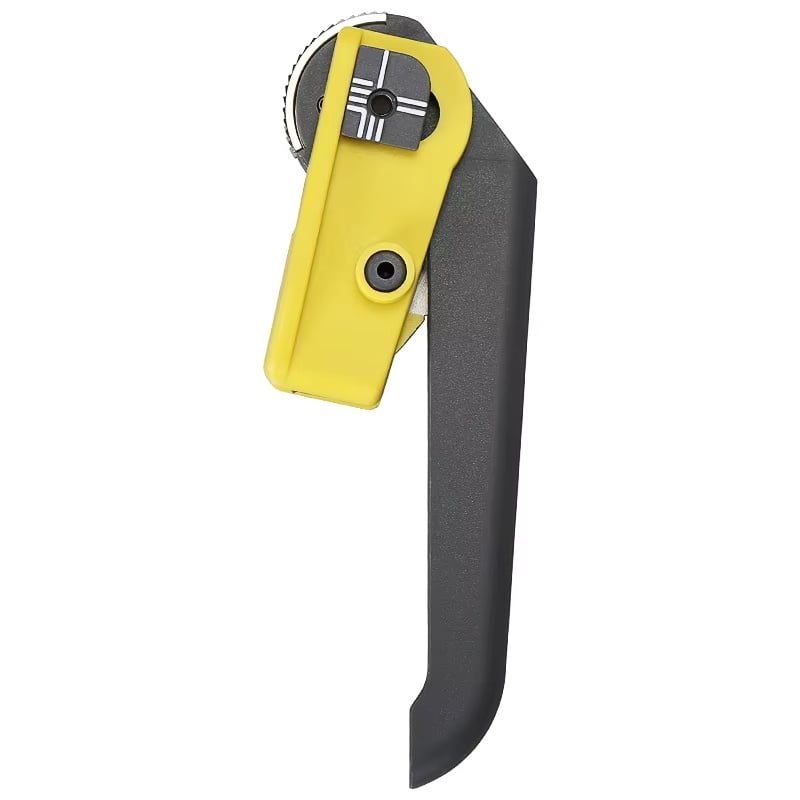
Fiber optic cable processing demands precision at every stage, and one of the most critical moments occurs during the stripping phase. When technicians use a standard cable opener or inadequate tools, microscopic damage to the fiber core can result in signal loss, network failures, and costly equipment replacement. Understanding how a precision cable opener prevents fiber damage is essential for anyone responsible for cable installation, maintenance, or network infrastructure. This article explores the mechanical principles, design features, and operational techniques that make a quality cable opener indispensable for protecting valuable fiber optic investments.
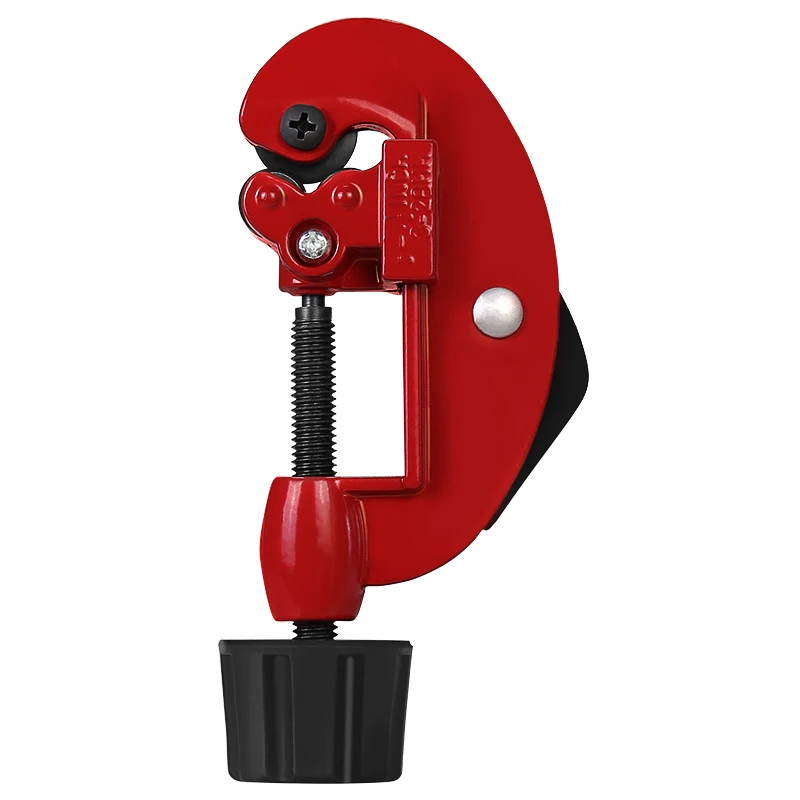
The fiber optic industry depends on maintaining signal integrity throughout the entire installation workflow. A precision cable opener serves as a gatekeeping tool that prevents damage before it compounds into system-wide problems. By controlling how much force is applied, where that force is directed, and how cleanly the outer jacket separates from inner components, a cable opener directly influences the success rate of fiber connections and the long-term reliability of network performance.
How Precision Design Controls Cutting Force Distribution
Calibrated Blade Geometry and Material Science
A precision cable opener relies on carefully engineered blade geometry to distribute cutting force evenly across the cable jacket without transferring pressure to the sensitive fiber strands underneath. The blade shape, angle, and material composition determine whether a cable opener cleanly separates outer layers or creates microfractures in the fiber itself. Industrial-grade cable openers use hardened stainless steel or specialized alloy blades that maintain their edge through hundreds of cuts, ensuring consistent performance across production runs. The curve and depth of the blade channel must be calibrated to match standard fiber optic cable dimensions, allowing the cable opener to grip securely while leaving a precise margin of safety between the cutting edge and the core.
Depth Control Mechanisms in Modern Cable Openers
Modern cable opener designs incorporate adjustable depth stops or spring-loaded mechanisms that prevent over-penetration into the cable structure. This depth control feature is what fundamentally distinguishes a precision cable opener from a basic cutting tool. By limiting how far the blade can travel into the cable, a cable opener ensures that only the outer jacket and buffer layers are removed, leaving the protective strength members and fiber cladding completely untouched. Some cable opener models include visual indicators or tactile feedback mechanisms that signal when the correct depth has been reached, reducing operator error and improving consistency across different team members and shifts.
Mechanical Grip and Rotational Stability During Stripping
Cable Anchoring Systems in Quality Cable Openers
A precision cable opener must hold the cable absolutely stationary during the stripping motion, preventing any rotation, twisting, or lateral movement that could cause the blade to slip sideways and damage the fiber. Professional-grade cable opener models feature precision-engineered clamps with soft rubber or polymeric gripping surfaces that apply even pressure around the entire cable circumference. This grip design protects the cable jacket from compression marks while securing it firmly enough that manual force alone cannot dislodge the cable during operation. The cable opener's anchoring system also determines the minimum and maximum cable diameters it can safely process, so selecting the right cable opener for your specific cable types is a critical part of preventing damage.
Blade Travel Path and Rotational Consistency
When a technician rotates the cable opener around the cable shaft, the blade must travel in a perfectly circular path that maintains consistent depth throughout the full revolution. Any deviation in the blade's travel path, such as binding, stuttering, or wobbling, indicates a cable opener that is not properly calibrated or has internal wear. A precision cable opener produces a smooth, continuous cutting sensation with minimal resistance and uniform pressure feedback. This mechanical consistency means that the fiber inside remains protected throughout the entire 360-degree stripping process, preventing the uneven jacket removal that could leave sharp edges or fiber exposure on one side of the cable.
Operator Technique and Cable Opener Safety Protocols
Manual Control and Pressure Modulation
Even the most sophisticated cable opener depends on proper operator technique to prevent fiber damage. Technicians must apply steady, moderate pressure while rotating the cable opener around the cable circumference, avoiding aggressive forcing or sudden acceleration that can cause the blade to skip or dig deeper than intended. A quality cable opener provides ergonomic feedback through its handle design, allowing experienced technicians to sense when the blade has completed its cut through the jacket and begun approaching the buffer layer. Proper technique involves multiple light passes rather than attempting to strip the entire jacket in a single aggressive rotation, distributing the cutting load and maintaining consistent depth control throughout the cable opener's operation.
Cable Opener Selection by Cable Type and Diameter
Different fiber optic cables require different cable opener specifications. Single-mode cables, multi-mode cables, and loose tube cables have varying jacket thicknesses, material compositions, and internal layer arrangements. A precision cable opener must be selected or adjusted specifically for the cable type being processed. Using an incorrectly sized cable opener, such as applying a tool designed for larger cables to a smaller diameter cable, causes excessive blade depth relative to the cable jacket thickness, inevitably damaging the inner fiber or strength members. Investing in multiple cable opener variants or selecting an adjustable cable opener model that accepts different blade cartridges ensures that your team can process any standard cable type safely and effectively.
Industry Standards and Cable Opener Compliance
Meeting Installation Specification Requirements
Telecommunications standards such as TIA/EIA and IEC specify exact procedures and tool requirements for fiber optic cable termination and stripping. These standards mandate that cable opener tools must remove outer jacket and buffer layers without causing micro-fractures, stress marks, or any visible damage to the fiber surface. Compliance-certified cable opener tools undergo rigorous testing to prove they can consistently strip cables according to these standards across thousands of repetitions. Organizations that perform cable installation under service level agreements or warranty obligations must use standards-compliant cable openers to validate their work and avoid liability for premature cable failures.
Quality Control and Cable Opener Maintenance Programs
Maintaining a precision cable opener requires regular inspection, cleaning, and blade replacement cycles. A cable opener with dull blades produces rough cuts and increased friction, which can generate heat and stress within the cable jacket that propagates inward toward the fiber. Establishing a preventive maintenance schedule ensures that cable opener blades remain sharp, clamps remain clean and functional, and depth controls remain calibrated. Many organizations implement batch testing protocols where sample cables are stripped with the cable opener and then inspected under magnification to detect any degradation in cutting performance before quality suffers or fiber damage occurs.
FAQ
What is the most common cause of fiber damage when using a cable opener?
The most common cause of fiber damage during stripping is excessive blade depth penetration. When a cable opener cuts too deeply into the cable structure, it can nick the fiber cladding, buffer layer, or strength members, creating stress points where the fiber can fracture during subsequent handling or connection. This damage is often invisible to the naked eye but causes signal degradation and eventual fiber failure. Selecting the correct cable opener for your cable type and applying consistent, moderate pressure during operation minimizes this risk.
How often should a precision cable opener be serviced or replaced?
A cable opener should be inspected and cleaned after every 50 to 100 cable strips, depending on cable jacket material and environmental conditions. The blade should be replaced or sharpened every 500 to 1000 cuts, or whenever visual inspection reveals dull edges or rough cutting marks on test cables. High-volume cable processing environments may require more frequent service cycles. Establishing a documented maintenance schedule for your cable opener ensures consistent quality and prevents the gradual performance degradation that leads to fiber damage.
Can a cable opener be used on all types of fiber optic cables?
Not all cable openers are suitable for all cable types. A cable opener designed for standard 3mm loose tube cables may not work properly on armored cables, ribbon cables, or tight-buffered single-fiber cables. Each cable type has different jacket thickness, material composition, and internal layer arrangement that require a cable opener with appropriate blade geometry and depth calibration. Always verify that your cable opener is rated for the specific cable sizes and types in your installation inventory, and consider purchasing adjustable cable opener models or multiple tool variants to ensure compatibility across your cable processing operations.