 EN
EN
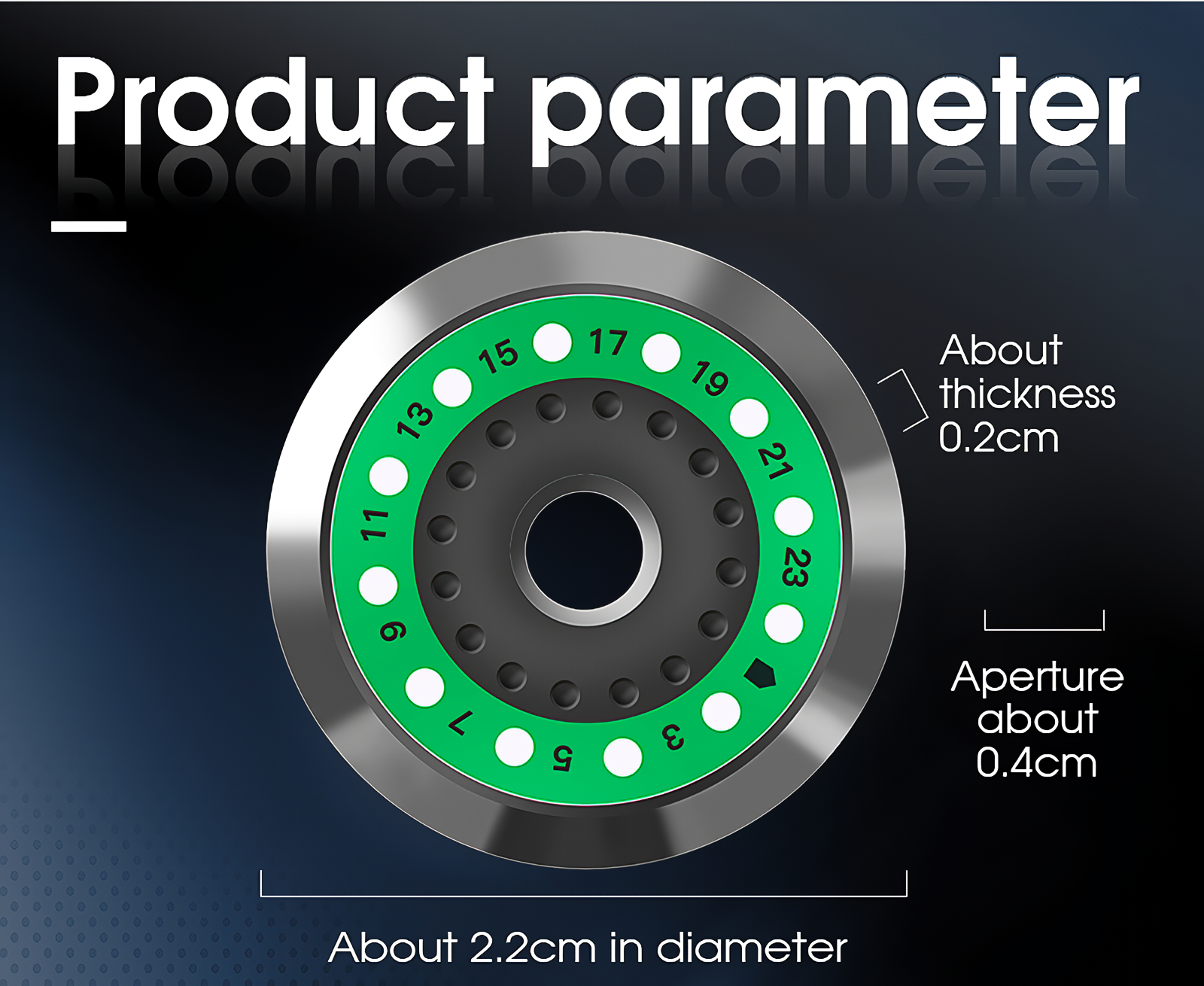
An adjustable-depth cable opener is a specialized tool designed to strip and expose fiber optic cables while maintaining precision control over cutting depth. The question of whether an adjustable-depth cable opener can handle multiple jacket types is critical for professionals working with diverse cable installations. Modern cable opener technology has evolved significantly to accommodate various cable constructions, from standard single-jacket designs to complex multi-layer protective systems. Understanding the capabilities and limitations of your cable opener directly impacts work quality, efficiency, and cable integrity.
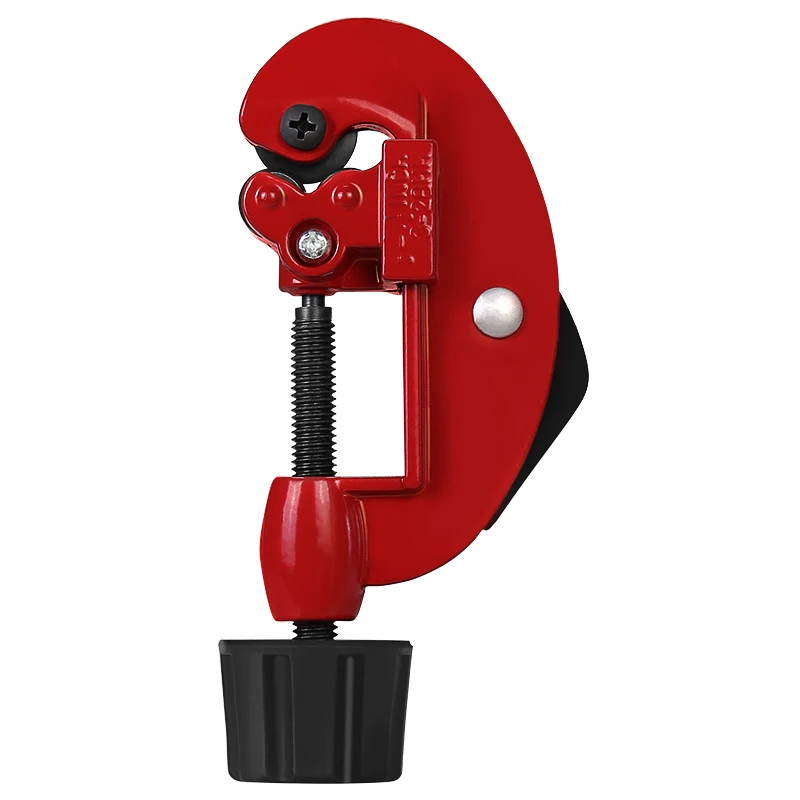
The versatility of an adjustable-depth cable opener depends on its mechanical design, blade precision, and depth adjustment mechanism. Professional-grade cable opener models feature graduated depth settings that allow technicians to customize cut depth based on jacket thickness and material composition. This adaptability makes a quality cable opener invaluable across multiple installation scenarios, from telecommunications to industrial networking environments.
Understanding Adjustable-Depth Cable Opener Mechanics
How Depth Adjustment Works in Cable Openers
An adjustable-depth cable opener uses a calibrated mechanical system to control how far the blade penetrates into the cable jacket. The depth adjustment typically consists of a sliding guide or rotational collar that positions the blade at precise intervals. Each position on the cable opener corresponds to a specific cutting depth, usually measured in millimeters. This precision ensures that whether you are working with thin polyethylene jackets or thicker aramid-reinforced sleeves, the cable opener delivers consistent results without damaging the underlying conductor or buffer layers.
Blade Design and Material Compatibility
The blade configuration of a cable opener directly determines its capacity to handle multiple jacket types. High-quality cable opener tools employ sharp, beveled blades made from hardened stainless steel or specialized alloys that maintain edge retention across diverse materials. Different jacket compositions, including PVC, polyethylene, Teflon, and aramid fiber wraps, require the cable opener blade to maintain consistent cutting pressure and angle. The blade geometry also affects whether the cable opener can cleanly separate jackets without creating micro-fractures that compromise cable performance.
Handling Different Jacket Types with Cable Openers
Single and Multi-Jacket Cable Configurations
Most fiber optic cables feature at least a primary protective jacket, and many include secondary protective layers. An adjustable-depth cable opener excels when working with single-jacket cables where a fixed depth setting suffices. However, multi-jacket cables require a different approach with the cable opener. Technicians must make multiple passes, adjusting the cable opener depth between each pass to progressively remove outer jackets without exposing inner layers prematurely. The ability to adjust depth on your cable opener allows systematic removal of each layer while maintaining cable integrity and maintaining protection of sensitive internal components.
Material-Specific Stripping Considerations
Different jacket materials respond uniquely to the cable opener blade. Rigid jackets made from PVC or polyethylene require firm, direct cutting pressure from the cable opener, while softer materials like Teflon demand lighter touch and slower rotation to prevent tearing. Armor-grade jackets containing steel or aramid fiber necessitate additional force and potentially multiple passes with the cable opener. The adjustable-depth feature proves essential here, allowing you to set the cable opener to engage only the outer armor layer initially, then reduce depth for softer underlying materials. Understanding your specific cable jacket composition before using the cable opener ensures you select appropriate depth settings and cutting technique.
Practical Performance Factors for Cable Openers
Precision, Speed, and Operator Technique
The effectiveness of an adjustable-depth cable opener depends equally on tool quality and operator skill. Even the best cable opener yields poor results without proper technique and adequate training. Consistent hand pressure, appropriate rotational speed, and steady cable positioning all influence how well the cable opener performs across different jacket types. Professional technicians develop intuition about which depth setting their cable opener requires for specific cable constructions, often based on visual inspection and prior experience. This combination of tool capability and expertise maximizes the cable opener utility across diverse applications.
Calibration and Maintenance of Cable Opener Tools
Regular maintenance directly impacts whether your cable opener maintains consistent performance with multiple jacket types. Blade sharpness degrades with use, forcing the cable opener operator to apply excessive pressure to achieve clean cuts. Dull cable opener blades create ragged edges and risk damaging internal components. Depth adjustment mechanisms can accumulate fiber debris and lose precision if not cleaned regularly. Periodic calibration of your cable opener depth settings ensures the marked measurements remain accurate. Storing the cable opener in protective cases prevents blade damage and preserves mechanical accuracy essential for handling varied jacket compositions effectively.
FAQ
Can a cable opener work on aramid-reinforced jackets?
Yes, an adjustable-depth cable opener can handle aramid-reinforced jackets when equipped with appropriate blade material and hardness. The cable opener should be set to engage only the outer armor layer initially, then reduced depth for subsequent passes through softer layers. High-quality cable opener tools with tungsten carbide or similarly hard blades perform best on reinforced materials. Technicians should apply steady, controlled pressure through the cable opener rather than forcing it, which prevents blade damage and maintains precision cuts through tough materials.
What depth range should a cable opener provide?
A professional-grade cable opener typically offers depth adjustment ranging from 0.5mm to 3.0mm or broader, accommodating standard fiber optic cables from 2mm to 6mm diameter. The cable opener should include multiple fixed positions or continuous adjustment within this range. Verify your cable opener specifications against your most commonly used cable sizes to ensure adequate coverage. Some specialized cable opener models extend depth ranges to handle larger diameter cables or unusual jacket thicknesses in industrial applications.
How many passes should a cable opener typically require?
Single-jacket cables usually require only one pass with a properly configured cable opener set to the correct depth. Multi-jacket cables may require two to four passes, with the cable opener depth adjusted between each pass to progressively remove layers. The cable opener depth and jacket material determine pass count, not a fixed rule. Technicians should assess their cable opener results after each pass and adjust depth if necessary to avoid exposing sensitive internal components prematurely.