
 EN
EN
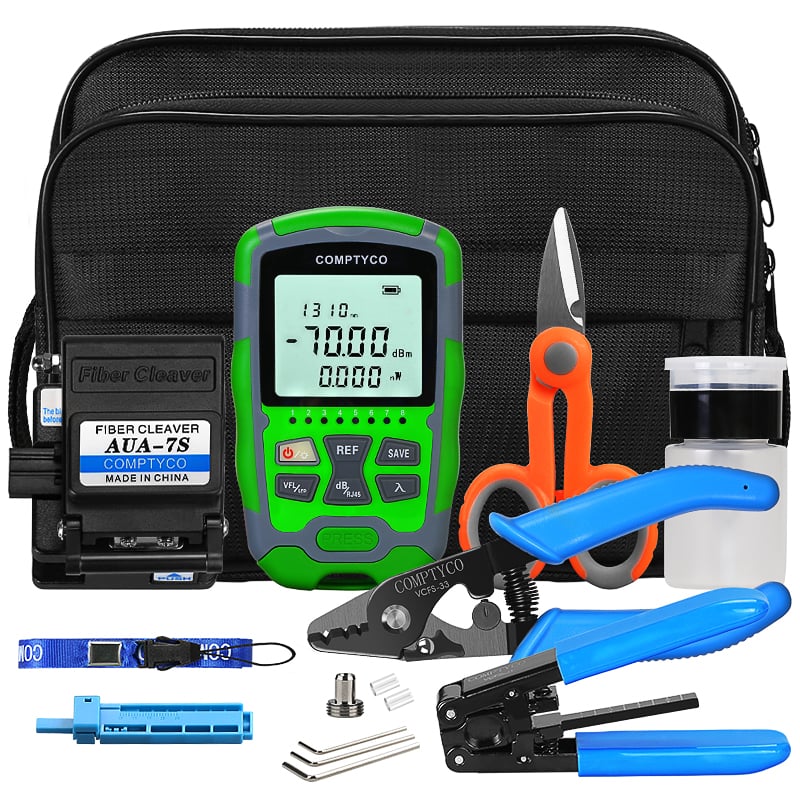
A fiber tool kit represents a significant investment in your fiber optic infrastructure capabilities. The tools within your fiber tool kit are precision instruments designed to handle delicate fiber optic cable termination, testing, and maintenance tasks. Without proper organization and care, even the highest quality fiber tool kit can deteriorate quickly, leading to measurement errors, damaged connections, and costly downtime on your jobsite.
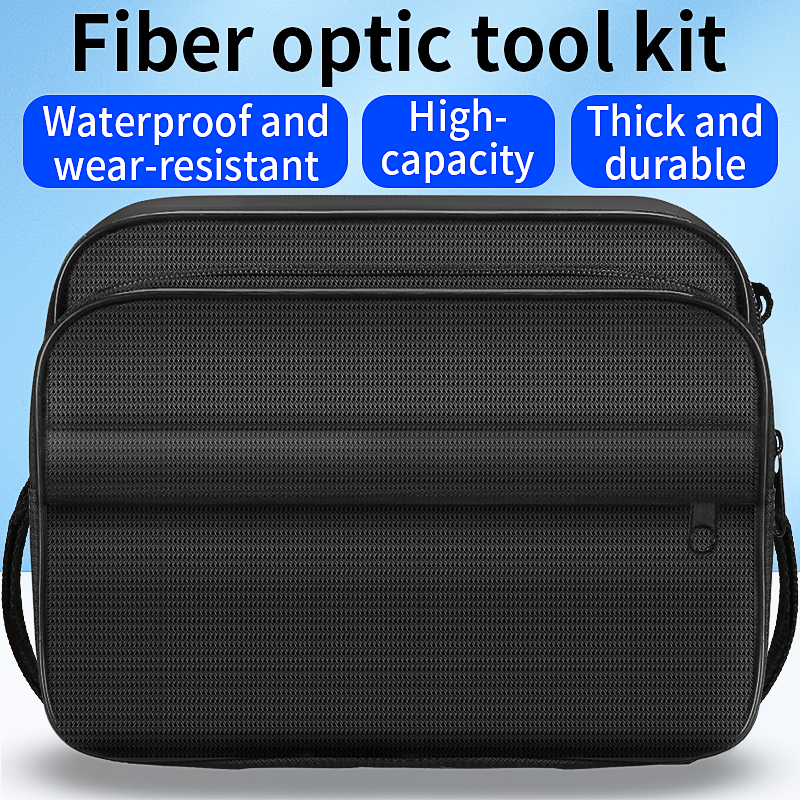
Managing your fiber tool kit effectively means understanding how each component serves a specific function in the fiber optic installation process. When your fiber tool kit is organized logically and maintained consistently, you reduce setup time at job sites, minimize lost tools, and ensure that every instrument performs at specification. This guide explores the critical practices for organizing and caring for your fiber tool kit to maximize its operational life and maintain installation quality.
Understanding Your Fiber Tool Kit Components
Essential Tools in Your Fiber Tool Kit
Your fiber tool kit typically contains several core instruments, each serving distinct functions in fiber optic work. A fiber tool kit usually includes a fiber cleaver for precise cable cuts, a stripper for removing coating layers, and cleaning tools to eliminate contaminants. Many modern fiber tool kit models incorporate a visual fault locator to identify cable damage and a power meter to measure signal strength. Understanding which tools belong in your fiber tool kit and their primary purposes is the foundation of effective organization.
Storage Requirements for Your Fiber Tool Kit
The environment where you store your fiber tool kit significantly impacts tool longevity and measurement accuracy. Your fiber tool kit should be stored in a climate-controlled space away from direct sunlight, extreme heat, and high humidity. Many professionals use dedicated carrying cases specifically designed for fiber tool kit storage, which protect instruments from dust, moisture, and accidental damage. A proper storage solution for your fiber tool kit ensures tools remain calibrated and ready for deployment whenever needed on your next fiber optic project.
Best Practices for Organizing Your Fiber Tool Kit
Creating a Logical Organization System
Effective organization of your fiber tool kit begins with assigning each tool a dedicated space within your carrying case or storage cabinet. Consider grouping tools within your fiber tool kit by function: precision instruments like the cleaver in one section, testing equipment like the power meter in another, and consumables such as cleaning materials in a third section. This systematic approach to your fiber tool kit reduces the time spent searching for specific tools and minimizes the risk of misplacing critical instruments. Label each compartment clearly so any team member can quickly identify the correct location for tools in your fiber tool kit.
Inventory Management and Tracking
Maintaining an accurate inventory of your fiber tool kit components is essential for operational efficiency and cost control. Create a detailed checklist documenting every item that belongs in your fiber tool kit, including tools, adapters, connectors, and consumables. After each job, verify that all items are accounted for and returned to their designated locations in your fiber tool kit. This disciplined approach to your fiber tool kit inventory prevents tool loss, ensures you have all necessary items before leaving for a job site, and helps identify when tools need replacement or repair.
Maintenance and Care Protocols for Your Fiber Tool Kit
Regular Cleaning and Inspection Procedures
Proper maintenance of your fiber tool kit begins with regular cleaning and visual inspection of all components. Before storing your fiber tool kit after each use, gently clean each tool with a soft, lint-free cloth to remove dust, dirt, and fiber residue. Inspect cutting surfaces, alignment components, and measurement sensors within your fiber tool kit for signs of wear or damage. Pay special attention to the cleaver blade and optical surfaces in your fiber tool kit, as these precision elements are critical to installation quality. Replace any fiber tool kit components showing visible damage, corrosion, or performance degradation immediately to maintain system reliability.
Calibration and Testing Requirements
Testing equipment within your fiber tool kit, particularly the power meter and visual fault locator, requires periodic calibration to ensure measurement accuracy. Consult the manufacturer's specifications for your fiber tool kit to determine calibration intervals, typically ranging from six months to annually depending on usage frequency. Keep detailed records of all maintenance activities, repairs, and calibrations performed on your fiber tool kit to track performance trends and identify recurring issues. When your fiber tool kit testing instruments show drift or inconsistent readings, schedule professional calibration immediately rather than relying on potentially inaccurate measurements for critical fiber optic installations.
Consumable Replacement and Restocking
Items within your fiber tool kit such as cleaning wipes, alcohol pads, and protective covers wear out through regular use and require consistent restocking. Establish a restocking schedule for your fiber tool kit consumables based on your project volume and usage patterns. Keep backup supplies of critical consumables for your fiber tool kit on hand to avoid delays when supplies run unexpectedly low. Monitor expiration dates on chemical cleaners and solvents used with your fiber tool kit, as degraded cleaning agents can leave residue that compromises fiber connections and reduces light transmission efficiency.
FAQ
What should I do if a tool in my fiber tool kit becomes damaged?
If any tool in your fiber tool kit sustains damage, remove it from service immediately to prevent measurement errors or poor installation quality. Contact the manufacturer or authorized service center to determine whether the damaged fiber tool kit component can be repaired or should be replaced. Do not attempt to repair precision instruments yourself, as improper repairs can compromise calibration and accuracy. Maintain warranty documentation for your fiber tool kit and follow proper procedures to ensure replacement or repair coverage applies.
How frequently should I perform maintenance on my fiber tool kit?
The frequency of maintenance for your fiber tool kit depends on usage intensity and environmental conditions. For active field crews, a weekly inspection and cleaning of your fiber tool kit is recommended after each day of use. Testing equipment in your fiber tool kit should undergo formal calibration every six to twelve months, depending on manufacturer specifications and regulatory requirements in your industry. Even if your fiber tool kit sits idle for extended periods, perform inspection and basic maintenance quarterly to identify any storage-related degradation.
Can I transport my fiber tool kit safely in a regular toolbox?
A regular toolbox does not provide adequate protection for the specialized instruments in your fiber tool kit. Standard toolboxes lack the precision compartmentalization and shock absorption needed for delicate fiber optic equipment. Invest in a purpose-built carrying case designed specifically for fiber tool kit storage, which typically includes custom foam inserts, protective padding, and compartments sized for each instrument. A quality fiber tool kit case protects your investment, maintains calibration between uses, and ensures tools remain organized and accessible when you arrive at your next project location.