
 EN
EN
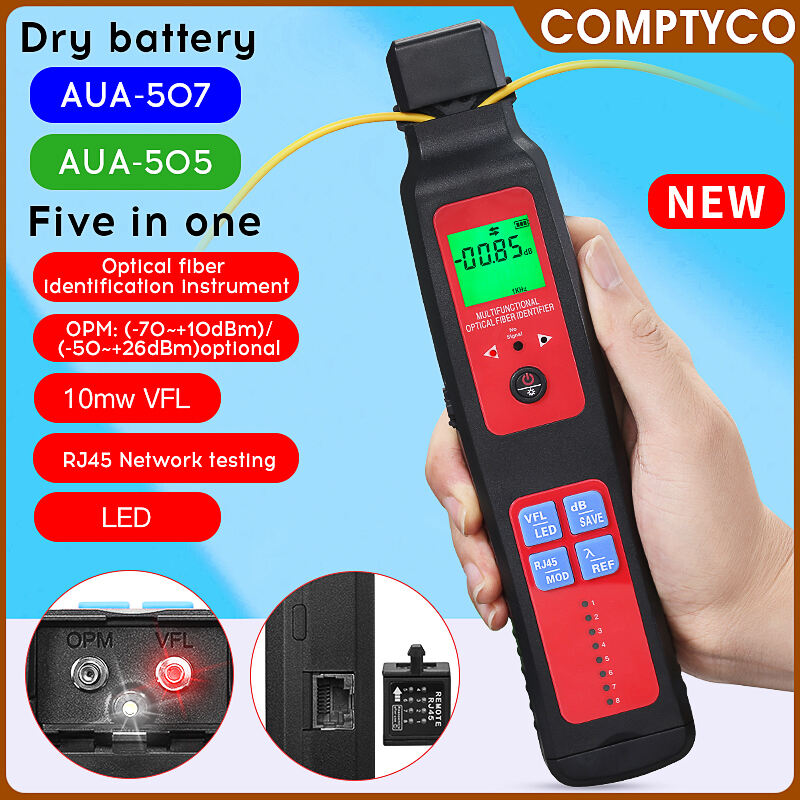
Yes, portable fiber optic identifiers are highly suitable for field technicians and have become essential tools in modern telecommunications work. These compact devices enable technicians to detect optical signals, verify fiber activity, and identify live fibers without requiring service interruption or complex setup procedures. The portability factor specifically addresses the mobility demands that field technicians face daily, allowing them to carry lightweight, battery-powered testing equipment to various job sites and network locations.
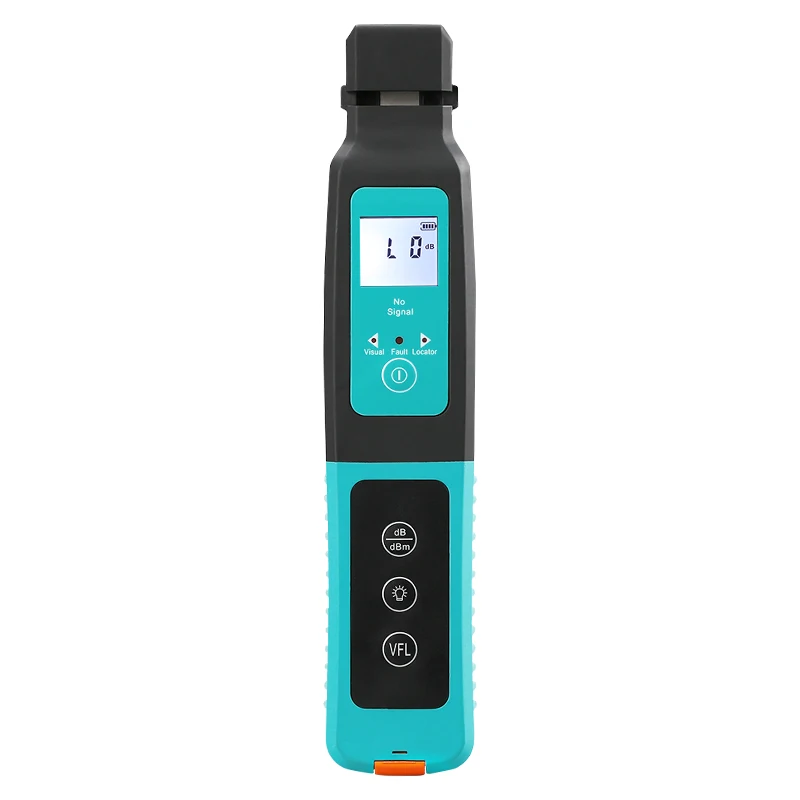
The suitability of a portable fiber optic identifier for field work depends on several critical factors including detection range, power source reliability, environmental durability, and ease of operation under varying field conditions. Modern portable units typically offer non-intrusive signal detection capabilities across multiple wavelengths, making them versatile enough to handle diverse fiber optic network configurations that field technicians encounter in telecommunications, data centers, and enterprise networking environments.
Technical Capabilities That Make Portable Fiber Optic Identifiers Field-Ready
Multi-Wavelength Detection Performance
Portable fiber optic identifiers designed for field use typically support detection across standard telecommunications wavelengths including 850nm, 1310nm, 1490nm, 1550nm, and 1625nm. This broad wavelength coverage ensures that field technicians can work with various fiber optic systems without carrying multiple specialized tools. The detection sensitivity of quality portable units often reaches -50dBm or better, enabling signal identification even in challenging network conditions where optical power levels may be attenuated.
Advanced portable models incorporate automatic wavelength recognition, eliminating the need for technicians to manually configure detection parameters in the field. This automation reduces testing time and minimizes the potential for user error during critical network maintenance operations. The ability to detect both continuous wave and modulated optical signals makes these devices versatile for identifying active data traffic, test signals, and various network monitoring applications.
Battery Life and Power Management
Field suitability heavily depends on reliable power management, and modern portable fiber optic identifiers typically offer 8-12 hours of continuous operation on rechargeable lithium-ion batteries. Many units feature automatic power-off functions to conserve battery life during periods of inactivity, extending operational time in remote field locations where charging opportunities may be limited. Some models include low battery indicators and USB charging capabilities, allowing technicians to maintain power using vehicle charging systems or portable power banks.
The power consumption optimization in portable units ensures that critical detection functions remain available throughout extended work shifts. Energy-efficient LED displays and selective activation of detection circuits help maximize battery performance without compromising measurement accuracy. Field technicians benefit from units that maintain consistent detection sensitivity even as battery voltage decreases, ensuring reliable performance throughout the entire charge cycle.
Environmental Durability and Protection
Field conditions often expose testing equipment to temperature variations, humidity, dust, and physical impacts that can compromise sensitive optical measurement devices. Quality portable fiber optic identifier units feature ruggedized housings with IP54 or higher protection ratings, providing resistance against dust ingress and water splashing that technicians commonly encounter in outdoor installations and underground facilities.
Temperature stability becomes crucial when technicians work in varying climate conditions, from cold outdoor environments to warm equipment rooms. Professional-grade portable units typically operate reliably across temperature ranges from -10°C to +50°C, maintaining measurement accuracy and display clarity throughout these conditions. Shock resistance and drop protection features help ensure that accidental impacts during field work do not damage internal optical components or calibration settings.
Operational Advantages for Field Technicians
Non-Intrusive Testing Methodology
The primary advantage of using a fiber optic identifier in field applications lies in its non-intrusive testing approach, which allows technicians to detect and analyze optical signals without disconnecting active fiber connections or interrupting network services. This capability proves invaluable during troubleshooting operations where service continuity must be maintained while identifying specific fiber paths or verifying signal presence across network segments.
Field technicians can clamp portable fiber optic identifiers around fiber cables through their protective jackets, eliminating the need for connector access or service disruption. This non-contact measurement method significantly reduces the risk of accidental disconnections, contamination of optical connectors, or introduction of signal losses that could impact network performance. The ability to test live fibers safely makes these tools essential for maintenance operations in active telecommunications networks.
Speed and Efficiency in Field Operations
Portable fiber optic identifiers enable rapid signal detection and fiber identification, allowing field technicians to complete testing procedures more efficiently than traditional methods requiring service interruption or complex setup procedures. Typical detection times range from 2-5 seconds per fiber, enabling technicians to quickly scan multiple fibers in cable bundles or patch panels to locate specific active connections.
The combination of audio and visual signal indicators in portable units allows technicians to identify fiber activity without constantly monitoring display screens, improving productivity during repetitive testing tasks. Many models include tone generation features that help with fiber tracing operations, allowing technicians to inject identification signals at one end of a fiber link and detect them at remote locations using the same portable device.
Integration with Visual Fault Locators
Many portable fiber optic identifier models integrate visual fault locator functionality, combining two essential field testing capabilities in a single compact device. This integration eliminates the need for technicians to carry separate tools for signal detection and fault location, reducing equipment weight and simplifying field kit management. The visual fault locator component typically generates red laser light that can identify breaks, bends, or connection problems in fiber optic cables.
The dual functionality proves particularly valuable during troubleshooting scenarios where technicians need to both identify active fibers and locate physical problems within fiber infrastructure. Integrated units often share common power sources and user interfaces, streamlining operation and reducing training requirements for field personnel. The ability to switch between detection and fault location modes using simple control interfaces enhances workflow efficiency during complex network maintenance procedures.
Practical Considerations for Field Deployment
Size and Weight Constraints
Field technicians must balance testing capability with equipment portability, making size and weight critical factors in fiber optic identifier selection. Professional portable units typically measure between 150-200mm in length and weigh 200-400 grams, fitting comfortably in tool bags or utility belt pouches without creating excessive bulk during climbing, crawling, or extended walking required in field installations.
The ergonomic design of portable fiber optic identifiers affects technician productivity during extended use periods. Units with balanced weight distribution, comfortable grip surfaces, and intuitive control placement reduce fatigue and improve accuracy during repetitive testing operations. Compact form factors enable single-handed operation, leaving technicians' other hand free for cable management, documentation, or safety support during field work.
Display Visibility and User Interface
Field environments often present challenging visibility conditions including bright sunlight, dim equipment rooms, and confined spaces where display readability becomes crucial for effective fiber optic identifier operation. Quality portable units feature high-contrast LCD displays with backlight capability, ensuring clear visibility across varying ambient light conditions that technicians encounter during field assignments.
Simplified user interfaces with minimal button configurations reduce complexity during field operations while maintaining access to essential functions including wavelength selection, detection sensitivity adjustment, and power management. Audio feedback capabilities complement visual displays, allowing technicians to identify signal presence through sound indication when visual monitoring becomes impractical due to working positions or environmental constraints.
Calibration and Maintenance Requirements
Field-suitable fiber optic identifiers require minimal maintenance and calibration procedures that can be performed without specialized laboratory equipment or extended downtime. Most portable units maintain factory calibration for 12-24 months under normal field use conditions, with some models offering user-accessible calibration verification procedures using built-in reference standards.
The reliability of measurement accuracy over time directly impacts the value of portable fiber optic identifiers for field technicians who depend on consistent performance across diverse network testing scenarios. Units designed for field deployment typically incorporate self-diagnostic features that alert users to potential calibration drift or component degradation, enabling proactive maintenance scheduling before measurement accuracy becomes compromised.
Application Scenarios and Use Cases
Telecommunications Network Maintenance
Field technicians working on telecommunications networks rely on portable fiber optic identifiers for routine maintenance operations including service verification, fault isolation, and network expansion projects. These devices enable rapid identification of active service fibers among large cable bundles, allowing technicians to perform maintenance work on spare or inactive fibers without disrupting customer services.
During network troubleshooting procedures, portable fiber optic identifiers help technicians trace signal paths through complex fiber infrastructure, identifying where optical signals are present or absent to isolate problem areas. The non-intrusive testing capability proves essential when working on live networks where service interruption costs can be significant and customer impact must be minimized during repair operations.
Data Center and Enterprise Installations
Data center environments present unique challenges for field technicians including high fiber density, frequent moves and changes, and critical uptime requirements that make portable fiber optic identifiers valuable tools for maintaining network documentation accuracy and performing safe maintenance procedures. These devices enable verification of fiber connections during server relocations, network upgrades, and capacity expansion projects.
Enterprise network installations often involve complex fiber routing through building infrastructure where portable fiber optic identifiers help technicians verify end-to-end connectivity and identify specific fiber paths during installation and commissioning procedures. The ability to detect low-power signals from network equipment helps confirm proper connections without requiring specialized test equipment or service interruption.
Construction and Installation Projects
New fiber optic installations require extensive testing and verification procedures where portable fiber optic identifiers provide essential capabilities for confirming proper connections, identifying installation errors, and documenting network configurations. Field technicians use these devices to verify that newly installed fibers carry expected signals and connect to intended destinations before network commissioning.
During construction projects involving existing fiber infrastructure, portable fiber optic identifiers help technicians identify and protect active fibers while performing excavation, building modifications, or infrastructure upgrades. The ability to quickly scan fiber cables for activity reduces the risk of accidental service disruption during construction operations near telecommunications facilities.
FAQ
How accurate are portable fiber optic identifiers compared to laboratory-grade equipment?
Portable fiber optic identifiers designed for field use typically provide detection accuracy within ±1dB compared to laboratory-grade instruments, which is sufficient for most field testing applications including signal presence verification and basic power level assessment. While they may not match the precision of benchtop analyzers, portable units offer adequate accuracy for troubleshooting, maintenance, and installation verification tasks that field technicians commonly perform.
Can portable fiber optic identifiers detect signals through fiber bundles or thick cable jackets?
Yes, quality portable fiber optic identifiers can detect optical signals through standard fiber cable jackets and some loose tube cable designs, though detection sensitivity may be reduced compared to direct contact with individual fiber coatings. The detection capability depends on cable construction, jacket thickness, and signal power levels, with most units effectively detecting signals through jackets up to 3-4mm thick under normal operating conditions.
What training is required for field technicians to use portable fiber optic identifiers effectively?
Basic operation of portable fiber optic identifiers typically requires 2-4 hours of training covering device controls, signal detection procedures, safety precautions, and interpretation of results. Most technicians with general fiber optic knowledge can become proficient with these devices quickly, though advanced features like tone generation or integrated fault location may require additional training depending on specific model capabilities and application requirements.
How do environmental conditions affect the performance of portable fiber optic identifiers in field applications?
Environmental factors including temperature extremes, humidity, and vibration can impact measurement accuracy and device reliability, though professional-grade portable fiber optic identifiers are designed to maintain performance across typical field conditions. Units with appropriate environmental ratings typically operate reliably in temperatures from -10°C to +50°C and relative humidity up to 85%, with some degradation in measurement sensitivity possible at extreme temperature ranges.
Table of Contents
- Technical Capabilities That Make Portable Fiber Optic Identifiers Field-Ready
- Operational Advantages for Field Technicians
- Practical Considerations for Field Deployment
- Application Scenarios and Use Cases
-
FAQ
- How accurate are portable fiber optic identifiers compared to laboratory-grade equipment?
- Can portable fiber optic identifiers detect signals through fiber bundles or thick cable jackets?
- What training is required for field technicians to use portable fiber optic identifiers effectively?
- How do environmental conditions affect the performance of portable fiber optic identifiers in field applications?