
Versatile Compatibility and Field-Ready Design
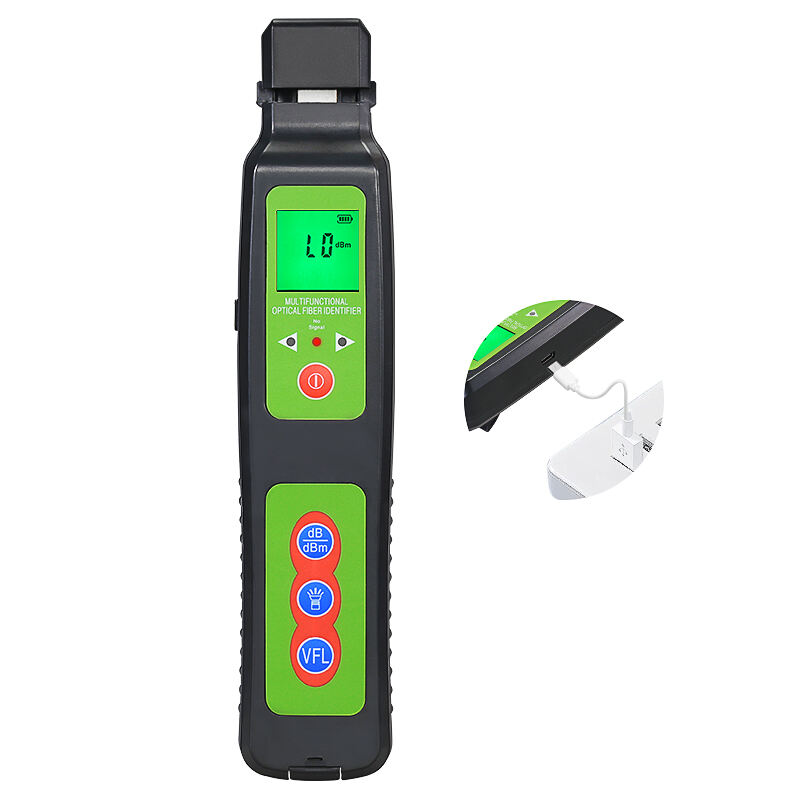
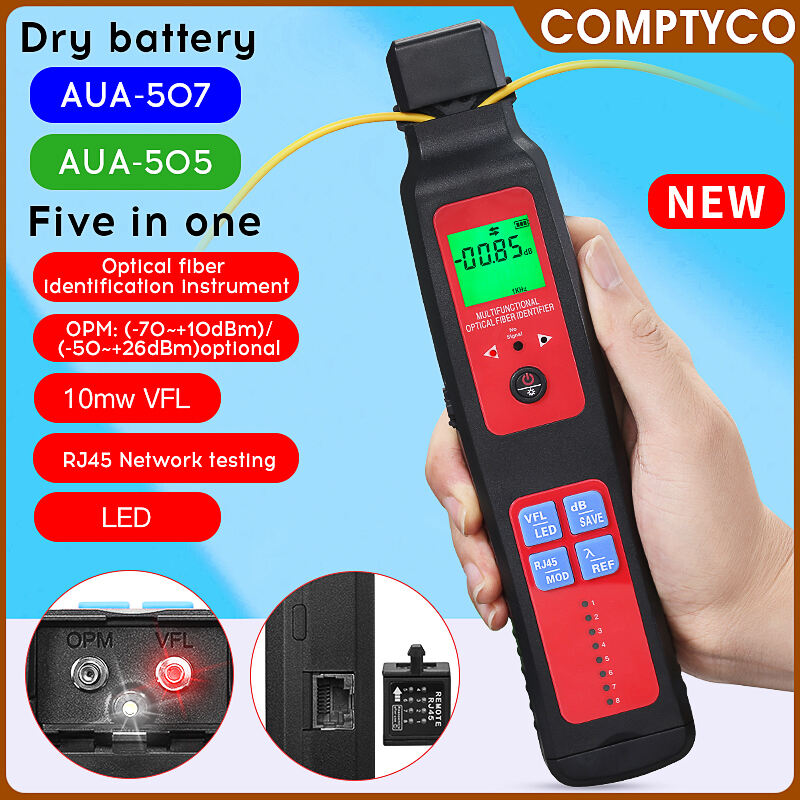
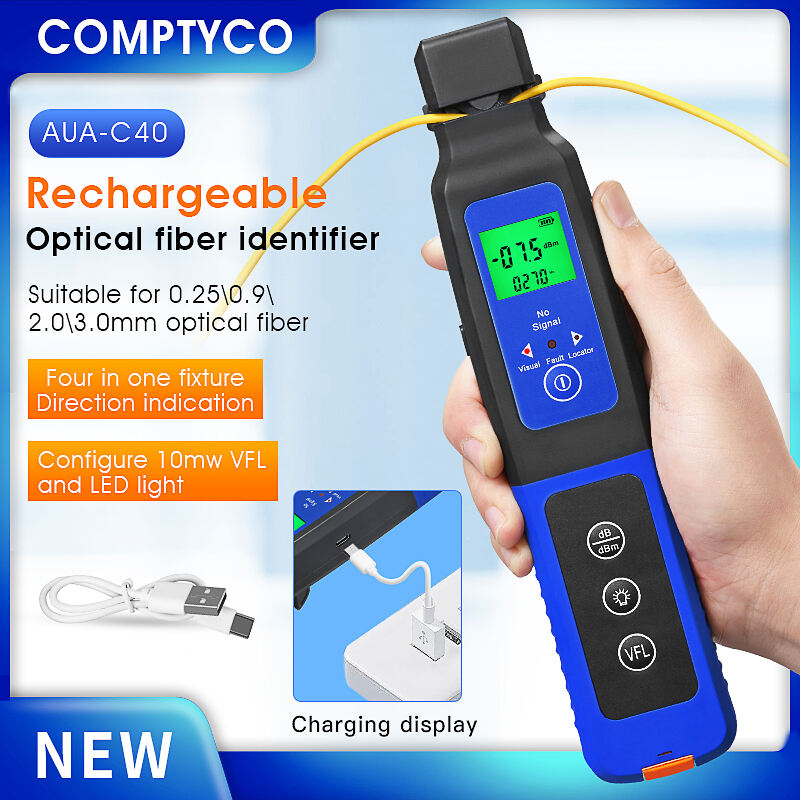
The live optical fiber identifier excels in its comprehensive compatibility with diverse fiber optic systems and robust field-ready construction that withstands demanding operational environments. Modern versions support both single-mode and multimode fiber types across various wavelengths, including the standard telecommunications wavelengths of 1310nm, 1490nm, and 1550nm commonly used in different network applications. This broad compatibility eliminates the need for multiple specialized tools, reducing equipment costs and simplifying technician toolkits. The device accommodates different cable diameters and jacket types, from standard 900-micron buffered fibers to larger outdoor cables with multiple protective layers. Professional-grade live optical fiber identifier units feature rugged housing designed to withstand drops, vibration, and exposure to moisture, dust, and temperature extremes encountered in field environments. The compact, lightweight design ensures easy portability while maintaining durability standards required for professional telecommunications work. Battery life optimization provides extended operation periods, typically allowing full-day use on a single charge, which proves essential for remote installations or extended maintenance projects where power access may be limited. Many models incorporate USB charging capabilities for convenient power management using standard mobile device chargers or vehicle power systems. The live optical fiber identifier's user interface prioritizes simplicity and clarity, featuring large, backlit displays visible in various lighting conditions and intuitive controls that minimize training requirements. Ergonomic considerations include comfortable grip surfaces and balanced weight distribution that reduces operator fatigue during extended use periods. Environmental sealing protects internal components from moisture and contaminants while maintaining reliable operation across temperature ranges typical of outdoor telecommunications infrastructure. The device's calibration stability ensures consistent performance over time without frequent recalibration requirements, reducing maintenance overhead and ensuring reliable results. Advanced models may include data logging capabilities that record detection results for documentation and compliance purposes, supporting quality assurance programs and regulatory requirements in critical infrastructure applications.