
 EN
EN
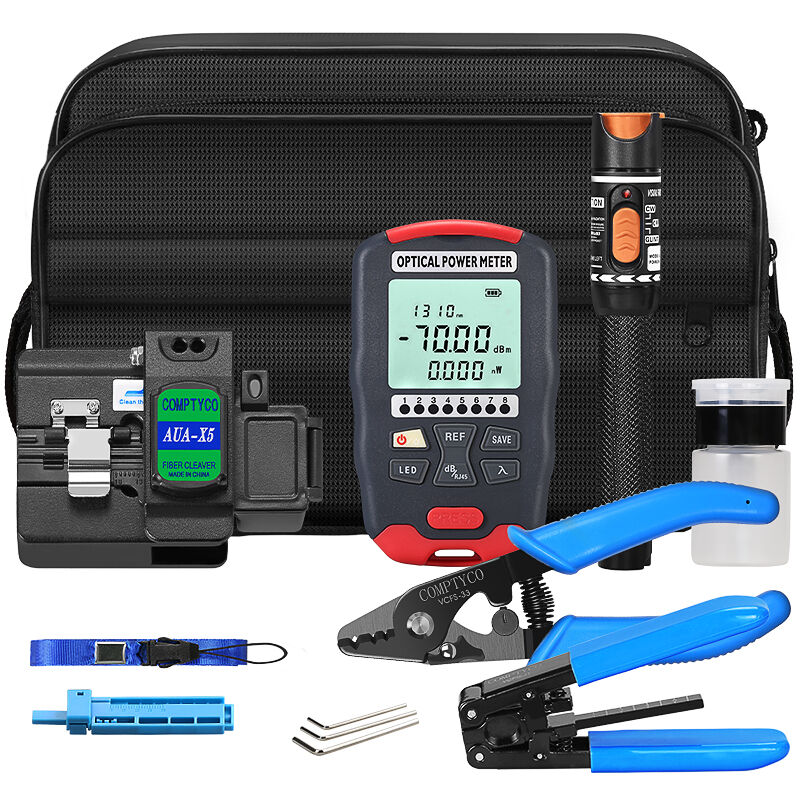
In fiber optic cable installation and maintenance, precision tool selection is one of the most critical factors separating clean, reliable work from damaged fibers and costly rework. A hot jacket remover is a specialized instrument designed to strip the outer protective jacket from fiber optic cables, loose tubes, and ribbon cables with a level of control that cold-strip tools simply cannot match. Understanding what this tool does and when it should be deployed is essential knowledge for any FTTH technician, fiber splicer, or network infrastructure engineer working with delicate optical media.
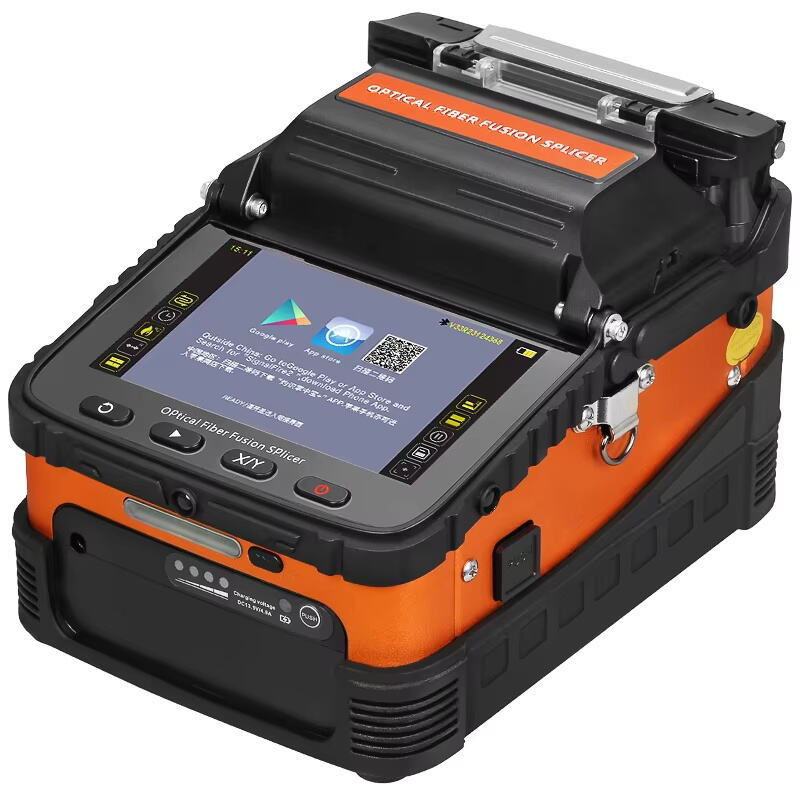
The term itself can sometimes cause confusion in the field because different manufacturers and technicians use overlapping terminology for cable stripping instruments. However, the hot jacket remover has a distinct functional profile: it applies controlled heat to soften rigid or semi-rigid jacket materials before or during the stripping process, allowing the outer sheath to be removed cleanly without mechanically stressing the fibers inside. This article defines the tool in full, explores its construction and operational logic, and provides clear guidance on the specific scenarios where its use is appropriate — and where alternative tools may serve better.
Defining the Hot Jacket Remover in the Fiber Optic Context
Core Function and Design Principles
A hot jacket remover is a thermal stripping tool built specifically for fiber optic cables, most commonly loose-tube constructions and ribbon fiber cables where the jacket material is dense, tightly adhered, or otherwise resistant to cold mechanical removal. The tool uses a calibrated heating element — typically embedded in the blade housing or jaw mechanism — to raise the local temperature of the jacket material just enough to reduce its mechanical resistance without transferring damaging heat to the optical fiber core inside.
Unlike general-purpose wire strippers or cold-blade fiber strippers, a hot jacket remover is engineered with fiber safety as the primary constraint. The temperatures involved are precisely controlled, usually in the range that softens polyethylene, PVC, or LSZH jacket compounds without approaching the glass transition temperature of the fiber itself. This distinction is what makes thermal stripping fundamentally different from brute-force mechanical removal for sensitive applications.
The physical design of a hot jacket remover typically features V-groove or precision-radius blade guides, an adjustable depth stop, and in professional-grade versions, a temperature control interface. Some models integrate the stripping and longitudinal slitting functions into a single platform, making them functionally similar to a 2-in-1 loose tube slitter and jacket removal tool. This integration is particularly valuable in FTTH deployment where workflow speed and cable integrity are both prioritized.
Materials It Is Designed to Handle
The hot jacket remover is designed for jacket materials that present resistance under cold-strip conditions. Stiff polyethylene outer sheaths, tightly extruded loose tube buffers, gel-filled cable jackets, and ribbon matrix materials all fall into this category. In cold temperatures or during work with aged cables where the jacket has hardened over time, these materials become even more difficult to strip mechanically without applying lateral force that can crack or stress-bend the optical fiber inside.
Ribbon fiber cables deserve special mention in this context. The flat matrix holding ribbon fibers in alignment is notoriously difficult to strip without introducing micro-bends if you rely solely on mechanical blade pressure. A well-calibrated hot jacket remover softens the matrix just enough that the stripping action releases cleanly without deforming the ribbon stack. This is a major reason why ribbon fiber termination workflows in high-density data centers and FTTH distribution points specify thermal stripping as a standard step.
How a Hot Jacket Remover Actually Works
The Thermal Softening Mechanism
The operational logic of a hot jacket remover centers on the thermoplastic behavior of common jacket materials. When a thermoplastic polymer is heated above its softening point but below its melting point, it transitions from a rigid solid to a pliable, low-resistance material. The heating element in a hot jacket remover brings the jacket surface to this transitional state rapidly and consistently, which is why preheating time is a specified parameter for professional tools.
Once the jacket material softens, the blade or stripping blade set is drawn along the cable axis. The reduced material resistance means the stripping force required is dramatically lower than cold-blade removal, which translates directly into reduced risk of the tool slipping, skipping, or applying uneven pressure to the fiber bundle beneath. This controlled, low-force removal is the principal safety mechanism that makes a hot jacket remover appropriate for precision fiber work.
After stripping, the fibers or loose tubes emerge with clean, undamaged end sections. For splicing applications, this is a non-negotiable requirement. Any contamination, stress marks, or micro-fractures introduced during jacket removal will propagate through cleaving and fusion splicing, resulting in elevated splice loss values that compromise the optical link budget of the entire installation segment.
Integration with Longitudinal Slitting and Multi-Function Tools
Modern field deployments increasingly favor multi-function stripping platforms that combine the hot jacket remover function with longitudinal slitting capability. A longitudinal slit — a controlled cut running parallel to the cable axis — allows the technician to open the jacket lengthwise before peeling it back, which is especially useful for mid-span access points and drop cable entries where circular stripping alone is insufficient. Tools that perform both functions simultaneously reduce handling steps and minimize the number of times a cable needs to be repositioned and re-secured.
The hot jacket remover category now includes professional 2-in-1 tools that handle both ribbon longitudinal slitting and loose tube stripping within the same instrument platform. These tools are widely specified for FTTH deployment kits because they address the two most common stripping scenarios — accessing ribbon fibers inside a loose tube and stripping individual fiber buffers — without requiring a tool change. For high-volume installation teams, this operational continuity has a measurable impact on daily throughput.
When You Should Use a Hot Jacket Remover
High-Density Ribbon Fiber Termination
The most clearly defined use case for a hot jacket remover is ribbon fiber termination in high-density environments. Mass fusion splicers that splice 12 or 24 fibers simultaneously require perfectly prepared ribbon stacks where the matrix has been removed without introducing any misalignment, stress, or surface contamination. A mechanical cold-strip approach in this context introduces inconsistency — some ribbon sections strip cleanly, others require additional force, and the variance accumulates into splice quality problems across a large batch.
Using a hot jacket remover standardizes the stripping force across every ribbon preparation because the thermal softening normalizes the material resistance regardless of minor variations in extrusion consistency along the cable length. This is particularly relevant when preparing ribbon fibers for mass fusion splicing inside optical distribution frames or splice closures during an FTTH rollout, where speed and consistency must coexist.
Cold-Environment Field Work and Aged Cable Maintenance
Environmental temperature significantly affects how jacket materials behave under mechanical stripping. At low ambient temperatures — which are common in outdoor fiber installation, aerial cable work, and underground vault access during winter months — polyethylene and similar jacket compounds become substantially stiffer and more brittle. Attempting cold-blade stripping under these conditions increases the probability of jacket fracture, irregular stripping edges, and most critically, unintended lateral stress on the fibers.
A hot jacket remover compensates directly for this problem by normalizing the jacket material temperature regardless of the ambient environment. The technician applies the tool, the heating element brings the jacket to its appropriate softening range, and the strip proceeds under controlled conditions identical to those achievable in a climate-controlled splicing van or workshop. This makes the hot jacket remover a critical piece of equipment for network maintenance contractors who work outdoors year-round.
Aged cables present a similar challenge. Cables that have been in service for many years often develop jacket compounds that have cross-linked or oxidized, making them harder and more resistant to mechanical removal than they were when originally installed. Restoration or upgrade work on legacy FTTH or long-haul fiber segments regularly requires a hot jacket remover to safely access fiber content that would be at risk under cold-strip methods.
Mid-Span Access and Drop Cable Preparation
Mid-span access is a specialized operation in which a technician must open a cable jacket partway along the cable run without severing the cable entirely. This operation is used for adding branch connections, inserting optical taps, or accessing individual tubes in a multi-tube cable. The geometry of mid-span access makes it one of the highest-risk stripping procedures because the blade must follow a controlled path while the underlying fibers remain under some degree of tension from the installed span.
In this context, a hot jacket remover with longitudinal slitting capability provides the most controlled removal path. The heat softens the jacket in a narrow zone around the intended slit line, the slit blade follows with minimal lateral force, and the jacket peels back cleanly to expose the desired tube section. Attempting this procedure with a cold slitter or utility blade significantly increases the risk of nicking a tube or transmitting a micro-bend event to an active fiber carrying live traffic.
Recognizing When a Hot Jacket Remover Is Not the Right Tool
Single Fiber and Tight-Buffer Applications
For standard single-fiber stripping of tight-buffer cables — the kind used in patch cord manufacturing, connector termination, or indoor distribution wiring — a conventional precision fiber stripper is generally more appropriate than a hot jacket remover. Tight-buffer fibers have a thin, precisely dimensioned coating that is designed to be stripped by cold mechanical blades using very specific blade geometry and gap settings. The thermal approach in this context can potentially over-soften the buffer layer and affect cleanliness, particularly for fusion splice or mechanical connector preparation.
The hot jacket remover is optimized for outer jacket and loose tube removal, not for the fine-tolerance stripping of individual fiber coatings. Understanding this distinction prevents technicians from over-applying the tool and ensures that the right stripping method is matched to each preparation step in the termination or splicing workflow.
Thin-Wall Microduct Cables
Certain next-generation FTTH cable constructions use extremely thin jacket profiles to minimize conduit space usage. These microduct-optimized designs are sometimes sensitive to heat exposure at the jacket surface because the thermal gradient from the heating element to the fiber content is compressed into a very short distance. For these cable types, manufacturers often specify cold-strip methods with purpose-designed blades rather than thermal stripping. Always consult the cable manufacturer's stripping specification before applying a hot jacket remover to an unfamiliar cable construction.
Selecting a Hot Jacket Remover for Professional Use
Key Technical Specifications to Evaluate
When evaluating a hot jacket remover for professional FTTH or fiber splicing deployment, the first technical parameter to examine is temperature control precision. A well-engineered tool will offer either a fixed optimized temperature calibrated for common jacket materials or an adjustable range that accommodates different polymer types. Tools without temperature control depend entirely on user timing, which introduces variability that is inconsistent with professional quality standards.
Cable diameter compatibility is the second critical specification. The stripping aperture and blade geometry of a hot jacket remover must match the cable construction you are working with. Tools designed for loose-tube cables in the 8mm to 14mm outer diameter range are not interchangeable with tools optimized for 1.6mm or 2mm drop cables without an adapter set. Investing in a multi-diameter platform or a cable-family-specific tool set prevents mismatch errors in the field.
Build Quality and Field Reliability
A professional-grade hot jacket remover must withstand the physical demands of field use: drops, temperature cycling, tool bag abrasion, and repeated daily use across installation seasons. The blade retention mechanism, heating element durability, and body material all contribute to long-term reliability. For team leads and procurement managers, evaluating tool longevity alongside initial cost is essential to understanding the true per-use cost of the equipment.
Blade replacement ease is also a practical consideration often overlooked during initial selection. Blades in a hot jacket remover do wear over time, particularly when used on hard jacket materials or high-volume ribbon preparation. A tool that supports easy, field-replaceable blade cartridges extends service life and reduces downtime during active deployment phases. This is a detail worth confirming with the tool supplier before making a volume procurement decision.
FAQ
What types of fiber optic cables are best suited for a hot jacket remover?
A hot jacket remover is best suited for loose-tube cables, ribbon fiber cables, and any construction where the outer jacket or tube material is rigid, gel-filled, or difficult to remove cleanly with cold mechanical blades. It is particularly well-matched to polyethylene and LSZH jacketed cables used in outdoor FTTH and backbone fiber installations.
Can a hot jacket remover damage optical fibers if used incorrectly?
Yes, improper use of a hot jacket remover can cause damage. If the temperature setting is too high, the heat can reach the fiber coating and degrade it. If the blade depth is set too deep, mechanical contact with fibers or loose tubes can occur. Proper calibration, correct blade depth setting, and adherence to the cable manufacturer's stripping specifications are essential to safe use.
Is a hot jacket remover the same as a standard fiber optic stripper?
No. A standard fiber optic stripper is a cold mechanical tool used primarily for stripping individual fiber coatings down to the bare glass for fusion splicing or connector termination. A hot jacket remover operates on a different scale — it addresses the outer jacket and loose tube layers of multi-fiber cable constructions using controlled heat to facilitate clean, low-force removal. The two tool types serve different steps in the preparation workflow.
How often should the blades on a hot jacket remover be replaced?
Blade replacement frequency for a hot jacket remover depends on the volume of cables processed and the hardness of the jacket materials being stripped. A general guideline for professional field use is to inspect blades after every project phase and replace them when the cut edge shows visible wear or when stripping quality — indicated by clean edges and consistent force — begins to degrade. Using a worn blade increases the risk of jacket tearing and uneven removal, which undermines the quality of the entire termination or splicing operation.